Electricity does not always announce itself with a crash or a blinding flash. Sometimes, inside the human brain, it arrives as a thief in the night. It scrambles thoughts, seizes control of limbs, and leaves a child staring at the ceiling, wondering where the last two minutes of their life went.
Epilepsy is an uninvited shadow. It lives in classrooms, at dinner tables, and inside the quiet panic of parents who check their sleeping children's breathing just one more time before closing their own eyes. Most people look away from that shadow because it makes them uncomfortable.
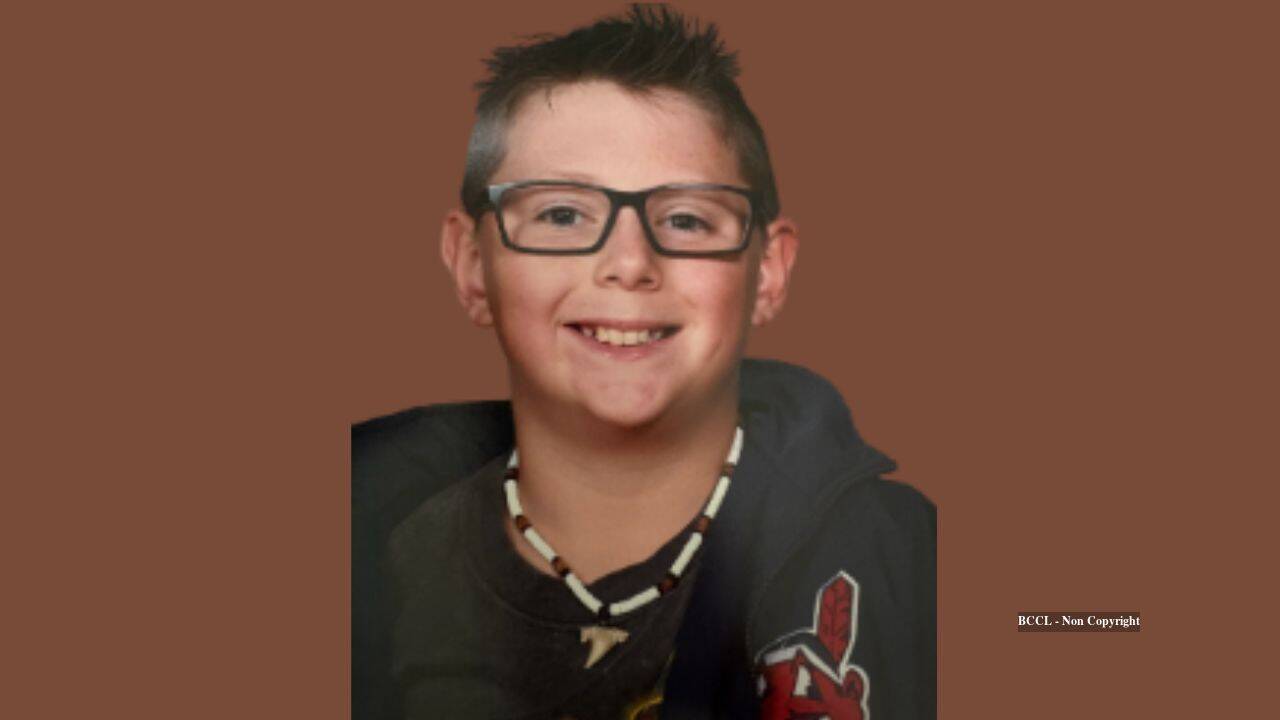
Thirteen-year-old Leo looked right at it.
He did not look with pity. He looked with engineering.
To understand what happened next, you have to understand the hum of a 3D printer at midnight. It is a rhythmic, hypnotic sound—a mechanical heartbeat spitting out thin, microscopic layers of molten plastic, one millimeter at a time. For months, that sound filled Leo’s bedroom. Spools of neon purple, stark white, and brilliant blue plastic lined his desk like paint tubes. He wasn't printing toys or miniature dragons. He was printing miniature brains.
Plastic brains. Keychains, structural models, and tactile anatomical trinkets designed to represent the exact organ where electrical misfirings turn normal afternoons into medical emergencies.
Leo’s school had invested in a 3D printer to modernize their curriculum. They wanted STEM credentials for the brochure. They wanted to check a box. But technology sitting in a school lab is just an expensive paperweight until someone with a pulse and a purpose picks up the stylus. Leo saw the machine not as a tool for school projects, but as a manufacturing floor for awareness.
Let us be clear about what an entrepreneur actually is at age thirteen. They are not chasing venture capital or drafting pitch decks for Silicon Valley boardrooms. They are trading sleep for focus. They are navigating the awkward friction of trying to convince adults that a middle schooler’s idea deserves funding.
Leo started small. He printed a prototype keychain shaped like a stylized brain, stamped with the international purple ribbon for epilepsy awareness. He brought it to school. His friends noticed. Then his teachers noticed. Then the local community started asking questions.
Why epilepsy?
Because statistics are bloodless things until they wear your best friend’s face. Millions of people worldwide live with seizures, navigating a world built for the neurotypical while carrying the constant, low-grade terror of an upcoming episode. People do not know what to do when someone drops to the floor. They panic. They crowd. They misinterpret a medical crisis for a spectacle.
Education is the antidote to panic. But traditional awareness campaigns are boring. They look like gray pamphlets printed on cheap paper, tossed into recycling bins before students even leave the auditorium.
Plastic tells a different story.
When you hand someone a heavy, textured, 3D-printed brain model, the conversation changes. They turn it over in their hands. They ask what the different lobes represent. They ask why the color purple matters. They listen.
Leo turned his bedroom into a micro-factory. He optimized print speeds. He calculated filament density to minimize waste. He figured out margin, cost per unit, and shipping logistics while other kids his age were figuring out video game patch notes. Every sale came with a mission: a significant portion of the proceeds went straight to epilepsy research and support organizations.
Consider the mechanics of scaling a business when your primary mode of transportation is a bicycle. Leo had to balance algebra homework with inventory management. He had to negotiate with school administrators for access to extra printing hours during lunch breaks. When the demand outpaced a single machine, he did not complain about supply chain bottlenecks; he calibrated a second printer, doubling his output and halving his sleep.
There is a profound humility in watching a teenager explain neurology to adults who have forgotten how to listen. When adults talk about health initiatives, they speak in acronyms and grant proposals. When Leo spoke, he held up a blue plastic brain and talked about safety, dignity, and understanding.
The market rewarded him, not because he was a novelty, but because his product carried undeniable emotional weight. People bought the keychains because they loved someone with epilepsy, or because they had experienced a seizure themselves and wanted the world to understand the invisible battle they fought every single day.
We often talk about innovation as something born in corporate labs by people in white coats holding clipboards. We look for disruption in software updates and artificial intelligence models. We forget that the most radical innovation happens when a kid with an open mind looks at a piece of school equipment and decides to use it to heal a community blind spot.
Technology does not have a moral compass of its own. A 3D printer can manufacture useless plastic trinkets that end up in landfills within a week, or it can manufacture empathy, one layer at a time.
Leo's business is still growing. The hum of the printers still fills his room at night, a steady, unyielding sound cutting through the dark. Somewhere out there, a keychain rests on a backpack zipper, sparking a conversation that might save a life, or at least change a mind. The plastic is durable. The message is permanent. And the machinery of change, once set in motion, refuses to stop.