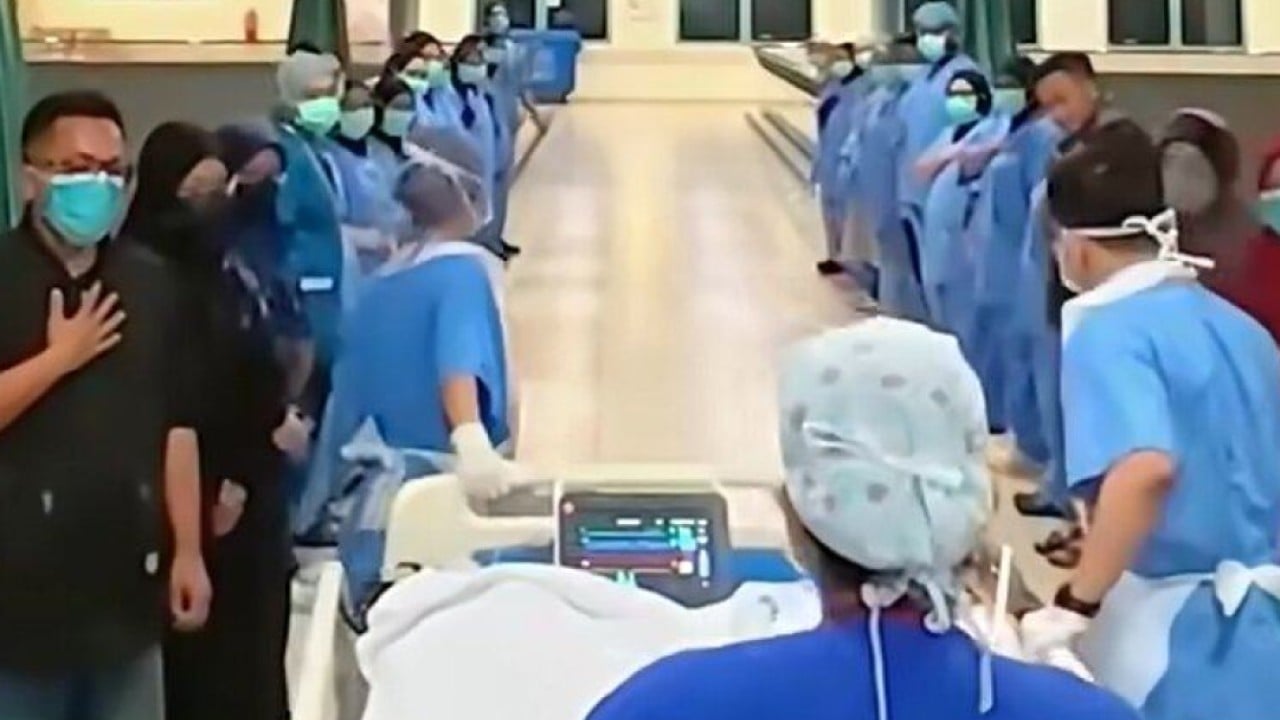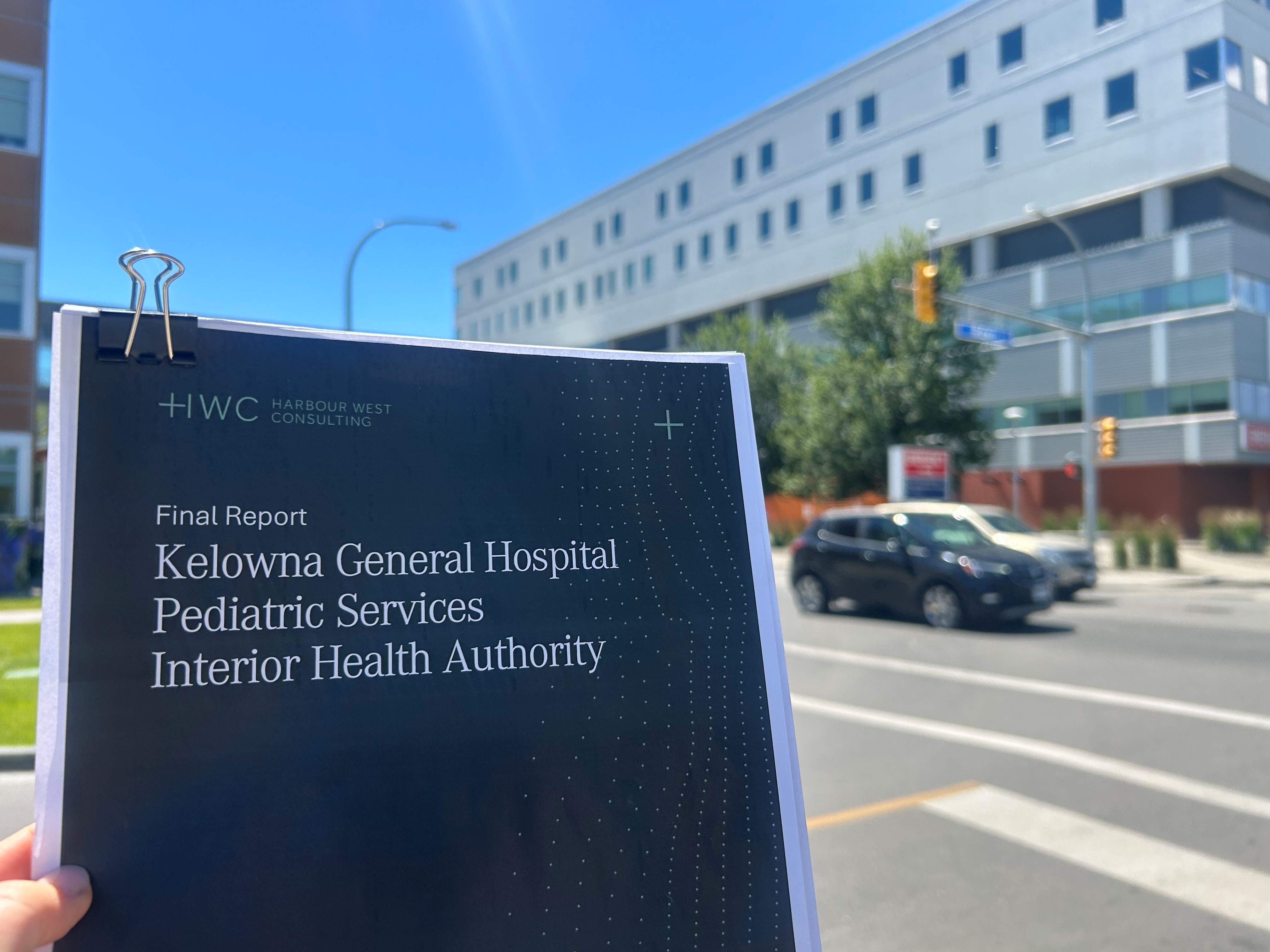
The fluorescent lights of a hospital corridor at three in the morning have a specific, unforgiving hum. It is a sound known intimately by every parent who has ever rocked a feverish child in a plastic chair, watching the minutes tick sideways. For years, inside the pediatric unit at Kelowna General Hospital, that hum accompanied a quiet, compounding pressure. The public rarely saw it. Medicine is an industry fueled by the quiet heroism of people who refuse to drop the ball, right up until the weight of the ball becomes physically impossible to bear.
An independent review finally laid bare what the staff had known for a decade. The crisis that unfolded was not a sudden accident. It was the predictable result of a slow, grinding erosion.
To understand how a premier regional hospital ends up in the headlines for a pediatric care breakdown, you have to look away from the grand administrative charts and look at a single, hypothetical room. Let us call the patient Leo. He is four years old, struggling for breath against a harsh winter respiratory virus. His mother sits on the edge of the mattress, listening to the erratic beep of the monitors. She notices the nurses are moving faster tonight. She notices the brief, taut exchanges at the nursing station. What she cannot see is the math happening behind those exhausted eyes. The nurse looking after Leo is also managing three other complex cases, balancing on a tightrope of clinical safety that has been stretched thin for months.
When the system works, it feels invisible. When it breaks, it breaks along the fault lines of human endurance.
The Slow Accumulation of Weight
Hospitals do not collapse overnight. They fray at the edges first. For years, the pediatric department in Kelowna absorbed the growth of a rapidly expanding region without a matching expansion of its core infrastructure. More families moved to the valley. More children needed specialized care. Yet the baseline resources stayed stubbornly fixed in place, anchored by budgets designed for a different era.
The independent review highlighted a chronic disconnect between the frontline reality and executive perception. While spreadsheets in distant offices showed a system meeting its bare minimum targets, the actual human beings on the floor were operating in a permanent state of triage.
Consider the mechanics of burnout. It does not hit like a lightning bolt. It accumulates like dust. It is the extra shift accepted out of guilt because a colleague is sick. It is the missed lunch break that becomes a regular habit. It is the constant, nagging anxiety that a critical detail might slip through the cracks simply because there are not enough minutes in an hour to give every child the focused attention they deserve. Doctors and nurses are trained to push past their limits. The problem is that the system began to treat those temporary limits as the new normal baseline.
The warning signs were there long before the official investigation was triggered. Physicians voiced concerns. Internal memos flagged the mounting strain. But a strange inertia often grips large institutional structures. Change requires momentum, and momentum is difficult to generate when everyone is consumed by the immediate task of keeping the doors open today.
When the Margins Evaporate
In any high-stakes environment, safety relies on margins. You need a buffer for the unexpected. A sudden spike in influenza cases, a multi-vehicle accident on the highway, a sudden shortage of specialized medications—these are the variables that test the resilience of a hospital.
But what happens when the buffer is already gone?
During the peak periods of the crisis, the pediatric unit was running at or above capacity before the seasonal surges even arrived. The review painted a stark picture of a department operating with zero margin for error. When a fresh wave of respiratory illnesses hit the community, the system did not just bend; it fractured. Wait times in the emergency department surged. Staff found themselves pulled in multiple directions, forced to make agonizing decisions about which urgent need took precedence over another.
The human cost of an evaporated margin is measured in sleepless nights and frayed trust. Parents who arrived at the hospital expecting a sanctuary of healing instead found a battleground where exhausted professionals were fighting to maintain order. The care remained deeply compassionate, but the delivery became fragmented. A mother waiting hours for a specialist to review her child's chart does not care about regional funding models. She cares about the fear tightening in her chest.
The crisis became an undeniable reality when the physicians themselves reached a breaking point, stepping forward collectively to declare that the status quo was no longer safe. It was an act of professional vulnerability. To admit that the system you serve is failing its most vulnerable patients is a heavy admission for any medical professional. It was a clear signal that the internal coping mechanisms had completely failed.
Moving Past the Diagnosis
An independent review is an autopsy of a system's failures. It names the errors, charts the missteps, and provides a map of how the institution arrived at the precipice. But a report cannot heal a department on its own.
The path forward requires a fundamental shift in how hospital capacity is measured and valued. True sustainability cannot be achieved by squeezing more efficiency out of an already depleted workforce. It requires structural investment. It requires listening to the voices on the ground before the alarm bells start ringing. The recommendations laid out in the review provide a framework for rebuilding, focusing on increased staffing levels, improved communication channels, and a more responsive leadership structure.
Rebuilding trust takes significantly longer than losing it. For the staff at Kelowna General Hospital, the publication of the review was both a validation of their long-standing struggles and a daunting reminder of the work ahead. The structural changes will not appear overnight. New nurses must be recruited and trained. New protocols must be integrated into daily routines.
Meanwhile, the doors remain open. The patients keep arriving.
The true test of the hospital’s recovery will not be found in the press releases or the implementation checklists. It will be found on a quiet Tuesday night, months from now, in a single pediatric room. It will be found in the ability of a nurse to sit with a frightened child for an extra five minutes, without the crushing weight of an impossible workload pulling them away. It will be found in the restored confidence of a community that relies on those walls for its survival.
The lights in the corridor will keep humming. The goal now is to ensure they illuminate a place of sustainable healing, rather than a monument to endurance.