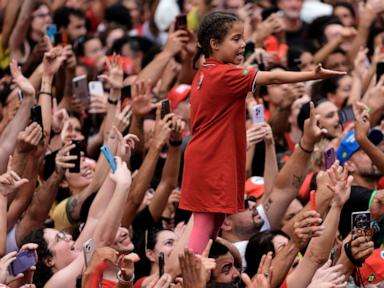
When voters across Brazil headed to the polls for the tense October 2026 presidential runoff, they weren't just deciding local tax policy or inflation targets. They were pulling a massive geopolitical lever. Pitting incumbent Luiz Inácio Lula da Silva against conservative challenger Flávio Bolsonaro (carrying the banner after his father's imprisonment), the election became an international proxy battle.
If you've been watching Latin America drift rightward with leaders like Javier Milei in Argentina aligning tightly with Washington, Brazil's vote was the ultimate stress test. Let's break down why this high-stakes showdown sent shockwaves from Brasília to the White House.
The Washington Factor and Regional Power Blocks
You can't understand modern Brazilian politics without looking at how the United States tries to maintain its backyard influence. Washington's foreign policy has leaned heavily into curbing Chinese dominance across the Western Hemisphere. When security initiatives like the Shield of the Americas started taking shape, Brazil under Lula deliberately kept its distance, preferring active non-alignment.
Flávio Bolsonaro ran on a completely different playbook. He signaled a sharp pivot toward Washington, promising cooperation on security crackdowns—such as designating major domestic crime syndicates as terrorist organizations—and tighter economic alignment.
Lula took the opposite stance. He pushed back against outside pressure, criticized aggressive U.S. interventions in neighboring countries like Venezuela, and doubled down on multilateralism through trade groups. For Washington, winning over Brazil means locking down the most powerful economy in South America. Keeping Brazil independent means the U.S. faces a persistent roadblock to executing regional ambitions.
The Economic Reality Check
Ideology sounds great on a campaign poster, but math usually wins. China remains Brazil's largest trading partner by a wide margin. Brazilian farmers ship millions of tons of soybeans, beef, and corn across the Pacific.
Any candidate promising a total break from Beijing is ignoring where Brazil's bread is buttered. Even if a conservative administration wanted to please the White House, the agricultural lobby and industrial sectors would throw up immediate roadblocks. Lula's strategy has been walking a tightrope: expanding trade options—including efforts to bypass the U.S. dollar in international transactions—while keeping diplomatic lines open with everyone.
Why the Outcome Matters for the Global South
Brazil holds a unique position. It's big enough to say no to superpowers without getting instantly crushed economically. When Lula secured his narrow victory, it acted as a heavy anchor holding back a total rightward sweep of the continent.
For countries across the Global South watching closely, the race answered a burning question: Can a mid-sized power maintain strategic autonomy when external pressures collide with domestic fatigue? Lula's win proves that resistance to unipolar dominance is still very much alive, even if the domestic margin for error is razor-thin.
Managing a fractured Congress, massive public debt, and deep social polarization means Lula's victory won't translate to an easy governing path. The real battle was never just about who sits in the presidential palace—it was about whether South America's giant would bend to foreign pressure or chart its own course.
Lula or Bolsonaro: how Brazil's runoff could reshape foreign policy
This video breaks down the core geopolitical tensions and external pressures that shaped the high-stakes 2026 Brazilian presidential runoff.