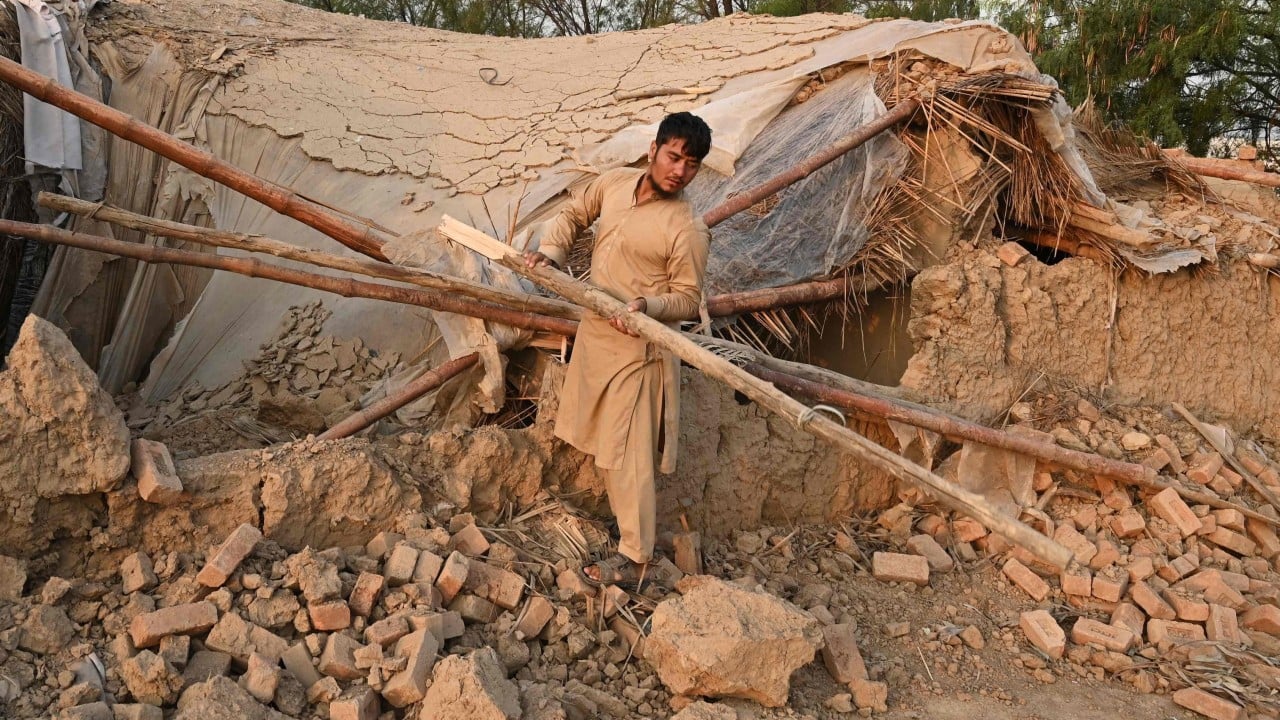
The eviction of over 2.5 million Afghan nationals from Pakistan since late 2023 is not merely an enforcement of immigration law. It represents a highly calculated, state-directed recalibration of bilateral leverage. When the Ministry of Interior invalidated long-standing local identity documents—specifically the Afghan Citizen Cards (ACC) and Proof of Registration (PoR) cards—and enforced a strict July 10, 2026, visa mandate, it structurally dismantled informal economic hubs like "Mini Kabul". This economic disruption serves as an instrument of state policy. Analyzing this shift requires moving past sentimental narratives and examining the raw security priorities, fiscal pressures, and structural border friction driving Islamabad’s strategy.
The Tri-Axe Policy Framework
The state strategy operates across three distinct operational layers. The execution of the "Illegal Foreigners' Repatriation Plan" is structured to achieve simultaneous domestic and external objectives.
- Security Arbitrage and Counter-TTP Deterrence: The primary vector for the policy is national security. Islamabad directly connects the presence of undocumented populations to the cross-border mobility of the Tehreek-e-Taliban Pakistan (TTP). By removing informal border communities, the state seeks to deny the TTP logistical deep tissue support and intelligence networks inside Khyber Pakhtunkhwa and Balochistan.
- Formalization of the Informal Economy: Hubs like "Mini Kabul" functioned as gray-market ecosystems. These micro-economies relied on cash-based transactions, informal trade routes, and undocumented property holdings that operated entirely outside Pakistan's tax net. Eliminating these zones forces a transition toward formal, state-monitored commercial operations.
- Asymmetric Diplomatic Pressure on Kabul: The repatriation acts as a demographic lever against the Taliban administration. By returning hundreds of thousands of individuals into an economy already constrained by sanctions and lacking infrastructure, Islamabad transfers a major fiscal and social burden onto Kabul. This moves the real cost of border instability back across the Durand Line.
The Cost Function of Sudden Liquidations
The immediate consequence of the July 10 visa deadline is a severe capital flight bottleneck. Because undocumented residents face immediate detention and asset seizure upon arrest, the market has seen a rapid, forced liquidation of local wealth.
[Forced July 10 Visa Deadline]
       │
       ▼
[Hyper-Supply of Local Fixed Assets]
       │
       ▼
[Asset Devaluation & Fire Sales]
       │
       ▼
[Wealth Destruction & Informal Capital Flight]
This dynamic triggers an immediate economic sequence:
- Asset Devaluation: Business owners, facing strict deadlines and frequent law enforcement raids, are forced into fire sales of real estate, livestock, and commercial inventory. Fixed assets are being sold at a fraction of their true market value, creating a transfer of wealth to local buyers who capitalize on the hyper-supply.
- Destruction of Cross-Border Trade Capital: The sudden removal of the merchant class disrupts supply chains connecting Karachi’s ports to Afghanistan's interior. The capital lost during these forced liquidations shrinks the overall pool of liquidity available for legitimate bilateral trade.
- Surge in Informal Currency Remittances: As banking channels remain closed to non-citizens, departing families rely heavily on informal hawala networks to move what capital they have left. This drives up transaction costs and keeps significant capital outside formal financial institutions.
Border Friction and Strategic Bottlenecks
The operational scale of the repatriation—averaging 400 to 600 families daily at the Torkham crossing alone—uncovers structural bottlenecks on both sides of the border. This creates a clear logistical challenge.
The Torkham and Spin Boldak corridors are processing thousands of individuals daily, stretching biometric registration systems to their limits. The strict shift from recognizing PoR/ACC identity documents to requiring formal state visas has turned border crossings into regulatory chokepoints.
The resulting friction shows up clearly in the diverging capabilities of the two states:
Pakistan Border Infrastructure            Taliban Re-Absorption Capacity
[Biometric Processing Centers] --------> [Resource Shortages / NGO Strain]
[Daily Output: 4,100+ Individuals]       [System Shock: Unemployment / Malnutrition]
On the receiving end, the Taliban administration faces a sharp influx of people into an economy already under strain. While returnee commissions offer short-term integration support like temporary SIM cards and small cash transfers, these measures do not solve the long-term structural gaps in employment, housing, and food security.
The Strategic Forecast
The enforcement of the repatriation policy will likely alter the geopolitical and economic dynamics of the region in two ways.
First, the complete elimination of informal trade hubs along the border will not automatically lead to formal tax revenue. Instead, it is more likely to create a commercial vacuum. The loss of these merchant networks will temporarily lower trade volumes between Pakistan and Central Asia, while pushing remaining irregular traders toward more dangerous, unmonitored smuggling routes.
Second, using demographic repatriation as a security tool is unlikely to resolve the underlying friction between Islamabad and Kabul. Rather than forcing the Taliban to change its stance on regional militant groups, the sudden arrival of hundreds of thousands of displaced individuals will likely deepen political divisions. This increases the risk of cross-border skirmishes and cements a long-term diplomatic deadlock along the Durand Line.