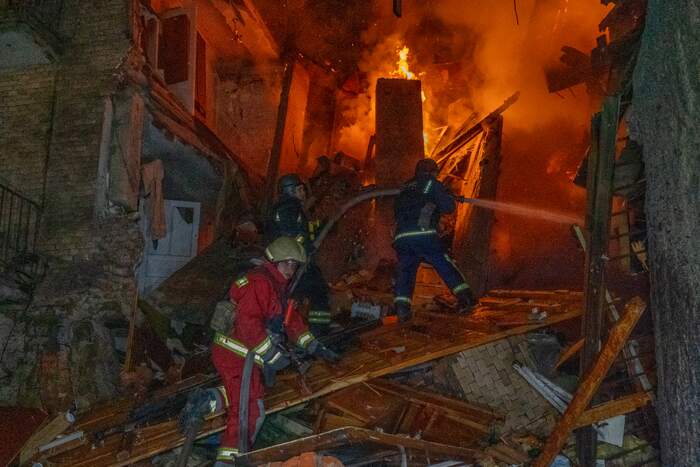
The frost in Kyiv does not arrive with a warning siren. It seeps. It clings to the reinforced windowpanes of apartment blocks where the radiators hum with a fragile, rhythmic anxiety. Down in the control rooms, men and women with dark circles under their eyes watch digital grids flicker—blue lines dropping, red warnings pulsing. They are guarding the invisible veins of heat and light that keep an entire nation breathing beneath a December sky.
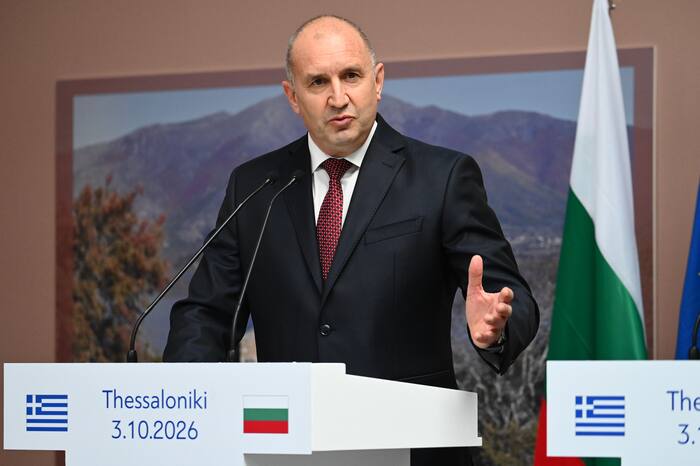
Thousands of miles away, in the marble-lined corridors of Brussels, the air is temperature-controlled and smelling of fresh coffee. Here, diplomats study a different kind of map. Their charts are covered in economic indices, gas storage percentages, and political posturing coming out of Washington. They are weighing the sudden, sharp rhetoric of a proposed "energy ceasefire"—a diplomatic shorthand for freezing the front lines where missiles meet substations. Don't miss our previous article on this related article.
On paper, the idea sounds merciful. Silence the artillery around the power plants. Let the grid breathe.
On the ground, in the drafty kitchens where tea is boiled over single-burner camping stoves, the reaction is not relief. It is a cold, weary skepticism born of a thousand broken promises. If you want more about the history here, BBC News provides an informative summary.
Consider a hypothetical grain farmer named Oleksandr, working thirty miles outside of Kharkiv. His tractor sits in a shed half-shattered by shrapnel from last autumn. When he hears politicians talk about halting attacks on energy infrastructure in exchange for concessions, he doesn't think about grand geopolitical strategy. He thinks about his grain silos, which require electricity to dry the harvest before it rots. He thinks about the pump that pulls water from his well. To him, an energy ceasefire is not a peace treaty; it is a temporary pause in a war of attrition, written by people who have never had to scrape ice from the inside of their bedroom walls.
The European Union finds itself trapped in this uncomfortable space between Washington's grand ambitions and the brutal, unyielding reality of Eastern European geography. Brussels has spent the last four years painstakingly untangling itself from the narcotic comfort of Russian hydrocarbons. Billions of euros have been rerouted, LNG terminals built, insulation upgraded, habits broken. They survived the winter of panic by the skin of their teeth and the grace of a mild season.
Now, a new administration across the Atlantic wants to broker shortcuts.
The core friction is simple, yet terrifyingly complex. Moscow’s strategy has never been a secret. It is a policy of systemic frost. By targeting transformers, turbine halls, and distribution hubs, the Kremlin discovered that darkness is a weapon just as effective as artillery. Freeze the cities, break the civilian will, and force the government to the negotiating table from a position of absolute desperation.
When Washington floats an energy ceasefire, European leaders squint at the fine print. How do you verify a ceasefire on a grid that spans thousands of miles of contested territory? Who watches the drone feeds when the fog rolls over the steppes? What stops an adversary from repairing their own logistics while using the pause to reposition for a brutal spring offensive?
Trust is a luxury burned up long ago.
History whispers a warning that modern politicians often ignore. In the winter of 1939, during the Finnish-Soviet conflict, freezing temperatures became a character in the war—an environment that shaped every tactical decision. Today, the modern grid has amplified that vulnerability. We have built hyper-connected civilizations that rely entirely on the steady hum of alternating current. When you weaponize electricity, you turn every civilian apartment into a frontline trench.
Brussels knows this better than Washington wants to admit. European officials are cautious because they understand the mechanics of betrayal. They know that a partial ceasefire in the sky often masks an escalation on the ground. If energy nodes are temporarily protected, does the artillery simply shift its fury to railway junctions, water treatment plants, and hospitals? War, like water, always finds the lowest crack in the dam.
Walk through the streets of Lviv or Odesa as dusk falls. The streetlights are dim, casting long, bruised shadows against nineteenth-century facades. People move with a quiet, deliberate urgency. They have learned to carry power banks like wallets. They have learned to store water in bathtubs just in case a midnight strike turns a neighborhood dry. This is not the life of a population waiting for a distant peace deal to save them. It is the life of a society that has internalized resilience as a daily chore.
When policymakers in Western capitals discuss these diplomatic maneuvers, they often speak of "leverage." They imagine pieces moving on a chessboard. But the pieces are breathing human beings. Every megawatt lost is a pediatric ward forced to run on sputtering diesel generators. Every substation repaired is a triumph of human stubbornness over entropy.
The danger of an ill-conceived energy truce is that it rewards calculated destruction. It whispers to aggressors that infrastructure can be used as a bargaining chip—smashed to create leverage, then preserved when the diplomatic winds shift, only to be smashed again when convenient.
Europe’s hesitation is not a sign of weakness or a lack of desire for peace. It is the wisdom of a continent that has looked into the abyss of manufactured winters too many times. They know that a lasting peace cannot be built on a foundation of fragile pauses and unverified promises.
The wind outside the window picks up, rattling the loose pane. Somewhere out in the dark, a generator coughs, catches, and settles back into its steady, life-sustaining roar. The grid holds. For now. And the people keep watch, waiting for a dawn that requires no footnotes.