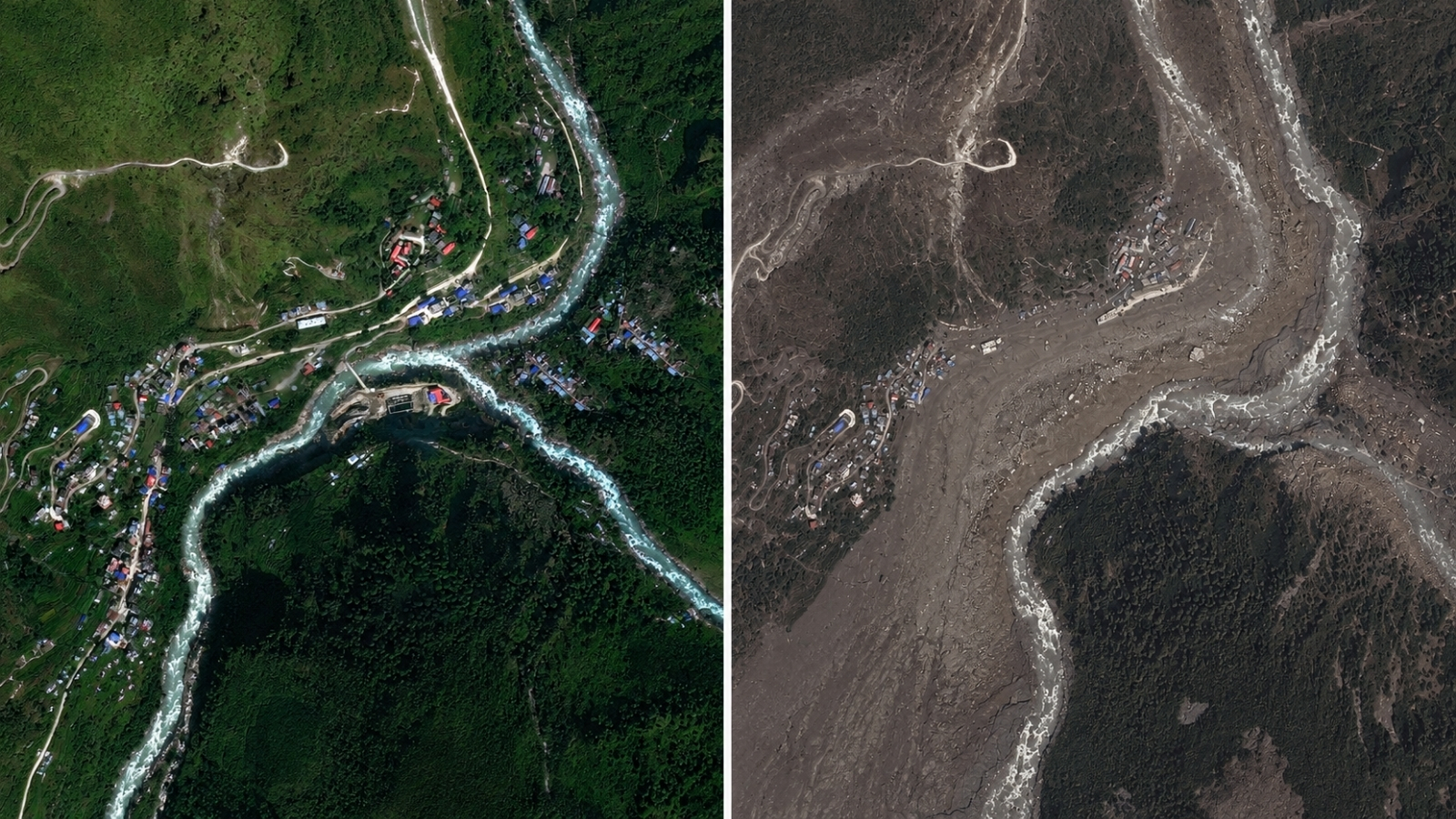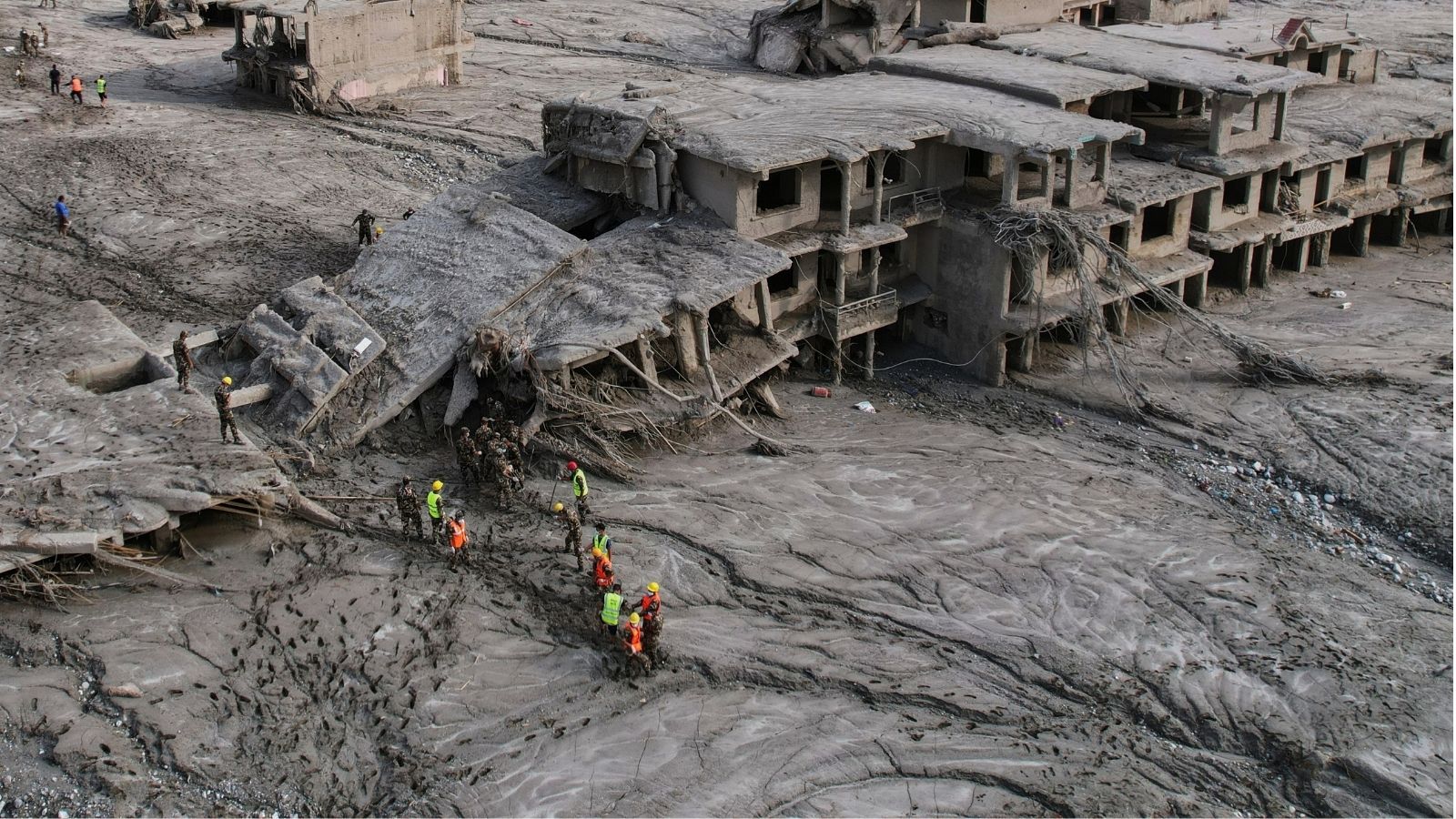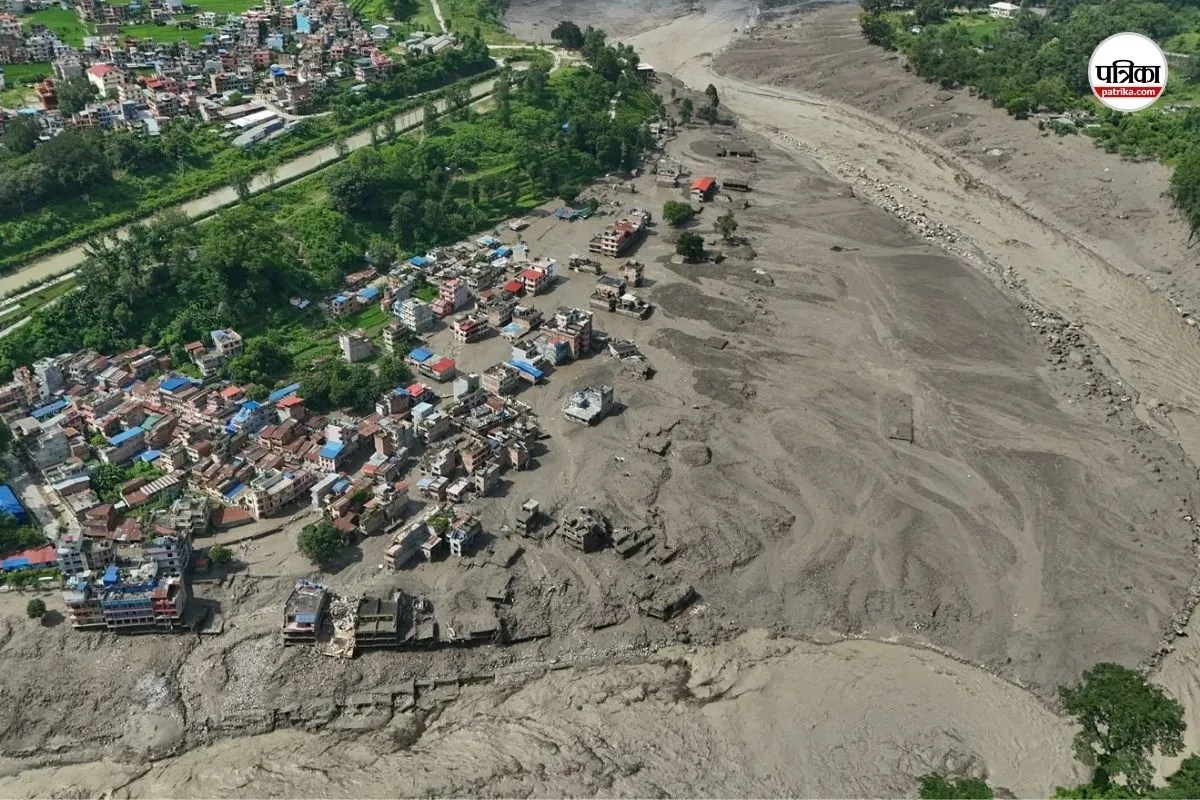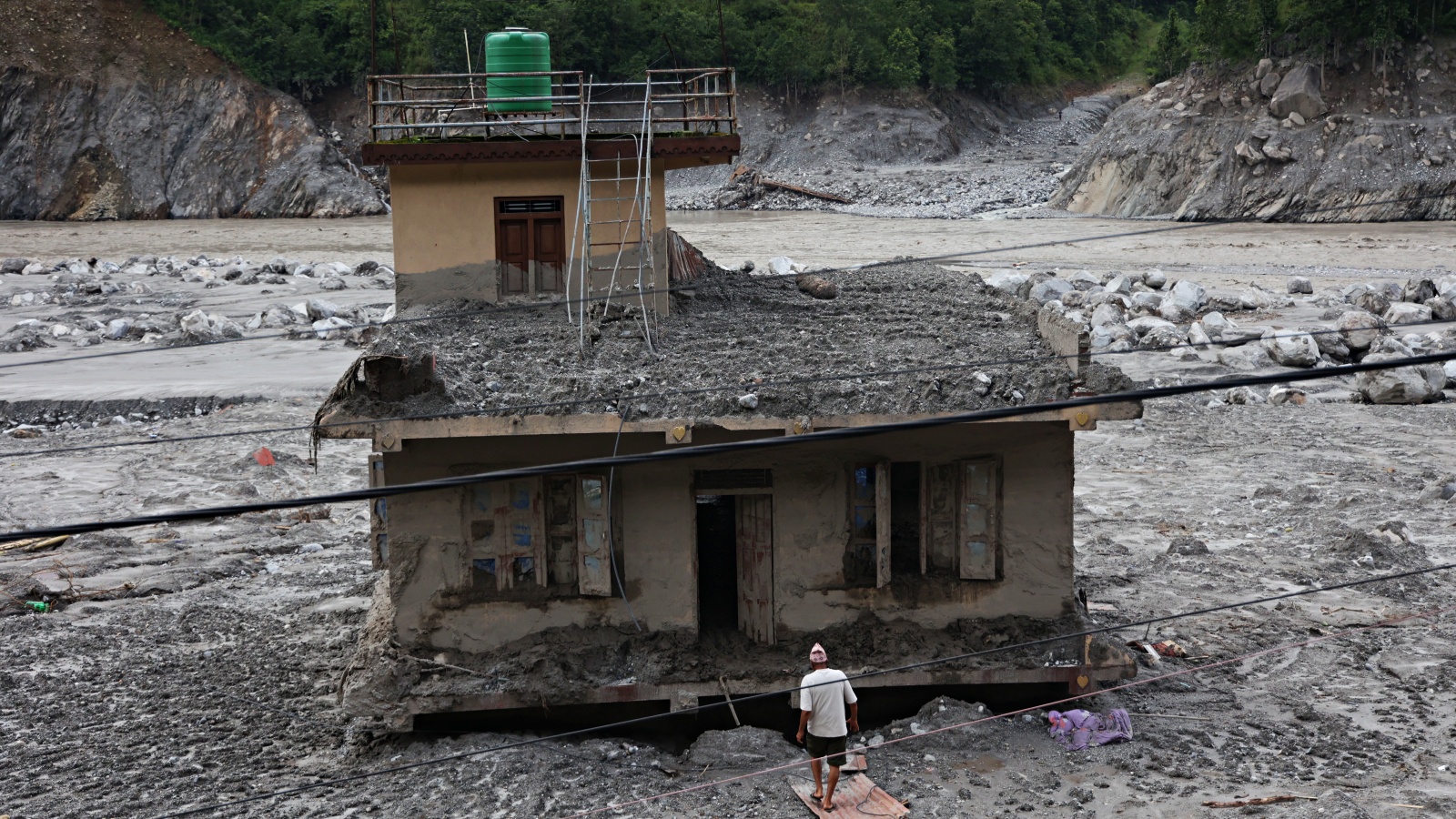
Every monsoon season, media outlets drag out the same tired script. Houses buried in mud, orchards wiped out, families left with nothing, and a collective, tragic sigh directed at the heavens. The headlines scream about natural disasters, freak weather events, and the inevitable fury of the earth. It is lazy, defeatist reporting that completely misses the mechanical reality of what is happening on the ground in Nepal.
Mother Nature gets blamed for what human engineering and terrible policy actually built.
I have walked these hills, spoken with regional planners, and watched millions of aid dollars get funneled into reactive disaster relief while the root structural failures are completely ignored. When an orchard is wiped out by a mudslide, the lazy consensus blames excessive rainfall. The truth is much more uncomfortable: decades of unregulated road expansion, scientifically illiterate terracing, and an absolute refusal to enforce zoning laws turned these slopes into ticking time bombs long before the first monsoon cloud gathered.
The Road Building Epidemic
Let us look at the data that mainstream coverage consistently ignores. Over the past twenty years, rural road construction in the middle hills of Nepal has exploded. Local politicians run campaigns on a single promise: dozer roads connecting remote villages.
These roads are carved out by heavy machinery without geological surveys, drainage management, or proper compaction. Contractors slice into the toes of fragile slopes, dump loose spoil material directly down the mountainside, and call it infrastructure. When heavy rains hit, that loose spoil material liquefies. It turns into a high-speed slurry that buries the houses and fields below.
To call this a natural disaster is an insult to actual natural disasters. This is a man-made manufacturing process of catastrophe.
When people ask why entire settlements are being erased, the mainstream answer points to climate change. While changing weather patterns intensify rainfall events, climate change does not pick the exact path of a bulldozer. It does not ignore the engineering code because a local political donor wanted a shortcut to his farmland. We are dealing with a governance crisis disguised as a meteorological one.
The Fallacy of Reactive Aid
Pouring emergency funds into tarp distribution, temporary food rations, and superficial cleanup after every monsoon is a mug's game. It treats the symptom while guaranteeing the disease will return with interest next year.
Imagine a scenario where international donors and government ministries stopped funding post-disaster rehabilitation and instead redirected every cent into rigorous geotechnical slope stabilization and mandatory road-building moratoria. It sounds harsh. It sounds politically impossible. But continuing down the current path means subsidizing the destruction of the very communities we claim to protect.
The local political economy relies on disaster funding. Every washed-out road and buried orchard unlocks emergency budgets, contracts for excavation equipment, and photo-ops for local officials. There is a perverse incentive structure that rewards vulnerability. As long as communities remain exposed and fragile, the flow of relief capital continues. Break that cycle, and the incentives shift toward building things that actually last.
What Accountability Actually Looks Like
Fixing this requires an immediate, unsparing overhaul of how rural development is managed.
First, local governments must ban unengineered dozer tracks immediately. If a road does not have a professional geological sign-off and a certified drainage plan, building it should be treated as a criminal offense against public safety.
Second, land-use planning needs teeth. For decades, people have built homes on ancient debris fans and active landslide zones simply because flat land is scarce. Without strict zoning that restricts habitation in high-risk runout zones, no amount of afforestation or check dams will save these villages.
Third, we need to stop romanticizing rural resilience as an excuse for state failure. Resilience is wonderful, but competence is better. The villagers who lose their livelihoods every summer do not need our pity or another round of inspirational profile pieces about how they are rebuilding on the exact same unstable slope. They need structural change that stops the mountains from being cut out from under them.
The next time a headline breaks about houses buried in mud across the mid-hills, look past the tragic imagery. Ask who cut the road above the village six months prior. Ask what engineer signed off on the slope cuts. Ask why local authorities continue to trade long-term safety for short-term political patronage.
Until we stop blaming the sky for disasters engineered by our own hands, the mud will keep coming, and we will deserve every ton of it.