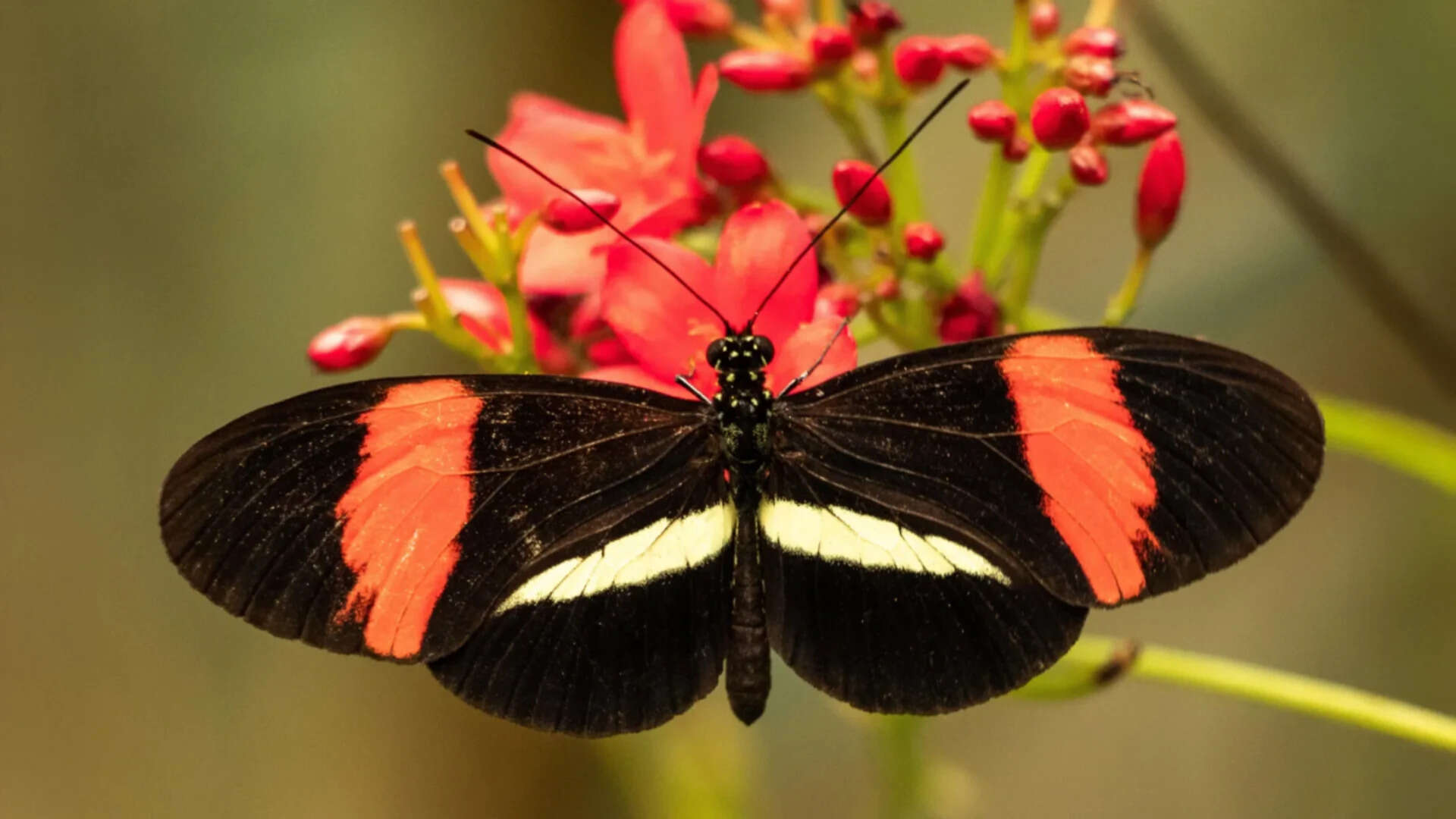
Most butterflies live fast and die young. They burn through their brief existence in a matter of weeks, driven by a frantic biological mandate to mate, lay eggs, and perish. Yet deep within certain temperate forests and migratory paths, a few outliers defy this evolutionary script. Scientists have identified specific butterfly species—most notably the Mourning Cloak (Nymphalis antiopa) and certain generations of the Monarch (Danaus plexippus)—that can live for nearly a year. More astonishingly, they spend the vast majority of that time in a state of suspended genetic decay. They barely age at all.
This is not a mere quirk of nature. It is a radical survival strategy that challenges our fundamental understanding of senescence, cellular degradation, and metabolic trade-offs. While mainstream reporting often treats this as a heartwarming marvel of the insect world, the underlying biochemistry reveals something far more complex. It exposes a harsh evolutionary compromise. Longevity, it turns out, is not a gift. It is a calculated biological freeze.
The Chemistry of the Long Lived Outlier
To understand how an organism with a fragile nervous system and a high-surface-area body survives twelve months, you have to look at metabolic suppression. The butterflies that achieve this feat do so by entering a prolonged state of diapause. This is not simple hibernation. It is a systemic shutdown.
During normal active phases, a butterfly’s metabolism runs hot. It flies, courts, and consumes sugar, generating massive amounts of reactive oxygen species—the cellular garbage we call free radicals. These free radicals batter DNA, degrade cellular membranes, and accelerate aging.
The yearlong butterfly flips a genetic switch to halt this process.
- Metabolic Downregulation: Oxygen consumption drops to a fraction of normal levels. By minimizing breath, they minimize oxidative damage.
- Juvenile Hormone Suppression: The corpora allata, the endocrine glands responsible for producing juvenile hormone, effectively go silent. Without this hormone, reproductive organs remain immature, locking the insect in a biological stasis.
- Cryoprotectant Production: The insect floods its hemolymph—insect blood—with glycerol and sorbitol. These act as natural antifreezes, preventing ice crystal formation that would otherwise rupture cell walls during winter.
By turning off reproduction and slowing cellular turnover to a crawl, these insects preserve their tissues in near-pristine condition for months on end. They are not aging slowly; for a significant portion of their lives, they are actively resisting the passage of time at a molecular level.
The Evolutionary Trade Off of Staying Young
Nature never provides a free meal. The extraordinary lifespan of these butterflies comes at a devastating cost to their primary evolutionary purpose: reproduction.
For these species, longevity is an act of desperation driven by environmental necessity. A Mourning Cloak butterfly must survive a brutal winter to lay eggs in the early spring when host plants are viable. To achieve this, it trades its present fertility for future survival.
+-----------------------------------------------------------+
|               THE BIOLOGICAL BALANCE SHEET               |
+-----------------------------------------------------------+
| Standard Butterfly Generation | Yearlong Diapause Generation|
+-------------------------------+---------------------------+
| Lifespan: 2–6 weeks           | Lifespan: 8–11 months     |
| Immediate reproduction        | Delayed reproduction      |
| High metabolic rate           | Suppressed metabolic rate |
| Rapid cellular decay          | Arrested cellular decay   |
+-----------------------------------------------------------+
This creates a stark biological dichotomy. During the months of diapause, the butterfly is effectively a living ghost. It does not feed. It does not mate. It remains motionless, tucked beneath loose bark or fallen leaves, entirely vulnerable to predators, disease, and sudden environmental shifts. If the winter is too short or too warm, its metabolic rate ticks upward prematurely. It burns through its stored fat reserves too quickly, and it dies before spring ever arrives.
This undermines the popular notion that finding the "aging switch" in insects could easily translate to human longevity interventions. For the butterfly, youthfulness is achieved by choosing not to truly live.
Cracking the Genetic Shield
The true value of this research lies in the specific genetic pathways that govern this stasis. Researchers focusing on the gene expression of long-lived insects have isolated a cluster of genes responsible for cellular repair and maintenance that remain highly active during diapause.
While a standard short-lived butterfly experiences a rapid drop-off in the production of antioxidant enzymes like superoxide dismutase (SOD) and catalase, the yearlong variants maintain high levels of these protective proteins. These enzymes act as a molecular cleanup crew, neutralizing free radicals before they can inflict permanent damage on the organism's DNA.
Furthermore, heat shock proteins—which act as molecular chaperones to ensure that other proteins retain their correct, functional shapes under stress—remain elevated. This prevents the protein clumping and misfolding associated with aging and neurodegenerative conditions in higher organisms.
The mechanism is entirely internal. It does not rely on external dietary factors or environmental optimization. The butterfly possesses a hardwired genetic shield that it can deploy when survival demands it.
Why the Human Analogy Falls Flat
It is tempting to look at a creature that halts aging for ten months and attempt to extrapolate those findings to human medicine. This is where much of the mainstream scientific press misleads the public. The cellular architecture of an insect is fundamentally different from that of a mammal.
Butterflies are largely composed of post-mitotic cells. Once they reach adulthood, most of their cells stop dividing. They do not need to worry about the traditional mechanisms of mammalian aging, such as telomere shortening or the runaway cellular division that causes cancer. Their primary enemy is wear and tear—the mechanical and chemical degradation of existing structures.
Humans, conversely, rely on continuous cellular division to maintain organ function and stay alive. If a human were to suppress cell division and hormone production to the degree a diapausing butterfly does, the result would not be prolonged youth. It would be systemic organ failure.
The lesson these insects provide is not a blueprint for a longevity pill. Instead, it offers an extreme model of stress tolerance. By studying how their cells stabilize proteins and prevent oxidative damage during prolonged periods of inactivity, medical researchers can glean insights into preserving organs for transplantation or protecting human tissue during acute trauma when blood flow and oxygen are restricted.
The Threat of Climate Disruption
The delicate survival mechanism of the yearlong butterfly is highly susceptible to external disruption. Because their extended lifespan relies on precise environmental cues—specifically temperature and day length—to trigger and maintain diapause, shifting global weather patterns present a severe existential threat.
Unseasonably warm autumns delay the entry into stasis, forcing the insects to burn precious energy when food sources are scarce. Erratic winter warm spells can wake a butterfly from its slumber months ahead of schedule. Once awakened, its metabolic clock begins to tick at normal speed. It cannot easily re-enter deep diapause. If it emerges into a frozen landscape devoid of nectar or emerging host plants, its yearlong survival strategy transforms into an evolutionary dead end.
The survival of these species hinges entirely on environmental predictability. Without it, their sophisticated biological shield becomes useless.