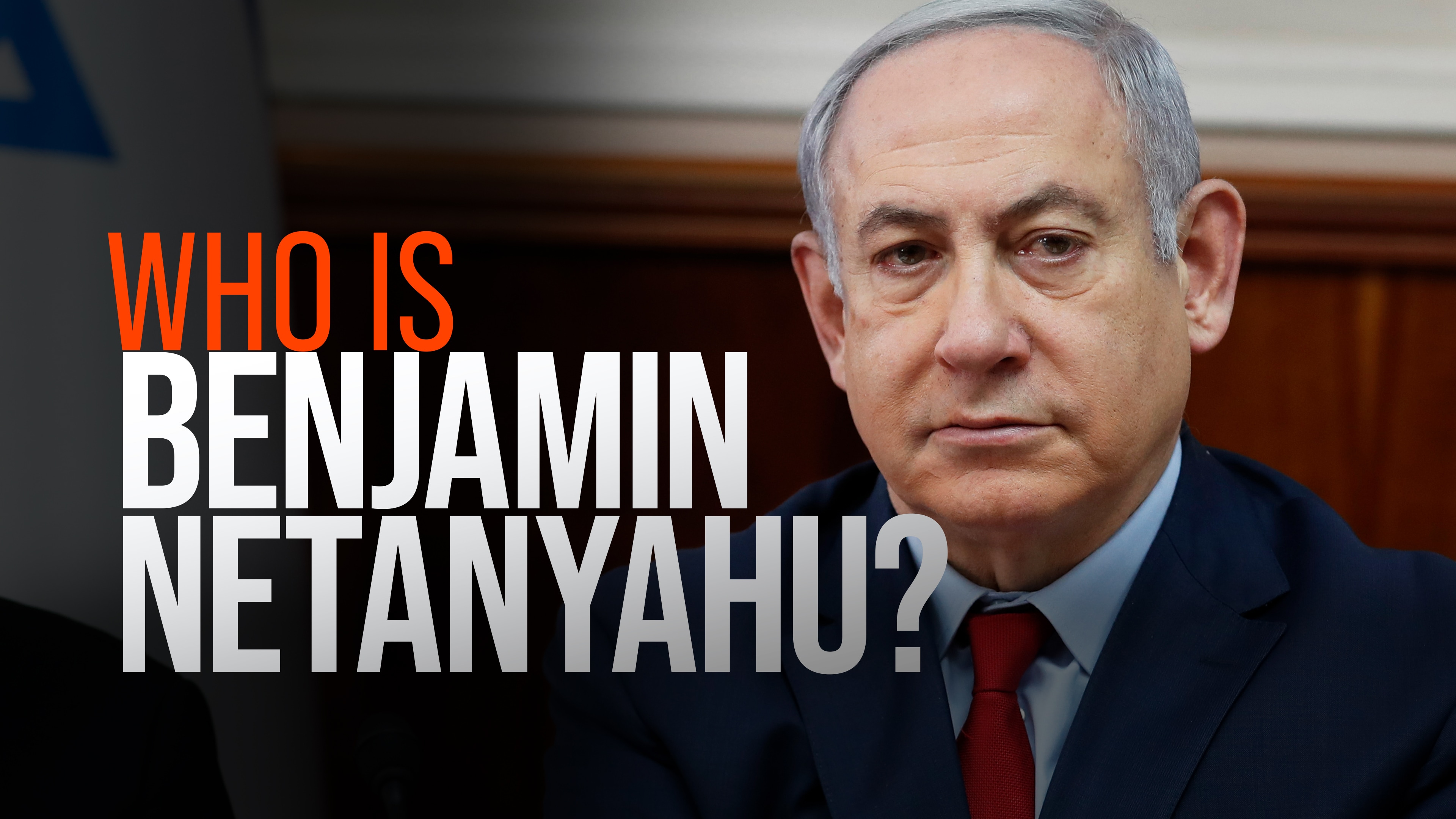
Benjamin Netanyahu's legal drama is back on the calendar this Sunday. After weeks of wartime delays, the Jerusalem District Court has officially signaled that the clock is ticking again for the Prime Minister. For a while there, it looked like the conflict with Iran might push these proceedings into the distant future. But with the recent ceasefire and the lifting of emergency judicial restrictions, the most significant trial in Israeli history is clawing its way back to center stage.
You might think a country in the middle of a massive geopolitical shift wouldn't have time for a corruption trial. Honestly, it's the opposite. The resumption of Case 4000—the "big one" involving Bezeq and Walla News—isn't just a legal formality. It's a collision between a leader’s survival instincts and the rule of law. If you've been following the news, you know Netanyahu just tried to delay this again on Friday, citing "secret security reasons." The court isn't biting yet.
The War Emergency That Froze the Gavel
When the conflict with Iran escalated on February 28, the Justice Ministry put the courts on ice. Only "urgent" matters were allowed. Conveniently for Netanyahu, a multi-year corruption trial doesn't count as an emergency when missiles are flying. This wasn't a special favor for him; it was a blanket rule that affected thousands of cases across the country.
But things changed Tuesday when the U.S. and Iran agreed to a two-week ceasefire. By Wednesday, the Home Front Command started reopening schools and workplaces. By Thursday, the court notice went out. The message was clear: regular life is back, and that includes the Prime Minister sitting in a courtroom.
What Cases 1000 2000 and 4000 Actually Mean
It’s easy to get lost in the numbers. Let’s strip away the jargon and look at what the prosecution is actually saying happened.
- Case 1000 (The Gifts Case): This is about luxury. We’re talking nearly $200,000 worth of pink champagne, expensive cigars, and jewelry gifted by billionaire Arnon Milchan and James Packer. The prosecution says these weren't just friendly gifts; they were a systematic supply line in exchange for help with tax exemptions and U.S. visas.
- Case 2000 (The Yedioth Ahronoth Case): This one is basically a quid pro quo that feels like a political thriller. Netanyahu allegedly discussed a deal with publisher Arnon Mozes to weaken a rival newspaper (Israel Hayom) in exchange for better coverage of the Prime Minister.
- Case 4000 (The Bezeq-Walla Case): This is the most dangerous one for Netanyahu. He’s charged with bribery. The claim is that he pushed regulatory moves worth hundreds of millions of dollars to Shaul Elovitch, the owner of Bezeq. In return? He allegedly got to dictate the editorial line of the Walla! news site.
Netanyahu is Still Trying to Buy Time
On Friday, April 10, Netanyahu’s legal team made a last-minute play. They requested a two-week postponement. Their reasoning? "Secret security and political reasons." In any other country, that might sound like a joke, but in Israel, it’s a standard move. He’s arguing that between managing the fragile ceasefire and overseeing the "Roaring Lion" military operations, he simply doesn't have the "mental bandwidth" or time to prep for cross-examination.
The court hasn't given him the green light on that delay yet. As of right now, Sunday morning at 9:30 a.m. is the start time.
Why the Sunday Resume Matters Right Now
There’s a reason this is hitting differently in April 2026. Netanyahu is the first sitting Prime Minister to be a criminal defendant. He’s been testifying since late 2024, and the prosecution has been grilling him since June 2025. This isn't a fresh trial; it’s a marathon where everyone is exhausted.
Critics say he's using the war as a shield to avoid the witness stand. Supporters say the trial is a "political witch hunt" designed to distract a leader during a national crisis. Both sides are digging in. But the court's decision to resume shows that the judiciary is trying to maintain its independence, even when the government is under immense pressure.
The Trump Factor and the Pardon Rumor
It’s impossible to ignore the noise coming from Washington. Donald Trump has already gone on record saying Israel's President should just pardon Netanyahu and get it over with. He even called the current situation a "disgrace." If a pardon actually happens, the trial stops. But in the current Israeli political climate, that’s a massive "if." President Herzog hasn't moved on it, and the public is deeply split.
Your Move Keep Your Eyes on Case 4000
Don't let the headlines about "security reasons" distract you from the substance. The trial is currently in the middle of Netanyahu’s own cross-examination in Case 4000. This is where the most damage can be done.
If you want to stay ahead of this story, stop looking at the political commentary and start looking at the witness list. This Sunday is supposed to feature testimony from a defense witness, but the real fireworks happen when the prosecution gets back to questioning Netanyahu himself.
Watch for the court's ruling on his latest delay request. if they deny it, Netanyahu will be forced to balance the roles of "War Prime Minister" and "Criminal Defendant" in real-time. It's a high-wire act that most leaders wouldn't survive. Check the Jerusalem District Court's docket on Sunday morning. If the doors open, the era of wartime immunity is officially over.



