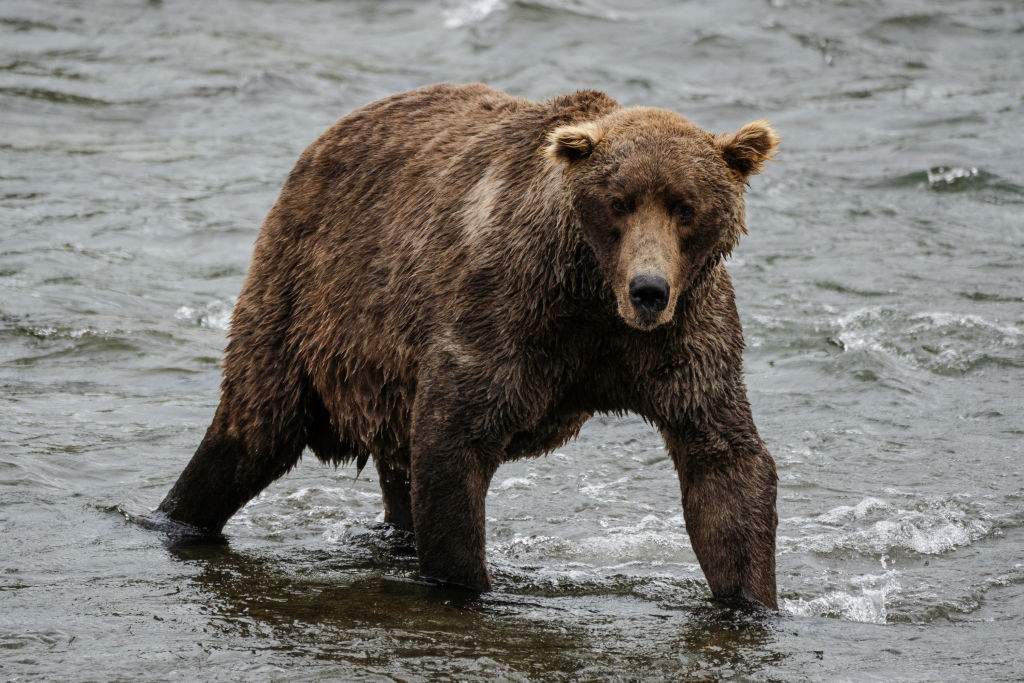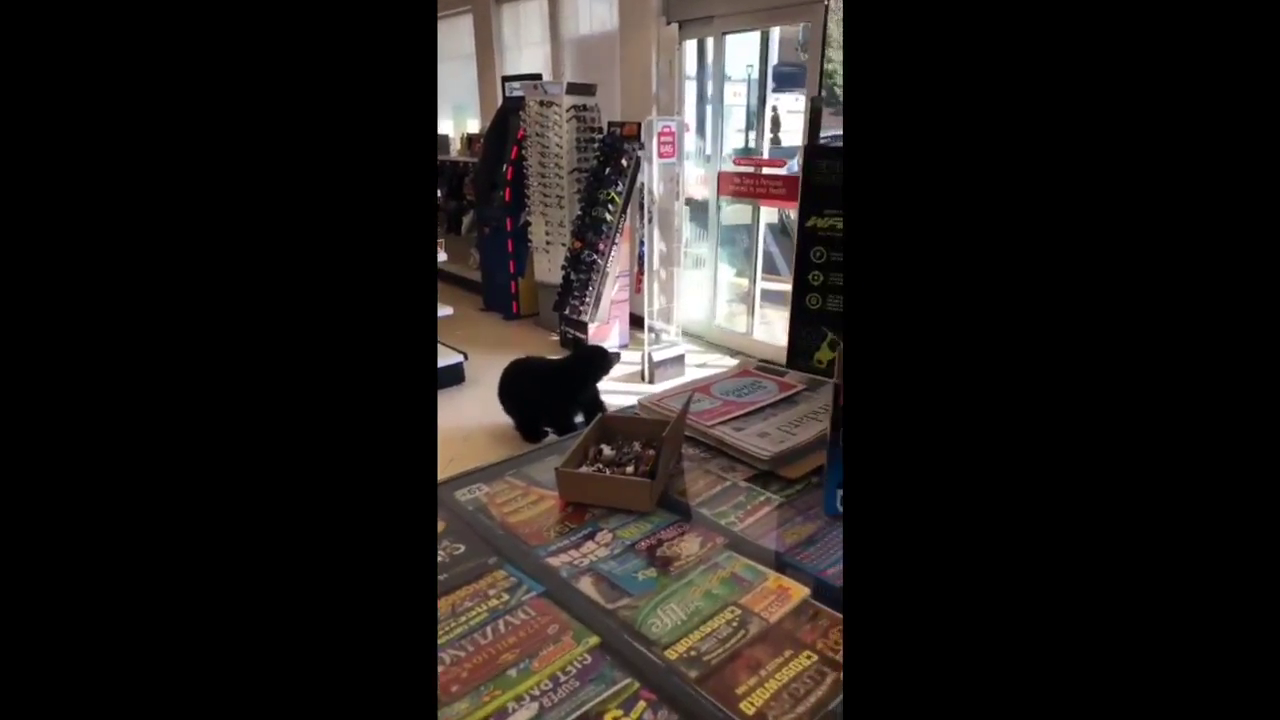
A mother bear walked into a British Columbia storefront, a startling intrusion that ended with lethal intervention by conservation officers. This single event pulls back the curtain on a much larger, systemic failure in wildlife management and urban planning across the Pacific Northwest. When a black bear wanders into a commercial building, the public reacts with shock. Wildlife biologists react with weary familiarity. We keep building deeper into traditional wildlife corridors, and then we act surprised when the original residents show up looking for calories.
The confrontation took place in a bustling community where residential sprawl meets dense forest canopy. Conservation officers faced a difficult choice. Or so the official reports claim. The standard operating procedure for a large carnivore inside an enclosed human space almost always defaults to euthanasia. Tranquilizers take time to work. Stressed animals in unfamiliar environments panic. Public safety remains the overriding mandate. Yet framing this solely as a public safety issue ignores the decades of habitat fragmentation that drove the animal there in the first place. For a closer look into similar topics, we suggest: this related article.
The Anatomy of an Urban Incursion
Bears do not wake up with a desire to browse hardware aisles or convenience stores. They follow scent gradients. Natural food sources fail due to climate shifts, drought, or poor berry yields. At the same time, unsecured residential garbage cans, commercial dumpsters, and backyard fruit trees create an all-you-can-eat buffet right on the edge of the wilderness.
Once an animal learns that human infrastructure equals high-calorie sustenance, the psychological shift is permanent. Biologists call this food conditioning. A food-conditioned bear loses its natural wariness of humans. It stops foraging in the high country. Instead, it patrols suburban streets and commercial strips. The bear that entered the B.C. store was likely following an olfactory map written by human negligence. For additional details on this issue, in-depth analysis is available at USA Today.
We manage waste poorly. Municipalities drag their feet on mandatory bear-proof bin ordinances because of cost and pushback from residents who dislike heavier lids. Property developers clear-cut forested hillsides, putting up multi-family housing complexes with inadequate buffer zones. Then, when a massive predator walks across a parking lot and pushes through sliding glass doors, we dispatch officers with firearms to solve a problem we engineered.
The Policy Gap in Wildlife Management
British Columbia operates under the Conservation Officer Service, an agency tasked with enforcing environmental laws and managing human-wildlife conflicts. These officers operate under immense pressure. They deal with angry citizens demanding immediate protection and animal advocates demanding zero tolerance for lethal action.
The numbers tell a grim story. Hundreds of black bears are destroyed every single year in the province alone. Relocation sounds humane, but it rarely works. Translocated bears often try to return to their home range, getting struck by vehicles or killed by dominant bears already occupying the destination territory. Alternatively, they simply find another human settlement and repeat the behavior.
Preventative measures remain chronically underfunded. Education campaigns tell residents to secure their garbage, but voluntary compliance fails. Without strict municipal bylaws backed by heavy fines, citizens leave organic waste exposed. Conservation officers become the cleanup crew for systemic civic failure. We fund the ambulance at the bottom of the cliff instead of building a fence at the top.
Rethinking Coexistence
True mitigation requires a complete overhaul of how we design our communities. Urban containment boundaries must be respected. Green spaces should not be fragmented islands surrounded by asphalt; they need contiguous corridors that allow wildlife to move through regions without entering human-dense zones.
Municipalities must mandate bear-resistant commercial dumpsters and residential carts. Fines for leaving garbage out overnight need to be severe enough to change behavior. Furthermore, early warning systems using motion-activated deterrents and electric fencing around urban agriculture plots can redirect wildlife before they reach commercial centers.
The mother bear inside that British Columbia store paid the ultimate price for our refusal to adapt our living habits. As long as our towns expand blindly into natural habitats while leaving accessible calories on the table, these tragedies will repeat. The gunfire in that store parking lot was not an isolated incident. It was the predictable sound of a collision between two worlds that refuse to respect each other's boundaries.