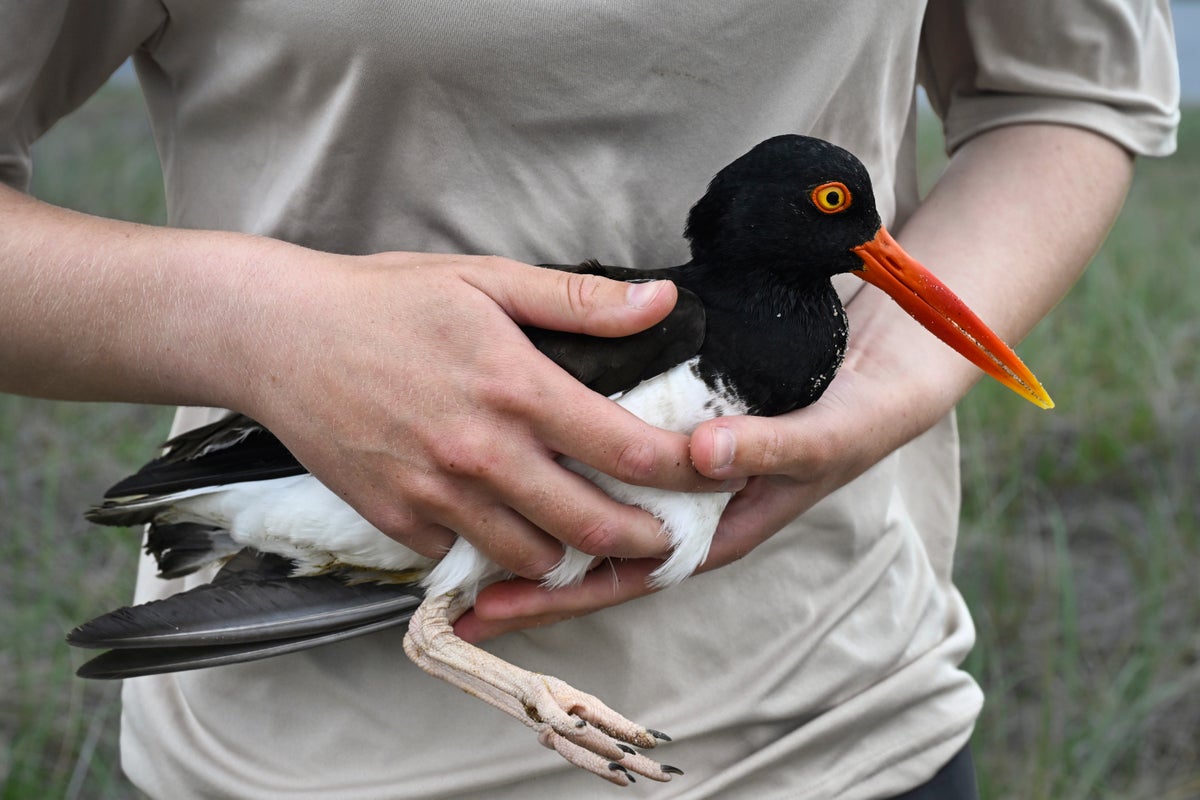
Coastal shorebirds like the piping plover and snowy plover are celebrated as triumph stories of modern wildlife conservation. Decades of aggressive nest monitoring, symbolic fencing, predator control, and seasonal beach closures successfully pulled these small beach-nesting birds back from the brink of regional extinction. However, high-density public recreation, relentless shoreline development, and accelerating sea-level rise are rapidly eroding those hard-won population gains. The apparent recovery masks a fragile ecosystem equilibrium that relies on continuous human intervention, raising uncomfortable questions about whether beach bird populations can survive without permanent, resource-intensive management.
The Fragile Reality of Coastal Conservation
For decades, conservation biology celebrated simple metrics. Count the nests in May, tally the fledglings by August, and chart the line moving upward. By those standards, beach bird restoration programs across North America look like an undeniable success.
Populations along the Atlantic coast and Northern Great Lakes hit historical lows in the mid-1980s. Federal protections under the Endangered Species Act triggered immediate action. Environmental agencies deployed physical enclosures around nesting sites, restricted off-road vehicles, and launched public education initiatives.
The numbers responded. In several monitored corridors, breeding pairs doubled or tripled over a twenty-year period. Local wildlife managers pointed to these statistics as proof that structured intervention works.
Yet these numbers obscure a fundamental vulnerability. The birds are not thriving in a self-sustaining wild habitat. They are existing in carefully engineered sanctuary pockets carved out of high-value real estate.
+-------------------------------------------------------------------+
|               THE DUAL PRESSURES ON COASTAL BIRDS                |
+-------------------------------------------------------------------+
|  RECREATIONAL IMPACTS              | ENVIRONMENTAL IMPACTS        |
|  * Off-leash dogs                  | * High-tide washouts         |
|  * Off-road vehicle tracks         | * Severe winter storm surges |
|  * Foot traffic near dune lines    | * Seawall erosion dynamics   |
+-------------------------------------------------------------------+
Why Nest Fencing Is Only a Temporary Fix
The primary tool in shorebird preservation remains the predator exclosure. These metal wire cages allow adult plovers to pass through while keeping foxes, raccoons, and gulls out.
On paper, exclosures dramatically boost hatching success. In practice, they create concentrated targets for intelligent predators.
Ornithologists observing nest sites noticed crows and smart mammals learning to pattern human technicians. Predators began patrolling the perimeter of exclosures, waiting for newly hatched chicks to step outside the wire mesh.
The Chick Survival Bottleneck
Hatching an egg is only the first hurdle. Shorebird chicks are precocial, meaning they leave the nest within hours of hatching to forage for marine worms and tiny invertebrates along the intertidal zone.
- Exclosure Protection: Protects unhatched eggs from mammalian predators.
- The Intertidal Vulnerability: Offers zero protection when chicks walk to the water line to feed.
- Human Interruption: Disturbed chicks stop feeding and run, expending critical calories needed for flight development.
When beachgoers, unleashed dogs, or low-flying drones disturb a feeding zone, parent birds perform distraction displays. During these moments, vulnerable chicks hide in tire ruts or footprints, leaving them exposed to ghost crabs, weather extremes, and starvation. A beach can hatch fifty chicks in June and lose forty-eight of them before July ends.
The Unseen Impact of Coastal Engineering
The true long-term threat to shoreline birds is not the occasional negligent pet owner. It is structural geology altered by human development.
Humans prefer static coastlines. Property owners build seawalls, install bulkheads, and dump tons of sand onto eroding shores to protect expensive infrastructure.
Wild beaches are dynamic systems. They migrate, erode, and rebuild during seasonal storms, creating wide, gravelly overwash zones. These harsh, storm-swept environments are precisely where shorebirds prefer to nest because vegetation remains sparse and visibility against predators is high.
NATURAL DYNAMIC BEACH:
[Ocean] --- (Intertidal Zone) --- [Overwash Flat / Shell Beds] --- [Pioneer Dunes]
                                   ^ Ideal Nesting Zone

ENGINEERED COASTLINE:
[Ocean] --- (Narrow Intertidal) --- [Concrete Seawall] --- [Private Property]
                                   ^ Zero Nesting Zone
When cities install concrete seawalls or hard armoring, they trigger a phenomenon known as coastal squeeze. As sea levels rise, the intertidal zone is squeezed against the immovable concrete wall. The wide shell flats disappear completely.
Beach Nourishment Dilemmas
To compensate for erosion, municipalities frequently pump hundreds of thousands of cubic yards of offshore sand onto public beaches. While this creates wide strips of dry sand for sunbathers, it often degrades avian habitat.
- Dredging Impacts: Pumping offshore sediment buries the native intertidal invertebrate communities under feet of foreign sand, wiping out the primary food supply for young chicks.
- Substrate Texture: Nourished sand often packs too tightly or contains improper shell ratios, making it difficult for birds to scrape out functional nest bowls.
- Vegetation Overgrowth: Heavy sand deposits accelerate the growth of invasive beach grasses, turning open gravel beds into dense brush where predators hide.
The Economic Conflict on the Shoreline
Conservation policy inevitably collides with local economies reliant on tourism revenue. A single municipal beach can generate millions of dollars in parking fees, local taxes, and retail spending over a summer weekend.
When federal authorities order a popular beach closed because a pair of piping plovers laid eggs near a access trail, local tension spikes immediately.
Town officials face immense pressure from business owners to keep corridors open. In response, municipalities often request special permits to manage shorebirds aggressively or relocate nests, arguing that public economic viability must take priority over individual nesting pairs.
This dynamic creates an ongoing administrative tug-of-war. Federal wildlife agencies enforce statutory protections, while local governments seek loopholes to minimize closure zones.
The result is a patchwork of enforcement where protection standards vary drastically from one town border to the next.
Managing Predators Without Solving Root Causes
To maintain chick survival rates, management programs frequently resort to predator removal. Trapping programs target raccoons, skunks, and feral cats around key nesting sites every spring.
While effective in localized zones over short timeframes, lethal or relocative predator management addresses symptoms rather than underlying causes.
Human settlements generate abundant artificial food sources. Open dumpsters, overflowing boardwalk trash cans, and outdoor pet feeding create artificially inflated predator populations near marine environments.
Removing twenty raccoons from a beachfront park in April simply creates a vacuum that twenty more fill by June, as long as the underlying food waste infrastructure remains unaddressed.
The Looming Threat of Sea Level Rise
Even if beach management resolves human disturbance and predator density, climate projections present a far more formidable challenge.
Shorebirds build their nests mere inches above the spring high-tide line. A minor storm surge during a full moon can wash out hundreds of active nests along an entire coastline in a single evening.
As sea levels rise and extreme weather events increase in frequency, late-spring washouts are shifting from rare occurrences to annual events. Birds will lay a second clutch of eggs if their first nest fails early in the season, but second attempts produce smaller egg counts and weaker chicks with less time to prepare for fall migration.
When storm surges destroy both primary and secondary nests year after year, population replacement rates collapse.
Where Shorebird Conservation Must Go From Here
The narrative that shorebirds are safely out of the woods is fundamentally flawed. Current population numbers are an artifact of intense, costly, hands-on management that must be repeated every single spring without interruption.
True long-term stability requires shifting focus away from reactive fencing and toward large-scale habitat restoration.
Municipalities must adopt managed retreat strategies along coastal zones, allowing barrier islands to move naturally rather than locking them in place with seawalls and sand pumping. Coastal planning must prioritize living shorelines, shell-bed restoration, and strict trash management practices that naturally curb predator populations.
Without structural changes to how humans manage and develop the coastline, the current comeback story remains nothing more than artificial life support on a fading shore.