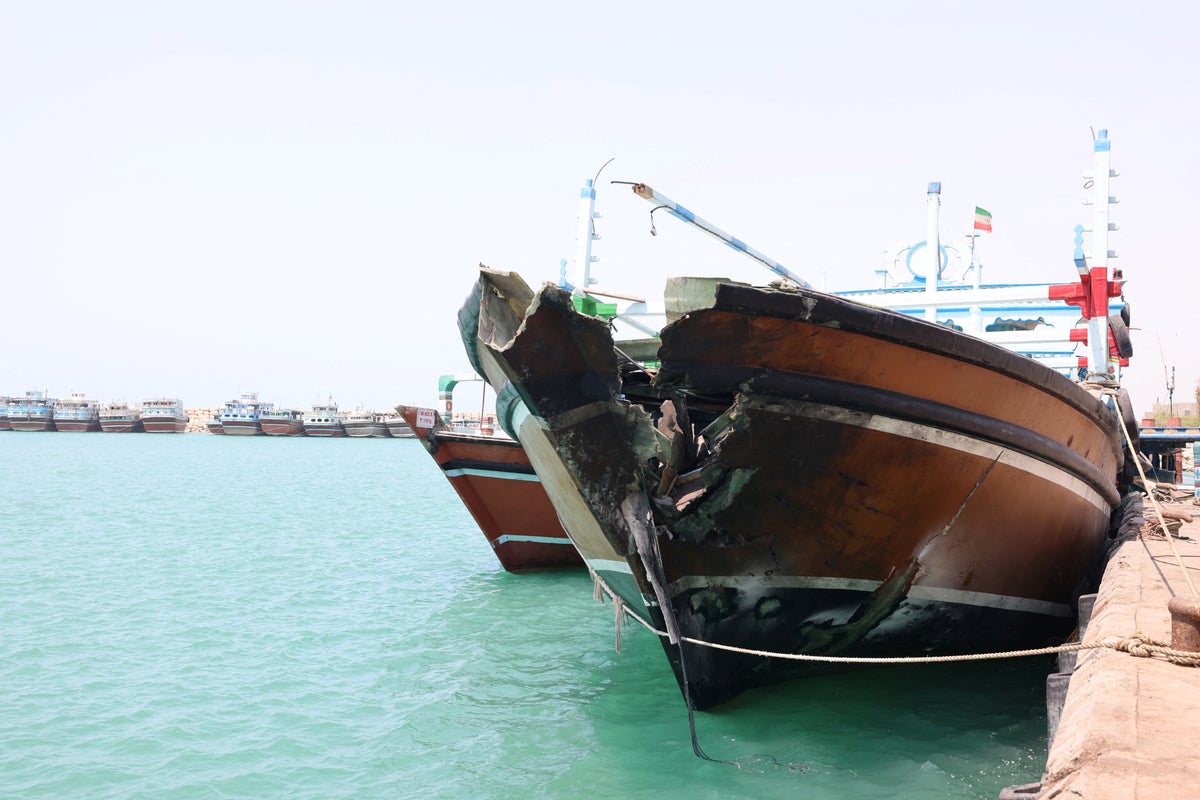
The choke point of global energy is bleeding. Tehran is doubling down on its maritime boundaries, threatening to stretch its unilateral exclusion zone far past traditional limits after American warplanes targeted Iranian oil tankers. If you think this is just regional saber-rattling, look closer at the crude markets. Roughly one-fifth of the world's daily petroleum supply squeezes through this narrow channel. When Washington and Tehran start trading direct blows over tanker routes, the shockwaves hit every gas pump on earth.
The current escalation didn't happen in a vacuum. Hostilities flared up fiercely after US Central Command (Centcom) permanently disabled crude oil carriers like the M/T Downy near Kharg Island and the M/T Stark 1 near Jask. Washington justified the operations by pointing to what it called a shadow network funding the Islamic Revolutionary Guard Corps (IRGC). Tehran responded swiftly. The IRGC claimed hits on multiple vessels operating outside approved channels and even targeted an American naval drone attempting to push into the strait.
The Anatomy of a Maritime Standoff
Control over the water has turned into a brutal tit-for-tat game. The US Navy is trying to break the Iranian stranglehold that choked off commercial shipping routes after a fragile summer ceasefire collapsed. Meanwhile, the Iranian military command insists that any future American naval movement will face severe retaliation.
Here is what is actually happening on the ground and at sea:
- Tanker traffic has dropped to a fraction of its normal capacity as maritime insurers refuse coverage for high-risk zones.
- The US military relies heavily on unmanned surface vessels to patrol contested sectors, making drones prime targets for Iranian coastal batteries.
- Tehran's state media continues to broadcast footage of rescued crews from targeted tankers, framing the American strikes as unprovoked acts of economic aggression.
What the Economic Fallout Means Right Now
You cannot separate these military skirmishes from global inflation. When tankers burn off the coast of Hormozgan province, shipping firms panic. Energy traders price in the worst-case scenario immediately. Admiral Brad Cooper of Centcom warned that any hostile shots fired at American warships would trigger a disproportionate economic penalty. Yet, Iran's Khatam-al Anbiya central military command remains defiant, signaling that widening the exclusion zone is meant to choke off opposing supply lines entirely.
The strategy from Washington relies on breaking the financial backbone of the IRGC shadow network. But blockades run both ways. By restricting unapproved traffic and threatening to expand the exclusion zone, Tehran is testing how much economic pain the global market can absorb before political pressure forces a diplomatic pivot.
Stop expecting a quick resolution here. Both sides are locked into postures that leave zero room for backing down. Keep a close eye on insurance rates for Persian Gulf shipping and independent tanker tracking data, because those metrics will signal the next major escalation long before official military briefings do.