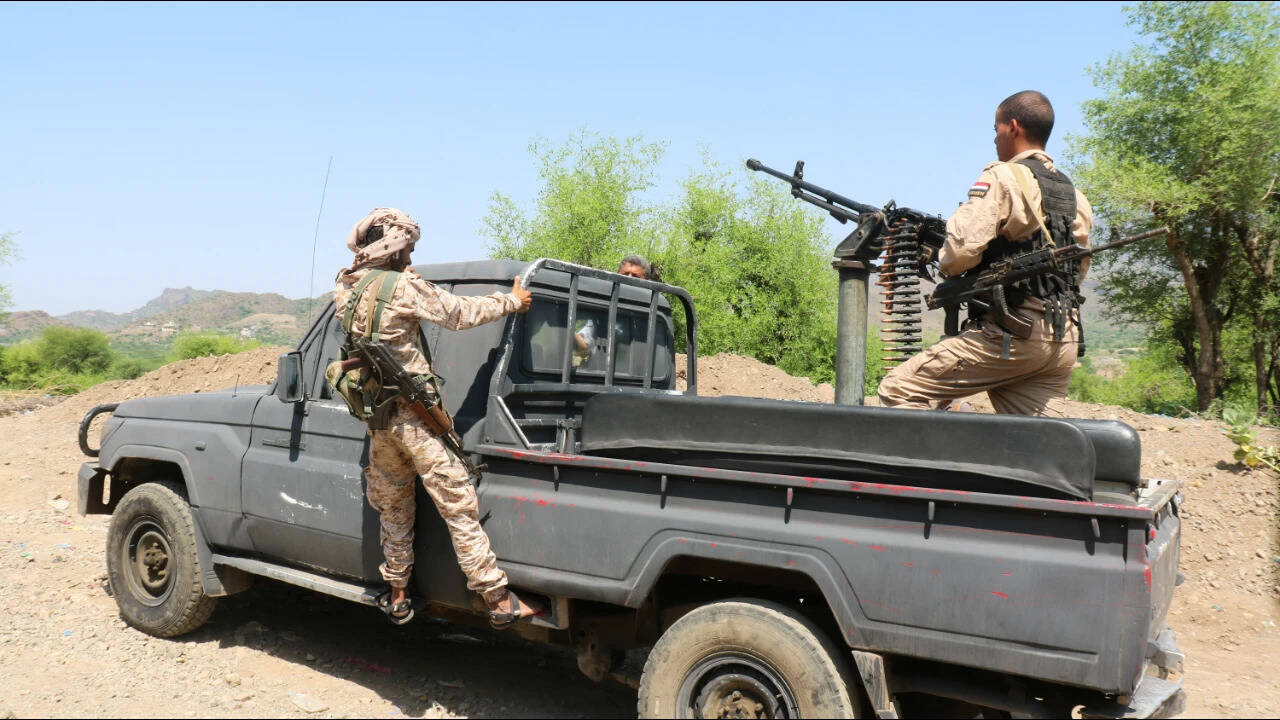
The global economy runs on narrow strips of water. When shipping lanes choke, supermarket shelves empty and energy prices spike thousands of miles away. That reality sits at the center of the ongoing military escalation in Yemen, where the launch of Operation Dawn of Yemen has transformed a localized civil war into a high-stakes scramble for control over the Bab el-Mandab Strait.
If you've been following maritime security headlines, you know about the constant threat to commercial tankers passing through the southern Red Sea. But the real story isn't just about drones and interceptors. It's about a fragile coalition trying to hold back a relentless Houthi advance while internal fractures threaten to collapse the entire defensive line.
What Operation Dawn of Yemen Actually Tried
Why Operation Yemen Dawn Changes Everything in the Red Sea
news
Control over strategic global waterways is slipping away from traditional superpowers, and the launch of Operation Yemen Dawn proves it. When the Saudi-led coalition steps up to secure the Red Sea against Houthi threats, it isn't just a regional skirmish. It marks a complete shift in how maritime security operates when international fleets struggle to keep vital shipping lanes open.
You hear plenty of noise about supply chain disruptions, but nobody talks enough about the sheer tactical difficulty of policing these coastal waters. The Bab el-Mandeb strait handles millions of barrels of oil and billions in cargo daily. When non-state actors start firing anti-ship missiles and launching drone swarms from rugged coastal terrain, standard naval deterrence fails. The coalition's intervention aims to fix that exact vulnerability by bringing ground-level pressure to bear against launch sites instead of just playing defense out at sea.
The Real Cost of Red Sea Instability
Shipping companies aren't absorbing higher insurance rates quietly. They pass those costs straight to you. Every container rerouted around the Cape of Good Hope adds weeks to transit times and burns massive amounts of fuel.
Most commentary misses the physical reality of the coastline. Yemen features jagged mountains, deep valleys, and thousands of hidden coves. Fighting a maritime insurgency from land requires local intelligence, boots on the ground, and heavy air support working in tight synchronization. That is why outside naval task forces alone hit a wall. They can shoot down incoming drones, but they cannot root out the infrastructure supplying them.
What Operation Yemen Dawn Actually Targets
Military analysts often get bogged down in equipment specs while ignoring logistics. Operation Yemen Dawn focuses heavily on cutting off supply lines running through coastal hubs.
- Intercepting illicit small-craft transfers carrying missile components.
- Securing key ports that serve as staging areas for drone attacks.
- Coordinating air assets with ground forces to deny operational depth to insurgent groups.
If you look at past campaigns, air strikes alone rarely stop determined fighters who can pack up their gear and move inland within minutes. Ground-based counteroffensives change the math completely. They force defenders to choose between holding territory or losing their heavy assets.
The Broader Geopolitical Fallout
Regional powers are drawing new lines in the sand. Riyadh cannot afford a permanent security vacuum on its southern border, especially with global trade hanging by a thread.
Tehran's proxy network relies on plausible deniability, but operations targeting the actual logistics hubs puncture that shield. When regional coalitions take the initiative, Washington's role shifts from primary enforcer to logistical backstop. That changes the diplomatic leverage across the entire Middle East.
Don't expect overnight stabilization. Insurgencies adapt quickly to conventional military pressure by scattering into smaller cells and relying on asymmetric tactics. Watch the shipping traffic data instead of official press releases. The moment insurance premiums drop and major carriers return to the Suez route, you will know the campaign is actually working. Keep an eye on port throughput in Aden and Hodeidah because those numbers tell the true story of who controls the shore.