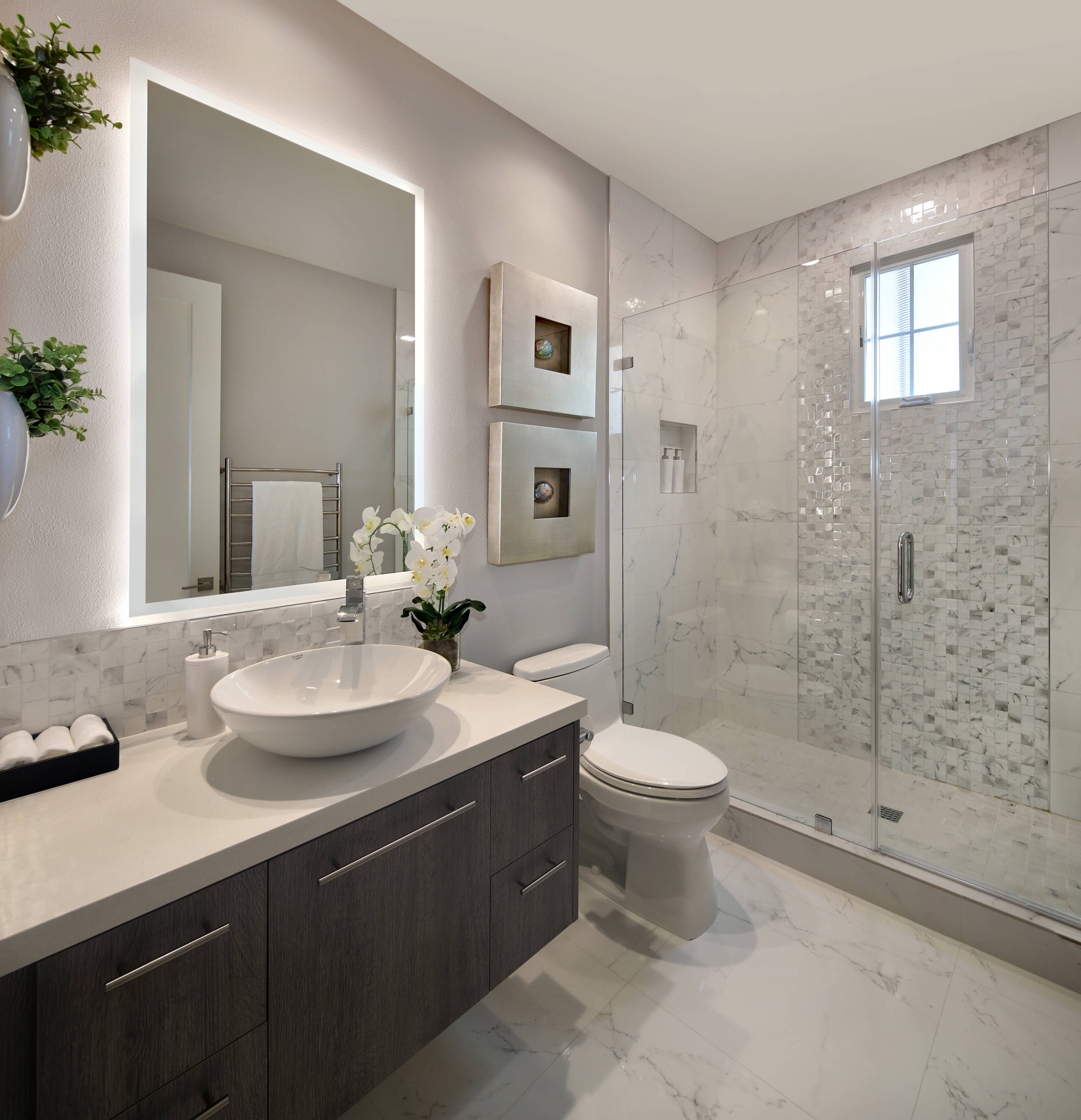
The fluorescent hum above stall number three never stops. It is a constant, low-frequency electrical drone that vibrates right behind the temples, matching the exact rhythm of a stress migraine.
To the rest of the corporate floor, Maya is simply away from her desk. Her Slack status sits in that cheerful green dot configuration, courtesy of a weighted mouse jiggler sitting on her kitchen counter at home, or a strategically placed paperclip wedged into her laptop’s spacebar at the office. But Maya is not working. Maya is sitting on the cold, gray-tiled floor of a fourth-floor restroom, her knees pulled tight against her chest, listening to the muffled echo of high heels clicking against porcelain sinks. In other updates, take a look at: Why Breaking the Paycheck to Paycheck Cycle Takes More Than Budgeting.
She is twenty-four. She makes fifty-five thousand dollars a year, lives with two roommates in an apartment where the kitchen sink backs up every time it rains, and she is crying so quietly that her breath barely fogs the air.
This is not a failure of character. This is the modern workplace. ELLE has also covered this fascinating topic in great detail.
According to recent reports circulating through media channels, a quiet, desperate migration is happening across office parks and downtown high-rises. Stressed Gen Z employees are regularly slipping away from their desks not for coffee, not for unauthorized smoke breaks, but to find dark corners, stairwells, and bathroom stalls where they can cry, hyperventilate, or grab a twenty-minute panic nap on a concrete floor.
We built offices designed to maximize output and forgot to build them for human lungs.
The Architecture of Exhaustion
Look closely at the modern open-plan office. It is an engineering marvel born of cost-cutting and a profound misunderstanding of human psychology. Rows of narrow desks stretch out like a digital rice paddy. There are no walls. There are no doors. There are only acrylic dividers that offer the illusion of privacy while trapping every sigh, every whispered phone call with a landlord, and every sharp, passive-aggressive email notification in a communal acoustic soup.
Noise. Constant, unyielding noise.
For a generation that entered the workforce during the fractured, isolated years of the early 2020s—a time when university lectures were broadcast from kitchen tables and first jobs started behind laptop webcams—the sudden transition to a five-day-a-week, fluorescent-lit fishbowl is nothing short of sensory violence.
Consider the math. A twenty-four-year-old analyst commuting forty-five minutes each way, spending eight hours under artificial glare, managing a backlog of unread emails that regenerates faster than a hydra's head, is operating at a permanent cognitive deficit. When your nervous system stays locked in a state of low-grade, chronic fight-or-flight, your body eventually stops asking for permission to crash. It simply takes it.
Hence, the strategic bathroom retreat.
When Maya first started doing this last autumn, she felt like a criminal. She would check her reflection in the mirror, splash cold water over her burning eyes, and rehearse a casual face for the walk back to her pod. She worried someone would notice the missing twenty minutes. She worried her manager would look at her utilization metrics and see a blip of inactivity.
Then she noticed something that chilled her even more.
She wasn't the only one.
The Unspoken Protocol of the Stairwell
On the second-to-last landing of the emergency stairwell, past the heavy fire door where the sensor light takes three seconds too long to click on, you can map the emotional geography of corporate America.
There is an unspoken etiquette to these hidden spaces. People do not make eye contact. If you walk past a colleague curled up with their forehead pressed against their knees on a concrete step, you keep walking. You do not ask if they are okay. You pretend you never saw them, granting them the ultimate professional courtesy: the dignity of unseen grief.
This is what happens when burnout becomes an ambient condition rather than an acute emergency.
We talk about wellness programs with a corporate sheen. Companies hand out vouchers for meditation apps, as if a guided breathing exercise administered through an iPhone can solve the structural claustrophobia of a sixty-hour workweek compounded by student loan debt and skyrocketing rent. We are offered pizza parties to soothe systemic exhaustion. We are told to practice self-care, which usually translates to working out harder so we can endure the strain longer.
It is a cruel sleight of hand. The burden of survival is shifted entirely onto the individual. If you are anxious, download an app. If you are tired, sleep faster. If you are breaking down under the weight of an unlivable financial landscape, clearly you just need better time management.
The reality is starkly different. You cannot mindfulness your way out of a broken equation.
Why the Youngest Workers Are Breaking First
Older generations often look at these behavioral shifts with a mixture of bewilderment and condescension. They talk about paying dues, about long hours in the trenches, about the grit required to climb the corporate ladder.
They are missing the point entirely.
The economic reality facing twenty-somethings today bears almost no resemblance to the one their parents navigated at the same age. The cost of entry into basic financial stability—housing, healthcare, education—has outpaced wage growth by orders of magnitude. To secure a modest apartment, you need a guarantor, a pristine credit score, and a salary that entry-level jobs rarely provide.
Every single work task carries an invisible, terrifying weight. If Maya makes a mistake on a spreadsheet, it doesn't just mean a bruised ego; it feels like a step closer to eviction, to moving back home in defeat, to permanent economic precarity.
When the stakes are that high, every single email feels like a minor crisis. Every manager's frown feels like an existential threat.
So the body rebels. It shuts down. It demands a hard reset in the only place management cannot monitor: behind a locked wooden door with a vacant-occupied latch.
The Cost of the Mask
There is a profound exhaustion that comes from maintaining the performance of competence while your internal world is unraveling.
For eight hours a day, young professionals perform enthusiasm. They use exclamation points in Slack messages where a period would feel too blunt. They nod knowingly during all-hands meetings that could easily have been emails. They smile through performance reviews that tie cost-of-living adjustments to impossible metrics.
The mask is heavy. By two in the afternoon, the muscles in the face begin to ache from holding it up.
When Maya slips into the bathroom stall, she is finally allowed to drop the mask. There is no one to impress. No metric to hit. No client to appease. There is only the cool tile against her back, the rhythmic drip of a leaky faucet somewhere down the line, and the quiet permission to fall apart for ten uninterrupted minutes.
We must ask ourselves what kind of culture we are breeding when basic emotional regulation requires cloak-and-dagger operational tactics. When finding a moment of peace at work requires the stealth of a spy avoiding enemy surveillance.
The corporate world loves to talk about innovation, agility, and human-centric design. Yet it builds environments where a worker needing to catch their breath must hide in a lavatory like a fugitive.
The Reclamation
Change does not start with another wellness webinar or a mental health pamphlet distributed by HR. It starts with radical honesty about the conditions we have normalized.
It starts when a manager notices a team member’s shoulders dropping toward their ears and simply says, "Log off. Go home. The work will still be here tomorrow." It starts when leadership acknowledges that human beings are not lithium-ion batteries designed to discharge at maximum capacity until they brick.
Until then, the stairwells will remain occupied. The bathroom floors will stay cold.
Maya sits up. She wipes her cheeks with the rough brown paper towels that smell faintly of industrial cleaner. She checks her phone—no missed messages, no urgent pings. She takes one long, shuddering breath, pushes open the heavy metal door, and steps back out into the bright, buzzing light.
The green dot stays green. But underneath the surface, something has shifted, and it will take a lot more than a productivity hack to fix it.