You are looking at a map of South Asia and wondering why a single highway block in Balochistan just triggered global headlines. It isn't just another localized skirmish. It's a massive escalation that exposes deep vulnerabilities in regional security. When armed groups halt traffic on major transit routes and torch dozens of vehicles, the shockwaves hit supply chains, government stability, and international observers all at once.
Let's break down what actually happened, why it matters right now, and what most mainstream reports completely miss about the evolving conflict dynamics in Pakistan's largest and most resource-rich province.
The Reality on the Ground
Data from recent security assessments shows a sharp spike in coordinated assaults across multiple districts in Balochistan. The recent highway blockades weren't spontaneous riots. They were meticulously planned tactical operations designed to paralyze key logistical corridors.
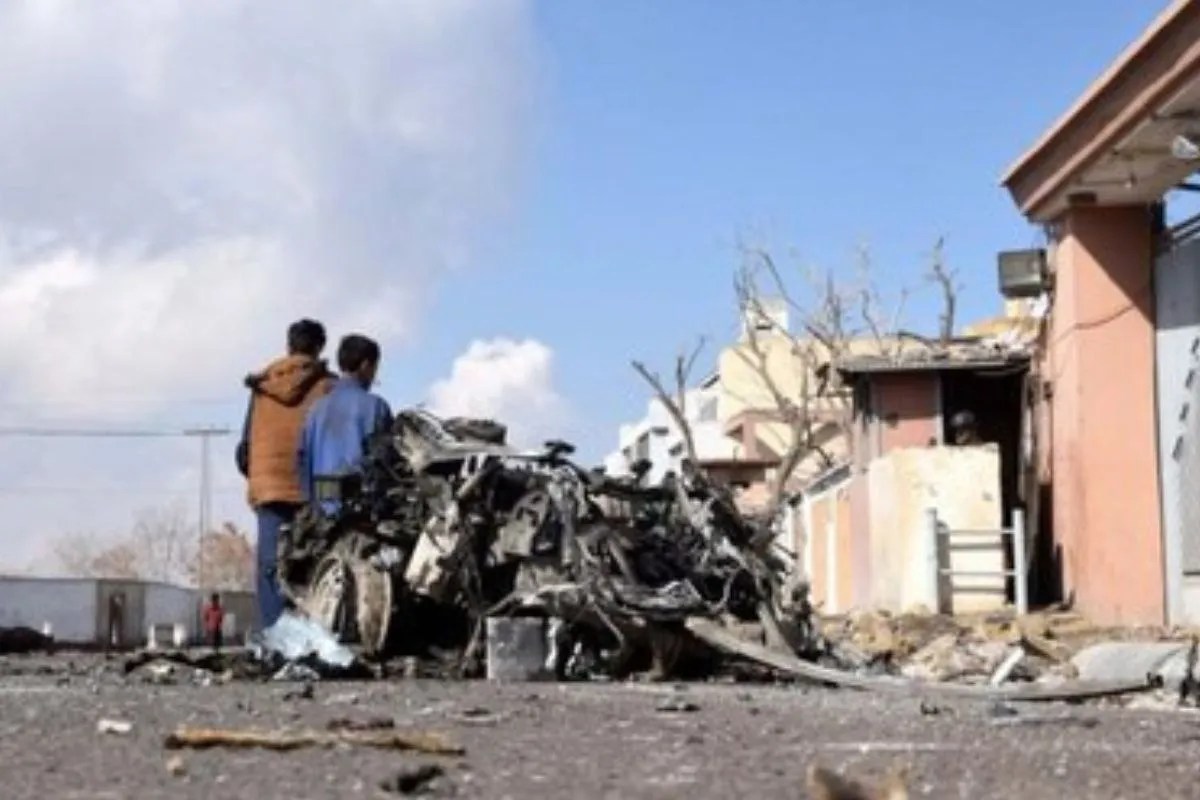
Armed fighters targeted security personnel, set fire to over two hundred vehicles including commercial trucks and transport carriers, and inflicted significant casualties among security forces. When you block vital trade routes, you aren't just fighting an army. You are choking the economic lifeline of the entire country.
Why target transport trucks? It's simple math. Disrupting trade undermines state authority faster than a direct base assault. It sends an unmistakable signal to Islamabad and foreign investors alike: major infrastructure projects remain dangerously exposed.
Historical Grievances Meet Modern Tactics
To understand why these attacks keep happening, you have to look beyond the immediate violence. Balochistan has suffered from decades of political alienation and economic neglect. Local populations frequently argue that the province supplies massive amounts of natural gas and minerals to the rest of the country, yet local communities see very little of that wealth trickle down.
Insurgent groups like the Balochistan Liberation Army have evolved. They aren't hiding in caves with outdated gear. They use sophisticated communication networks, coordinated ambush tactics, and swift exit strategies. They blend local grievance with asymmetric warfare.
Government responses historically relied heavily on kinetic force—crackdowns, curfews, and increased troop deployments. Yet, decades of military-first strategies haven't solved the underlying crisis. In fact, many analysts argue that heavy-handed security measures only deepen local resentment, pushing more young people toward radical factions.
Economic Fallout and Regional Stability
The burning of hundreds of vehicles isn't just a dramatic image for television screens. It represents catastrophic financial losses for transport companies, independent drivers, and commercial traders. Insurance costs for moving goods through the region are skyrocketing.
Furthermore, international stakeholders—particularly nations invested in massive regional connectivity corridors—are watching nervously. Security risks threaten to stall multi-billion-dollar development initiatives. If investors cannot guarantee the safety of their personnel and cargo, projects grind to a halt.
Governments hate economic instability more than anything else. When supply routes become war zones, inflation rises, panic spreads, and political pressure mounts on leadership in Islamabad to deliver immediate solutions.
What Comes Next for the Region
Expecting a quick military victory is unrealistic. Insurgencies rooted in deep socio-economic grievances rarely vanish through force alone. A sustainable resolution requires genuine political dialogue, transparent resource sharing, and a serious commitment to addressing the human rights concerns of everyday Baloch citizens.
Until political leaders shift from a purely security-driven mindset to inclusive governance, highways across the province will remain vulnerable. The smoke from burned transport trucks may clear, but the underlying fire of discontent continues to burn beneath the surface. Keep a close eye on policy shifts in Islamabad over the coming months. That is where the real turning point will happen.