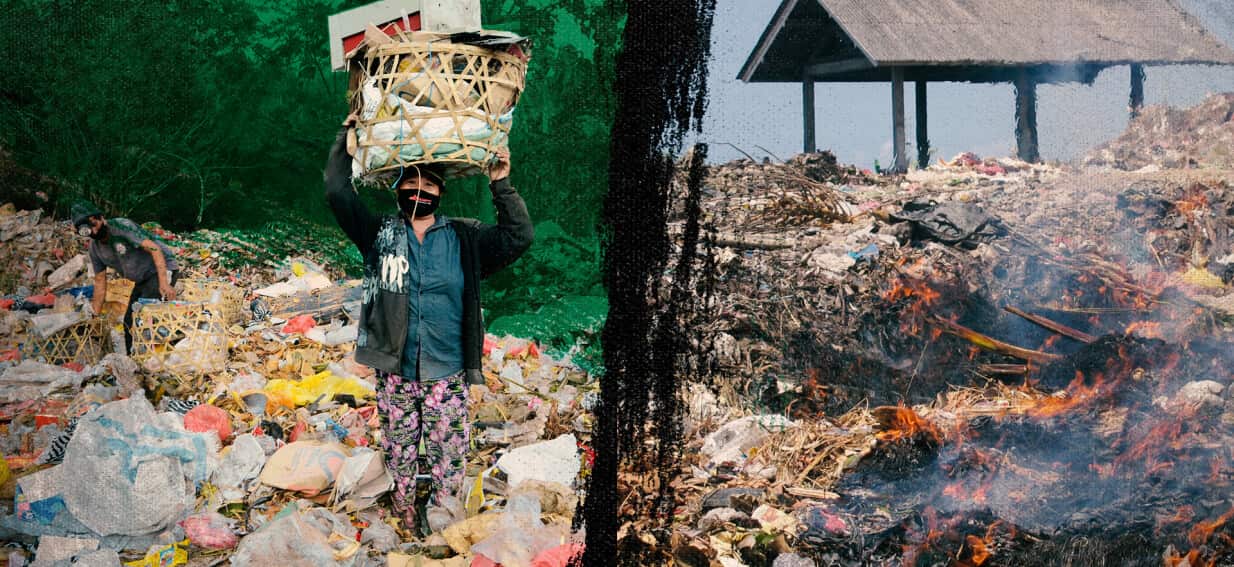
For decades, millions of travelers packed their bags for Bali seeking an affordable tropical escape, unaware that the island's charm was quietly subsidizing an ecological reckoning. The primary destination for international holidaymakers is undergoing a profound structural shift that goes far beyond simple tourism growth. Over-tourism, unchecked real estate expansion, and severe water scarcity are reshaping the landscape of this Indonesian province. Behind the picturesque Instagram posts and luxury beach clubs lies a stark reality of depleted aquifers, crumbling infrastructure, and a local population caught in the crossfire of rapid commercialization.
+-------------------------------------------------------------+
                 BALI UNDER PRESSURE
+-------------------------------------------------------------+
|  Mass Tourism Influx  --->  Infrastructure Strain           |
|  Unchecked Resort Dev --->  Aquifer Depletion & Sea Intrusion|
|  Economic Dependence  --->  Vulnerability to Market Shifts  |
+-------------------------------------------------------------+
The Economic Mirage and Local Disconnect
Tourism represents the lifeblood of the regional economy, yet the financial mechanics are fundamentally skewed. When international visitors spend money on accommodation, dining, and excursions, a significant portion of that capital leaks out of the local ecosystem. Major multinational chains, foreign investors, and absentee landlords siphon profits away from the island.
Local small business owners face staggering rent hikes as commercial land values skyrocket. Traditional family compounds, held for generations, are surrounded by towering concrete structures. The traditional economy built on agriculture and small-scale trade struggles to coexist with high-end luxury developments that cater exclusively to affluent transients.
- Land Conversion: Fertile rice paddies vanishing beneath concrete foundations at an alarming rate.
- Wealth Leakage: Foreign-owned hospitality groups retaining the majority of tourist revenue.
- Displacement: Indigenous residents pushed further inland due to prohibitive coastal real estate costs.
The Invisible Crisis Beneath the Surface
Water is running out. This is not a distant hypothetical threat, but a daily emergency unfolding across the southern Bukit Peninsula and Canggu. Luxury villas with sprawling infinity pools demand vast quantities of fresh water, draining aquifers faster than seasonal monsoons can replenish them.
Saltwater intrusion has begun contaminating freshwater wells in coastal communities. When freshwater is pumped out faster than nature replaces it, the surrounding ocean seeps into the underground water table. Locals now find their well water brackish and undinkable.
[Normal Aquifer Balance]
Rainfall ---> [ Underground Aquifer ] <--- Controlled Extraction (Balanced)

[Current Crisis State]
Heavy Resort Demand ---> [ Depleted Aquifer ] <--- Ocean Saltwater Seeps In
The Waste Management Breakdown
Infrastructure has completely failed to keep pace with construction. Mountains of plastic waste accumulate along riverbeds and wash up on pristine beaches during monsoon season. Landfills operate far beyond capacity, creating toxic fires that smolder for weeks, releasing hazardous pollutants into the air breathed by residents and visitors alike.
- The Treatment Gap: The vast majority of properties lack connection to a centralized sewage treatment plant.
- Greywater Runoff: Unfiltered wastewater frequently makes its way directly into local rivers and popular surf breaks.
- Single-Use Reliance: Despite regional bans, plastic packaging remains deeply entrenched in daily supply chains.
Regulatory Lapses and Enforcement Failures
Local government officials find themselves trapped between economic survival and environmental preservation. Policies exist on paper to protect zoning laws, agricultural green zones, and sacred temple boundaries. Enforcement remains weak, inconsistent, and frequently undermined by corrupt practices.
Developers routinely bypass environmental impact assessments. Bribes grease the machinery of approvals, allowing massive concrete structures to rise where zoning strictly forbids them. By the time municipal authorities issue a stop-work order, the building is already finished and occupied.
The Social Fabric
The transformation extends past physical infrastructure into the cultural core of the island. Balinese Hinduism dictates a delicate balance between humans, nature, and the spiritual realm. Mass commercialization monetizes sacred rituals, turning deeply personal religious ceremonies into tourist spectacles.
Younger generations face a difficult choice. They can abandon traditional livelihoods to work low-wage service jobs in hotels, or watch their ancestral lands get swallowed by foreign development. The traditional community councils, known as banjars, fight a losing battle to preserve local autonomy against the tidal wave of global capital.
Change is inevitable, but the current trajectory points toward irreversible degradation. Protecting what remains requires radical policy enforcement, a moratorium on new large-scale hotel builds, and a complete overhaul of waste and water management systems before the paradise completely consumes itself.