Trade negotiations between Canada and the United States are hitting a wall. With an aggressive tariff deadline looming, the core friction point comes down to a single, high-stakes industry. If automotive manufacturing gets left out of a bilateral agreement, Canada's manufacturing backbone faces unprecedented collapse.
Brampton Mayor Patrick Brown recently captured the mood of industrial towns across the country, stating plainly that no deal is better than a bad deal if the auto sector is carved out. When thousands of assembly jobs and complex regional supply chains hang in the balance, compromise looks a lot like surrender.
The Stakes for Industrial Hubs Like Brampton
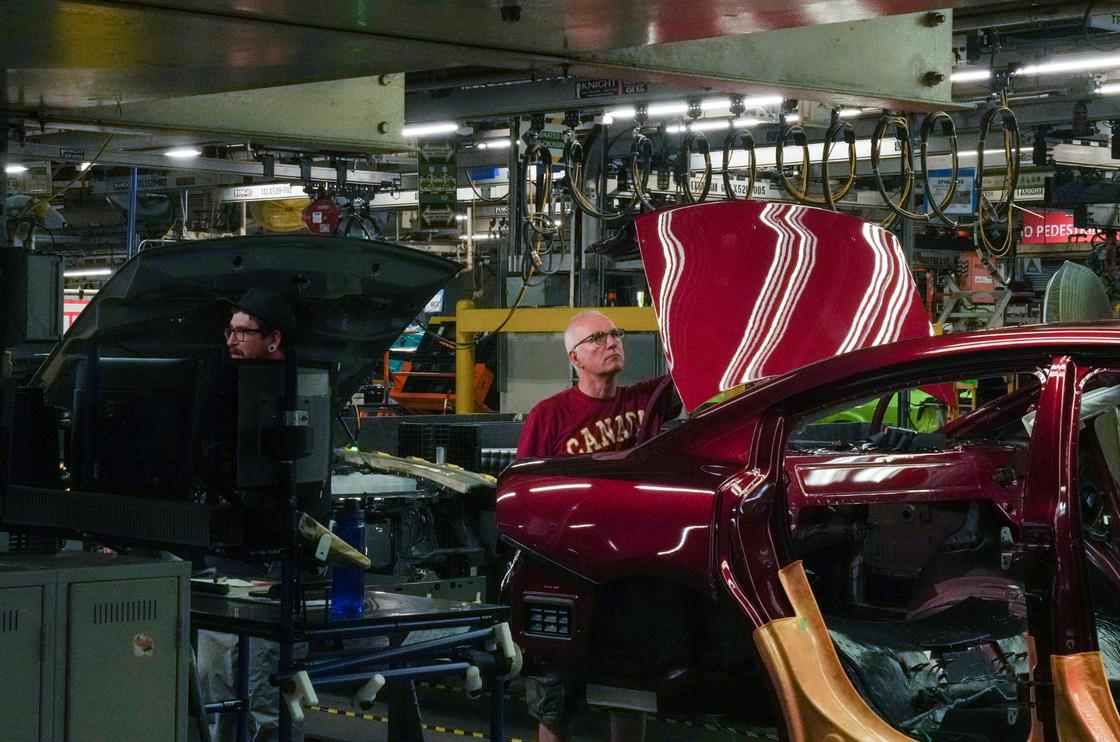
Communities built around heavy industry don't recover overnight from sudden policy shifts. In cities like Brampton, the threat isn't abstract. Stellantis previously signaled plans to shift future production of the Jeep Compass to Illinois, leaving local leaders scrambling to protect thousands of direct assembly workers and countless more in the surrounding parts supply chain.
Local municipal leadership has tried to lock down industrial land exclusively for manufacturing, passing municipal zoning rules to prevent companies from flipping shuttered plants for a quick real estate profit. But local zoning bylaws cannot stop macroeconomic fallout. When tariff walls rise and cross-border trade terms sour, factories close.
Unifor national president Lana Payne and labor representatives have echoed these warnings, urging federal negotiators to hold the line. Giving up ground on automotive safeguards to rush a signature on a weak trade agreement sets a dangerous precedent.
The Reality Behind Washington Trade Pressure
The White House continues to wield tariffs as leverage over border enforcement, dairy quotas, and alcohol access on provincial retail shelves. Yet tying unrelated policy grievances to integrated automotive supply chains ignores how modern manufacturing actually functions. North American cars are built across borders. Parts cross international boundaries multiple times before a vehicle rolls off the assembly line.
Slapping massive punitive tariffs on these integrated components doesn't punish an adversary; it taxes domestic consumers and dismantles shared industrial capacity. U.S. and Canadian negotiators in Washington may spend hours reviewing tariffs on a line-by-line basis, but technical discussions mean little if the political will to protect free trade in vital sectors disappears.
What Needs to Happen Next
Canadian leadership faces a narrow window. Walking away from a lopsided agreement takes courage, but accepting an exclusion of the auto sector guarantees long-term decline.
If you're watching the current trade standoff unfold, pay attention to whether automotive exemptions remain intact as the deadline approaches. Stand firm against deals that sacrifice domestic manufacturing for short-term political convenience. True economic security requires protecting the industrial workers who build North America's economic engine.