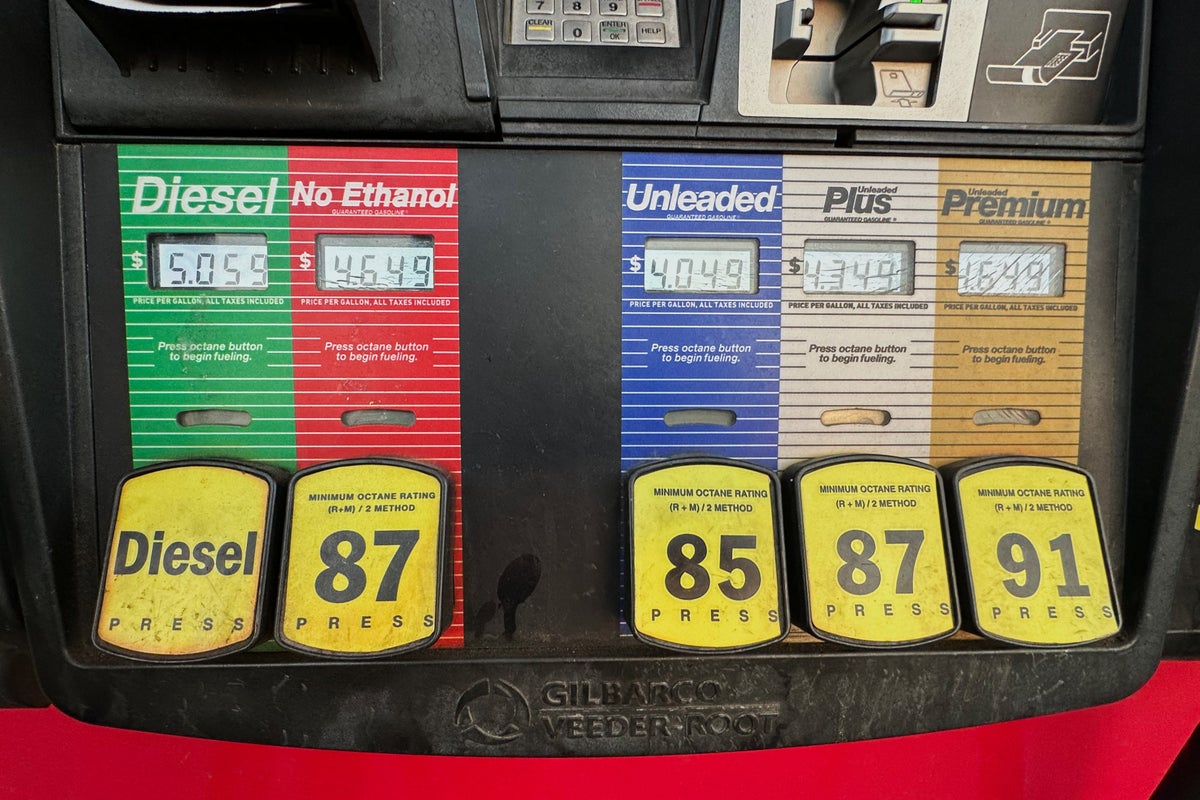
You pull up to the pump, look at the digital numbers spinning past four dollars, and wonder when filling up your car stopped feeling like a routine errand and started feeling like a luxury tax. Right now, middle-of-August gas prices are shattering historical norms for this specific time of the calendar year.
If you think you are paying more than usual for mid-August, you are not imagining things. AAA data points to a stubborn national average hovering well above the four-dollar mark, a threshold we rarely see this late into the summer driving season. Behind this financial squeeze is a messy collision of geopolitical conflict, most notably the ongoing fallout from the U.S. military engagement with Iran and the resulting chokehold on the Strait of Hormuz.
Let's break down why your wallet is taking a beating and what is actually driving these costs.
The Strait of Hormuz Chokepoint Effect
To understand why fuel costs refuse to drop, you have to look at a narrow stretch of water thousands of miles away. Roughly twenty percent of the world's petroleum supply moves through the Strait of Hormuz. When conflict flared up between Washington and Tehran, shipping lanes locked down, blockades went into effect, and global energy markets panicked.
Even when temporary ceasefires or diplomatic pauses flicker on and off, the underlying infrastructure remains rattled. Crude oil benchmarks swing wildly every time a piece of news breaks out of the Middle East. Refineries cannot simply switch sources overnight. When crude prices jump by thirty percent or more compared to earlier in the year, those costs trickle down to your local gas station with ruthless speed.
President Donald Trump has publicly insisted that energy prices will plunge once the conflict completely resolves, claiming victory is near. But drivers living through the reality of a four-dollar-plus average cannot wait for promises. Every time a peace deal collapses, like the one that unraveled in July, oil futures rebound immediately.
How State Taxes and Logistics Create Massive Gaps
National averages only tell half the story. If you live in Oklahoma or parts of the South, you might be filling up for around three dollars and fifty cents a gallon. Cross into Washington, Hawaii, or California, and you are staring down prices ranging from five-and-a-half to over six dollars a gallon.
State-specific taxes and local environmental fees create massive gulfs between regions. California tacks on heavy state fees, meaning drivers there carry a much heavier burden when global oil shocks hit. Meanwhile, administration maneuvers like waiving the Jones Act or releasing emergency oil reserves have offered mixed, temporary relief. Strategic petroleum reserves sit at their lowest points in decades, leaving the federal government with fewer safety nets if supply lines face another major disruption.
The Ripple Effect Across Your Entire Budget
Higher fuel costs never stay contained at the pump. When diesel and gasoline prices spike, transportation networks absorb the blow. Trucking companies pass those expenses onto retailers, which translates directly to higher prices for groceries, clothing, and shipped goods.
Airlines are feeling the exact same pressure. Jet fuel prices soared significantly compared to pre-war baselines, forcing carriers to bake those costs into airfares and baggage fees. Even though broader consumer price index reports show headline inflation cooling slightly to 3.4 percent, the everyday cost of living remains stubbornly high because energy inputs dictate the price of almost everything else. Farmers face steep fertilizer and machinery fuel hikes, squeezing agricultural margins and keeping grocery bills elevated.
How to Protect Your Wallet Right Now
You cannot control foreign policy or open up the Strait of Hormuz yourself. You can, however, change how you manage fuel consumption while these high prices persist.
- Audit your daily driving habits: Combine errands into single trips rather than making multiple runs during the week. Cold starts and short neighborhood drives burn disproportionately more fuel.
- Track local price differences: Use fuel-tracking apps to find cheap stations nearby. Gas prices can swing by thirty cents or more between stations just a few blocks apart.
- Maintain your vehicle: Check your tire pressure weekly. Under-inflated tires drag down fuel efficiency significantly, costing you extra money over the course of a month without you realizing it.
Keep an eye on global crude inventories and regional refinery output over the coming weeks as summer transitions into fall. Until shipping lanes through the Middle East stabilize permanently, expect volatility to remain the only constant at the pump.