Wearing a vest marked "PRESS" on both sides didn't protect veteran photojournalist Heidi Levine when masked Israeli settlers ambushed an olive harvest near Abu Falah in the occupied West Bank on October 16, 2026.
She was knocked down, kicked repeatedly, beaten with sticks, and robbed of her cameras, phone, wallet, and passport while covering Palestinian farmers trying to bring in their autumn crop. Video footage from the scene spread quickly online, turning a brutal local assault into an international flashpoint.
Look closer, though, and the shock isn't just that a veteran Washington Post photographer got hurt. It's how routine this violence has become during harvest season, and how little accountability usually follows.
Why the West Bank Olive Harvest Turns So Violent
Every October and November, the olive harvest is supposed to anchor rural Palestinian livelihoods and family life. Instead, it has become one of the most dangerous stretches of the calendar in the West Bank.
Since late September 2026, Israeli rights group Yesh Din documented at least 170 settler attacks tied to the surge around the harvest, with thousands of trees damaged and Palestinian authorities reporting at least four deaths and over a hundred injuries across roughly a month. New Israeli restrictions barring Palestinians from harvesting in parts of Area C—which makes up most of the agricultural land in the West Bank—have only raised the friction.
When journalists show up in those groves, they aren't treated as neutral observers. Cameras record stone-throwing, arson in the trees, and clashes near military patrols, which makes press crews immediate targets for people who don't want witnesses.
A Pattern Reaching Foreign Correspondents
Local Palestinian reporters have borne the brunt of press danger across the region for years. What shifted headlines in October 2026 was the sheer frequency of assaults hitting international photographers and diplomats within days of one another.
According to the Committee to Protect Journalists, at least 27 incidents affected 38 journalists in Israel and the occupied Palestinian territory during October 2026 alone—spanning settler attacks, army detentions, injuries from Israeli forces, and field obstructions. Levine's beating came just ten days after Agence France-Presse photographer Jaafar Ashtiyeh was also badly injured by settlers.
Honestly, anyone who has followed West Bank reporting knows the old assumption that a foreign press pass or American citizenship buys a safety bubble. Out in an olive grove with rocks flying and vehicles nearby, "PRESS" letters don't stop a crowd.
What Happened Near Abu Falah and Why Accounts Clash
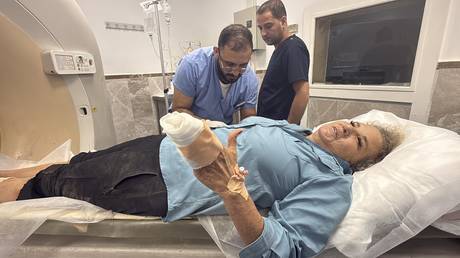
Witnesses and fellow reporters described attackers coming down from a nearby hilltop, dressed in black and masked, throwing rocks, setting groves alight, and beating villagers and reporters. Levine later said from a hospital in Ramallah that her helmet and flak jacket likely saved her life as blows rained down for more than ten minutes before Palestinian colleagues helped pull her free.
Official responses quickly split along familiar fault lines. The Washington Post stressed that Levine was clearly marked as press and demanded a serious investigation, while the Israeli Foreign Press Association called the assault part of a long pattern of unchecked violence.
By contrast, Prime Minister Benjamin Netanyahu's office described the facts around the attack on Levine as "unclear," pointing to a confrontation involving 200 Palestinians and far-left activists alongside Israeli youths while stating opposition to violence against anyone. That gap between on-the-ground video and official framing is a big reason public debate gets stuck before accountability even starts.
Why Arrests Rarely Stick in Settler Attacks
Viral outrage sometimes forces a short-term crackdown. Following the outcry over Levine and attacks on European diplomats, Israeli police detained ten suspects, and Defense Minister Israel Katz announced plans shifting civilian law enforcement responsibility toward police rather than relying solely on military field authority.
Yet within days, nine of those ten detained suspects were freed. That outcome aligns with what human rights monitors and journalists repeatedly point out: high-profile detentions happen after diplomatic pressure, but prosecutions and lasting convictions remain rare.
Part of the problem is jurisdiction and enforcement on the ground, where soldiers and police operate in overlapping roles while witnesses fear retaliation. There's also a genuine political debate inside Israel over policing tactics, settlement expansion, and how far authorities should go against vigilante groups. Still, when suspects walk free almost immediately, deterrence basically evaporates.
Practical Steps When Following or Covering High-Risk Field News
If you're reading coverage from the West Bank—or planning on-the-ground reporting—a few habits save time and keep you grounded in reality:
- Cross-check video against multiple dispatches: Pair raw social clips with reports from established newsrooms, rights groups like Yesh Din, and press monitors like the Committee to Protect Journalists to verify dates, locations, and injuries.
- Watch what happens after the headlines fade: Don't judge accountability by day-one arrests; check whether suspects are charged, released, or quietly let go a week later.
- Never treat press markings as armor: In volatile rural zones, reporters need buddy systems, clear exit routes, protective gear, and pre-planned evacuation points before entering groves or checkpoints.
- Separate eyewitness accounts from official denials: Treat both firsthand testimony and government statements as pieces of the record rather than taking either at face value without corroboration.