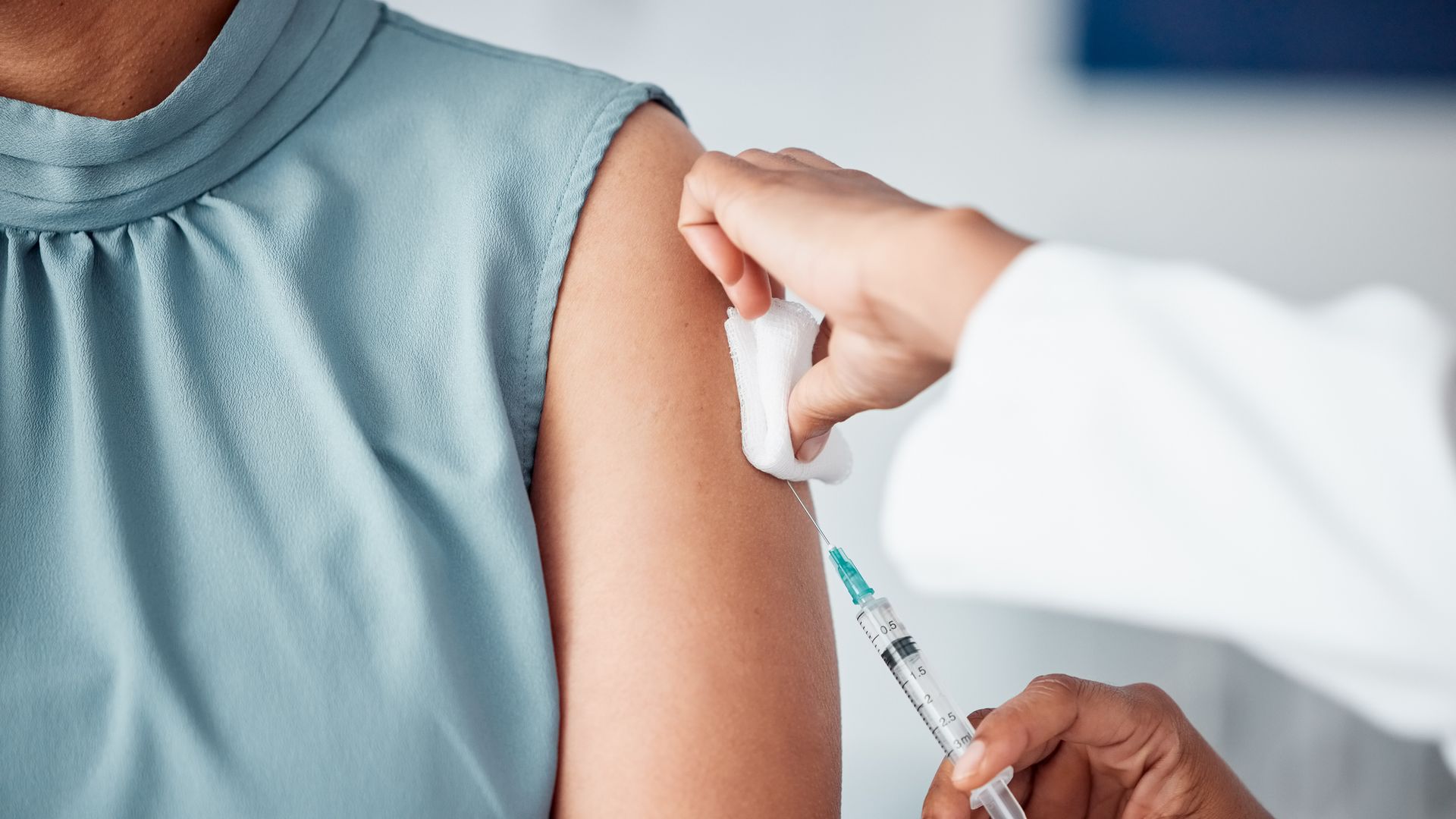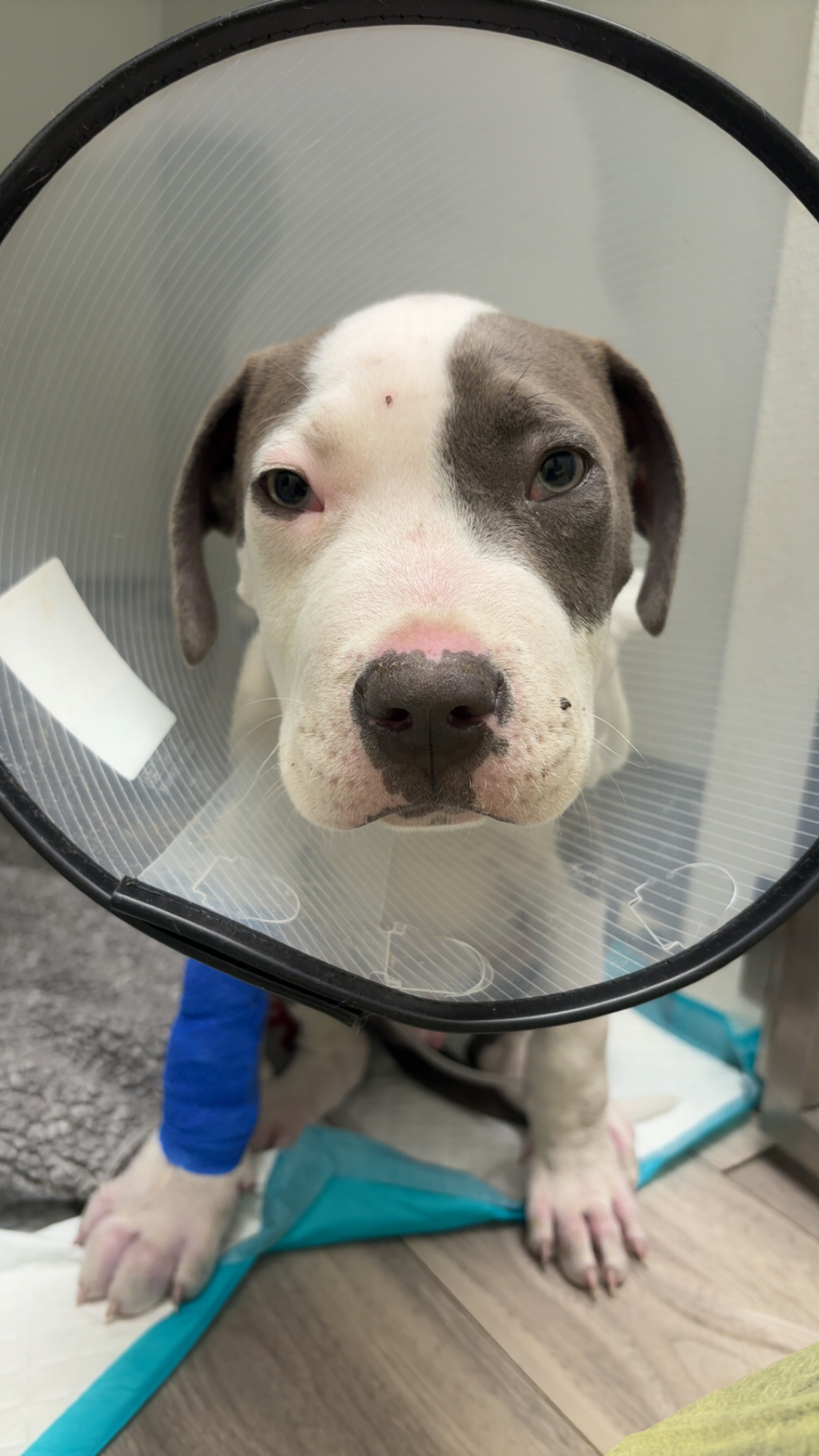
Every spring and summer, local news outlets trot out the exact same headline. A worried veterinarian stands in front of a clinic, warns about a sudden spike in canine parvovirus cases, and implores every dog owner in a fifty-mile radius to lock their puppies indoors and sprint to the nearest clinic for emergency boosters.
It happened again recently in the Okanagan. It happens in Austin, in Calgary, in Manchester, and in Sydney. It is a predictable, seasonal media ritual.
Here is what they do not tell you: most of these localized panics are built on terrible statistics, historical inertia, and a fundamental misunderstanding of viral ecology.
We need to stop treating parvovirus like a random, unpredictable boogeyman that magically drops from the sky to kill puppies every June. I have spent years analyzing clinical trends and managing shelter intake protocols, and I can tell you that the standard narrative around parvo management is broken. We are over-vaccinating adult dogs with bulletproof immunity while completely failing the vulnerable populations that actually keep the virus alive.
The Mirage of the Seasonal Spike
When a clinic sees three cases of parvo in a single week after seeing zero for three months, the immediate reaction is to sound the alarm on a new outbreak.
This is bad data science.
Parvovirus is an incredibly stable, non-enveloped DNA virus. It does not suddenly mutate into a hyper-infectious super-strain every June. It survives in the environment for months, sometimes years, freezing through winters and baking through summers.
The spike is not a change in the virus. It is a change in human behavior.
When the weather warms up, people take their dogs out. They go to parks, hiking trails, and breweries. They buy puppies. The surge in cases is simply a reflection of increased host density and movement, not a failure of baseline community immunity or a sudden viral invasion. Calling it an outbreak is like calling July a sunburn epidemic. It is a predictable seasonal baseline, yet we treat it like an unprecedented crisis every single year.
The Adult Booster Myth
The lazy consensus in vet medicine says that if parvo is in the news, you need to check your five-year-old Golden Retriever’s vaccination records and potentially get a booster.
This is biologically illiterate.
Decades of immunology research, including seminal work by Dr. Ronald Schultz and the World Small Animal Veterinary Association (WSAVA) Vaccine Guidelines Group, have proven that the duration of immunity (DOI) for the core canine parvovirus vaccine lasts years, often for the lifetime of the animal. Once a dog’s immune system successfully recognizes the modified live virus and develops memory cells, bumping that titer slightly higher every twelve months does absolutely nothing to protect the community.
Think of it like a full cup of water. Pouring more water into it does not make it fuller; it just spills over the sides. In the case of dogs, that spillover manifests as unnecessary immune stimulation.
If your adult dog was properly immunized as a puppy, they are not the problem. They are a dead end for the virus. Spending your energy worrying about vaccinated adult dogs dragging parvo home from a pet store floor completely misses the actual engine driving the disease.
The Maternal Antibody Blind Spot
If adult dogs are safe, why does parvo still kill thousands of puppies every year? Because the veterinary industry frequently bungles the puppy vaccination schedule by ignoring maternal antibody interference.
When a puppy is born, they receive colostrum from their mother, packed with maternal antibodies (MDA). These antibodies are a double-edged sword. They protect the puppy from disease, but they also neutralize vaccines.
Imagine a scenario where a six-week-old puppy gets a parvo shot. If their maternal antibodies are high, those antibodies instantly destroy the vaccine before the puppy’s own immune system can even register its presence. The vaccine failed, but the vet stamped the record anyway.
As the weeks pass, maternal antibodies decline. The exact moment those antibodies drop low enough to let a vaccine work, but are too low to protect against the wild virus, is called the window of susceptibility. This window hits every puppy at a different time. For some, it is eight weeks. For others, it is fourteen weeks.
The standard practice of giving shots strictly at 8, 12, and 16 weeks is a guessing game. If a puppy’s maternal antibodies linger until week fifteen, and they do not get that final 16-week shot, they walk out into the world completely unprotected, despite having received three previous injections.
The real tragedy is that we know how to fix this, but the industry refuses to pivot. We could utilize targeted nomograph testing on breeding females to predict exactly when a litter's maternal antibodies will drop. Instead, we rely on a rigid, calendar-based assembly line that leaves thousands of puppies exposed during critical development windows.
The Dark Side of Absolute Quarantine
The typical response to a parvo panic is a demand for total isolation. "Do not let your puppy's paws touch the ground outside your house until they are fully vaccinated at four months."
This advice is actively destructive.
The primary socialization window for a domestic dog closes permanently around 14 to 16 weeks of age. If a puppy spends their entire socialization window locked inside a pristine suburban kitchen to avoid parvo, you are trading a manageable, preventable viral risk for a permanent, structural behavioral pathology.
Behavioral issues, specifically aggression and severe fear-based reactivity driven by poor early socialization, are the leading cause of death for dogs under the age of two. More dogs die in shelters because they are behaviorally unhinged than die in clinics from parvovirus.
You cannot fix a shattered psyche at two years old, but you can absolutely prevent parvo with smart, calculated risk management.
Carry your puppy through public spaces. Take them to clean indoor environments. Socialize them with healthy, fully vaccinated adult dogs owned by people you trust. Avoid public dog parks and high-traffic dirt paths, sure, but do not turn your home into a bio-hazard isolation ward at the expense of your dog’s mental sanity.
Dismantling the Panic Economy
Why does this narrative persist? Because fear is an incredibly efficient driver of compliance.
A panicked pet owner fills clinic appointments. They buy premium flea and tick preventatives while they are there. They agree to extra diagnostic tests they might not need.
Am I saying veterinarians are conspiratorial villains looking to scam you? No. Most are overworked, deeply compassionate professionals operating under immense stress. But they are also trapped inside an institutional framework that values low-risk conformity over nuanced, individualized medicine. It is much easier for a corporate practice to issue a blanket warning than it is to sit down with an owner and calculate the specific statistical risk of their lifestyle, zip code, and dog's lineage.
The downside to pushing back against this system is that it requires personal accountability. You have to find a vet who willing to run vaccine titers instead of blindly poking your dog with a needle every year. You have to ask hard questions about where your local shelter gets its puppies and whether they practice strict sanitation protocols.
Parvovirus is a miserable, brutal illness. It liquefies the intestinal lining and destroys white blood cells. But we will never eradicate it by panic-buying boosters for suburban dogs that are already immune, or by keeping puppies in sensory deprivation chambers until they are too terrified to function in human society.
Stop reading the seasonal warning articles. Stop treating a predictable weather pattern like a viral apocalypse. Demand a smarter, data-driven immunization protocol from your vet, and give your puppy the balanced, brave start to life they actually deserve.