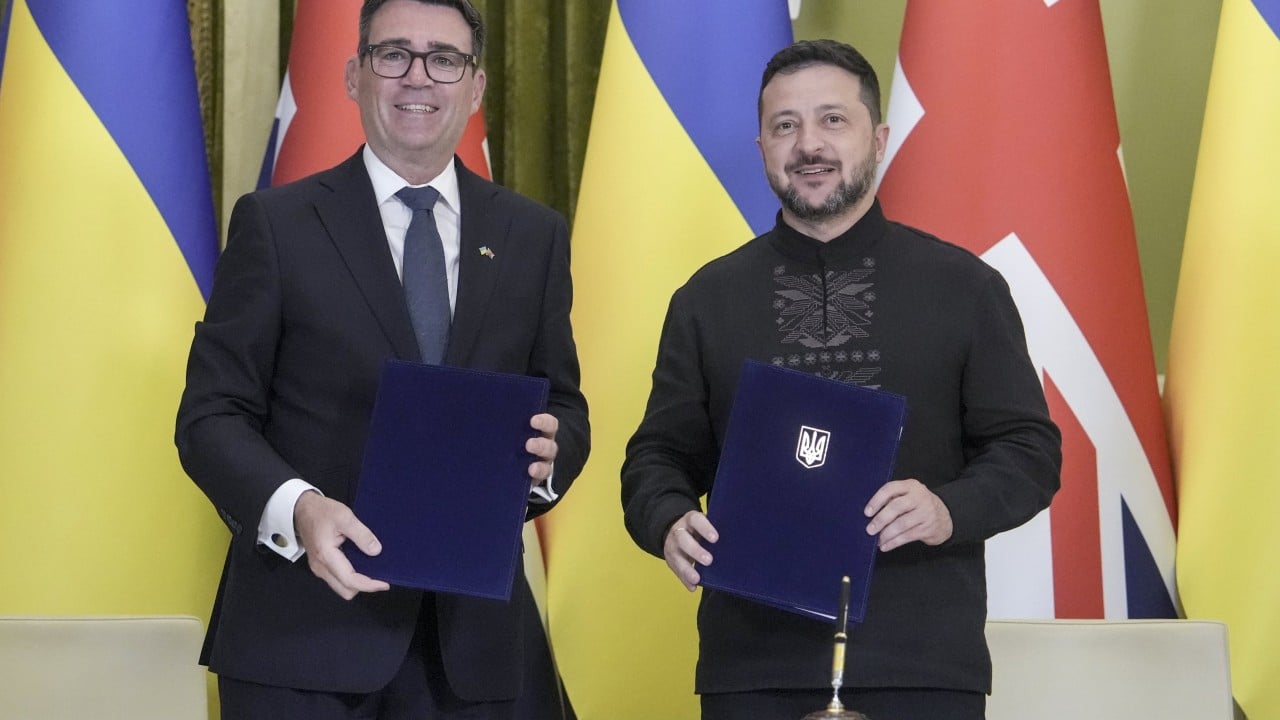
National governments don't hold a monopoly on diplomacy anymore. Andy Burnham is packing his bags for Washington D.C. this September, and he's not going for sightseeing. The Greater Manchester Mayor is heading straight across the Atlantic to lobby Donald Trump and key American policymakers on Ukraine aid. Think about that for a second. A regional UK mayor is bypassing standard Foreign Office channels to secure direct international support for Eastern Europe.
It sounds unusual if you still view global politics through a twentieth-century lens. But politics changed. Mayors now wield actual economic weight and diplomatic gravity. Burnham's upcoming mission highlights a massive shift in how foreign policy gets made. National capitals are too busy arguing or stalling. Local leaders are stepping up because their regional industries, security concerns, and supply chains depend on global stability. Don't miss our earlier coverage on this related article.
Let's look at what's driving this trip, why it matters for Ukraine, and what happens when local politicians start playing on the global stage.
The Manchester Connection to Kyiv
Why does a British regional mayor care so deeply about a war three thousand miles away? Manchester isn't just a cultural hub for music and football. It's an industrial and technological powerhouse with deep international ties. Burnham has consistently positioned Greater Manchester as an outward-looking region. He's tied local economic interests directly to international stability. If you want more about the context here, Al Jazeera provides an in-depth summary.
When supply chains break down or energy prices spike because of foreign conflicts, local taxpayers feel the pain immediately. Mayors deal with the fallout of inflation, housing pressures, and refugee integration on the ground. Westminster politicians debate policies in abstract terms. Local leaders manage the physical reality.
Burnham knows that American political shifts dictate the pace of military and financial aid to Ukraine. If the US administration changes its tune or slows down support, the war drags on. European cities feel that strain instantly. By taking his case directly to American decision-makers, Burnham is doing what any practical CEO would do. He's going straight to the source of supply.
Why Washington is Listening to Regional Mayors
American politics operates on a different frequency right now. Donald Trump's circle cares about tangible outcomes, local economic impact, and straight talk. Traditional diplomatic boilerplate doesn't work on them.
Local leaders possess a unique advantage in these environments. They speak the language of working people, regional growth, and practical governance. When Burnham sits down with US officials, he won't be talking about high-flown geopolitical theories. He will talk about security, industrial capacity, and the practical costs of inaction.
Washington pays attention to figures like Burnham because they represent the pulse of everyday citizens outside the Westminster bubble. US politicians often respect leaders who have to win direct democratic mandates from millions of voters over appointed bureaucrats.
International relations used to be the exclusive club of ambassadors and prime ministers. Today, a mayor with a strong regional mandate carries real leverage.
The Risks of Mayor Diplomacy
Let's be honest about the downsides. Running parallel foreign policies creates friction. Traditional diplomats hate it. The Foreign Office in London often views regional leaders traveling abroad as loose cannons muddying official national positions.
What happens if Burnham's message contradicts the current UK government's diplomatic stance? Diplomacy requires a single, coherent voice. When multiple actors start cutting their own deals or pitching their own strategies to foreign powers, confusion follows.
Critics will call it grandstanding. They will argue that a regional mayor should stick to fixing local transport, housing, and social care. It is a fair critique. Manchester's transit system has plenty of problems. Spending time in Washington D.C. lobbying on Eastern European defense might look like a distraction to voters waiting for a better bus schedule.
Yet, Burnham is betting that foreign policy and local prosperity are no longer separate categories. You cannot separate local economics from global security anymore.
What This Means for the Future of Global Politics
We are watching the decentralization of statecraft. National borders matter less when regional economies are plugged directly into international trade and security networks. Mayors in the US, Europe, and beyond are forming international coalitions, sharing climate strategies, and now, lobbying on defense.
If Burnham's September trip yields results, expect more regional leaders to follow suit. Politicians who want real influence will realize that sitting in a parliament waiting for committee debates is too slow. They will pack their own bags and fly to where the actual decisions get made.
Watch how Washington receives him. Watch how Westminster reacts. The friction between national capitals and regional powerhouses is just beginning. Keep your eyes on the results, not the theater. If local leaders can move the needle on international aid when national governments stall, the old rules of diplomacy are officially dead.
Take a hard look at your own local representatives. Are they focused solely on fixing potholes, or are they starting to understand that local survival depends on the entire global chessboard? The answer will define the next decade of politics.