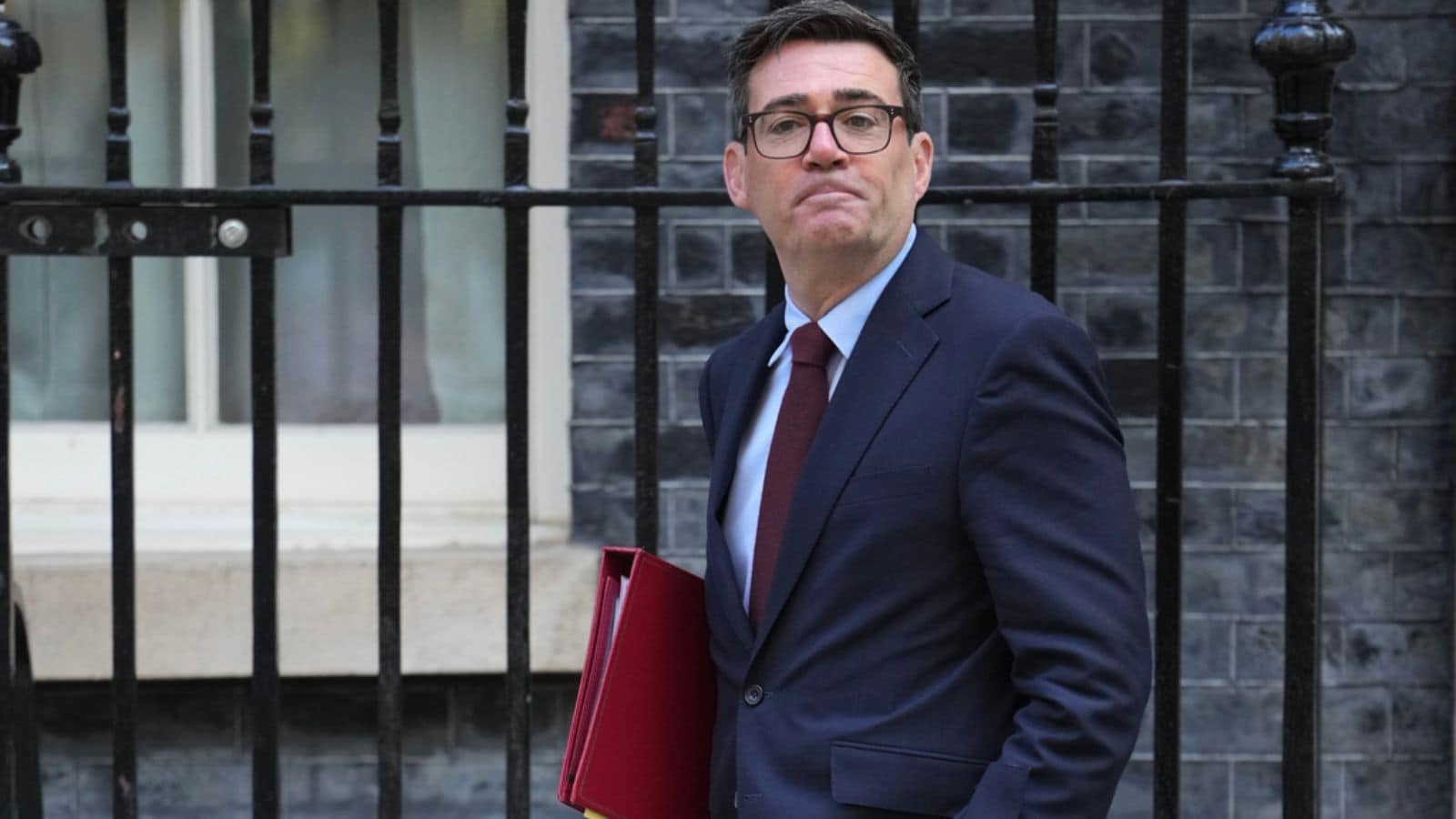
For decades, British politicians have treated adult social care like a ticking time bomb that nobody wants to defuse. Every few years, a white paper appears, promises are made, and the entire system quietly kicks the can down the road while families mortgage their homes to pay for dignity in old age. But the political gravity around this issue has shifted. Prime Minister Andy Burnham’s push for a National Care Service isn't just another polite policy tweak. It is an aggressive attempt to rip off the plaster and completely redraw how Britain looks after its elderly and vulnerable citizens.
If you've ever tried to navigate the labyrinth of council assessments, means-testing, and private care home fees, you already know the current setup is fundamentally broken. It punishes people who saved modest amounts of money, drains local authority budgets to the bone, and leaves care workers on poverty wages. Burnham’s proposed overhaul aims to change that by treating social care with the same foundational urgency as the NHS. But wanting to fix a crisis and actually executing a multi-billion-pound structural transformation are entirely different things.
The Real Reason Social Care Keeps Breaking
To understand why Burnham's shake-up is generating so much friction, you have to look at why every previous reform effort collapsed. The core problem is structural fragmentation. Health is managed nationally through the NHS and funded out of general taxation, while social care is cobbled together through fragmented local councils, private corporations, charities, and out-of-pocket payments.
When someone leaves a hospital bed, they often sit there for weeks because social care packages cannot be arranged fast enough. This bed-blocking costs the NHS a fortune, yet the two systems operate in separate financial silos. Local authorities have watched their funding slashed over the past decade while demand skyrocketed. Social care has essentially become a residual safety net funded by a council tax surcharge that shifts the burden onto local taxpayers, creating a postcode lottery where wealthy areas raise more revenue and poorer areas struggle to provide basic protection.
Burnham has personal history with this fight. Back when he served in previous government roles, his attempts to introduce a funding solution were weaponized by opponents. He learned firsthand that structural reform in social care is politically radioactive. Yet, returning to the center of power with the backing of a major review led by Baroness Louise Casey, he is betting that the public's exhaustion with the status quo outweighs the political risk of upsetting the apple cart.
What Andy Burnham Actually Proposed
The core ambition of the Burnham plan is simple in theory and radical in practice. The goal is to establish a National Care Service that delivers free personal care for older people, grounded entirely on need rather than a person's bank balance. Think of it as extending the core philosophy of the NHS into the living rooms and care homes of an aging population.
Instead of forcing people to sell their houses to pay for washing, dressing, and basic medical support, the state would step in. This means shifting social care from a market commodity driven by thin-margin private providers competing in a race to the bottom into a universal public service.
To get there, the government has fast-tracked independent scrutiny and launched massive public engagement initiatives to map out the transition. But the logistics are staggering. The sector relies heavily on private and voluntary providers. If public funds are restricted or heavily regulated to eliminate profit margins, thousands of private care providers could exit the market overnight unless a clear transition strategy protects continuity of care.
How the Funding Puzzle Gets Solved
You cannot talk about free personal care without confronting the elephant in the room: how to pay for it. Previous attempts to cap care costs or reform the system foundered because treasuries flinched at the price tag. Burnham’s strategy involves looking at long-term fiscal adjustments, notably restructuring commitments like the state pension triple lock so that future increases track economic realities and wage growth over time, channeling savings directly into building up the National Care Service framework.
Critics immediately point out that tinkering with pension guarantees is politically perilous. Pensioners form a massive, highly motivated voting bloc. However, proponents argue that maintaining an unsustainable economic status quo is far more dangerous. Pouring billions into reactive, emergency health interventions because preventative social care is missing makes no financial sense.
The reform package also tackles the workforce head-on. You cannot fix care homes while the people wiping the floors and feeding residents are earning less than supermarket checkout staff. Expanding fair pay agreements, creating standardized training frameworks, and building structured career pathways from social care into NHS roles are designed to solve the chronic recruitment and retention crisis. When care workers feel invisible and underpaid, the entire system suffers from high turnover and compromised quality.
The Battle Over Private Providers and Local Councils
A major flashpoint in this upcoming shake-up involves the independence of current care delivery. Over the last thirty years, the independent sector has grown to handle the vast majority of residential and domiciliary care. Many of these organizations deliver exceptional, person-centred care, and they are understandably nervous about a state-driven monopoly or heavy-handed nationalization.
Local authorities, too, are watching closely. Councils like those in Greater Manchester have spent years trying to integrate health and social care at a local level, learning valuable lessons about what works on the ground. Burnham’s background in local government means he understands that top-down edicts from Westminster often fail if they ignore regional realities. The challenge will be empowering local councils to act as the primary building blocks of integration without drowning them in more unfunded mandates.
Some analysts argue that a hybrid model—where the state guarantees a comprehensive baseline of free personal care while leaving room for private top-ups for those who want extra amenities—will likely emerge as the political compromise. Striking that balance without creating a two-tier system where the wealthy get luxury care and everyone else gets basic state-managed rationing will define the success or failure of the entire project.
What Families Should Expect Next
If you are currently paying for a relative's care home fees or struggling to arrange home help, do not expect an overnight revolution. Big structural overhauls take years to legislate, fund, and roll out. The ongoing reviews and consultations are setting the legislative tracks for the remainder of this parliamentary term, meaning actual implementation will phase in gradually.
In the meantime, families should keep a close eye on how local authority eligibility thresholds shift and what support packages become available through integrated care pilots. Navigating the system right now still requires patience, advocacy, and a clear understanding of what local councils are legally obligated to provide.
The political taboo of touching social care has finally been broken. Whether Andy Burnham can successfully build a National Care Service that survives parliamentary battles, fiscal pressures, and industry pushback will determine the legacy of this administration. The system is too broken to ignore any longer, and the cost of doing nothing is simply too high to bear.