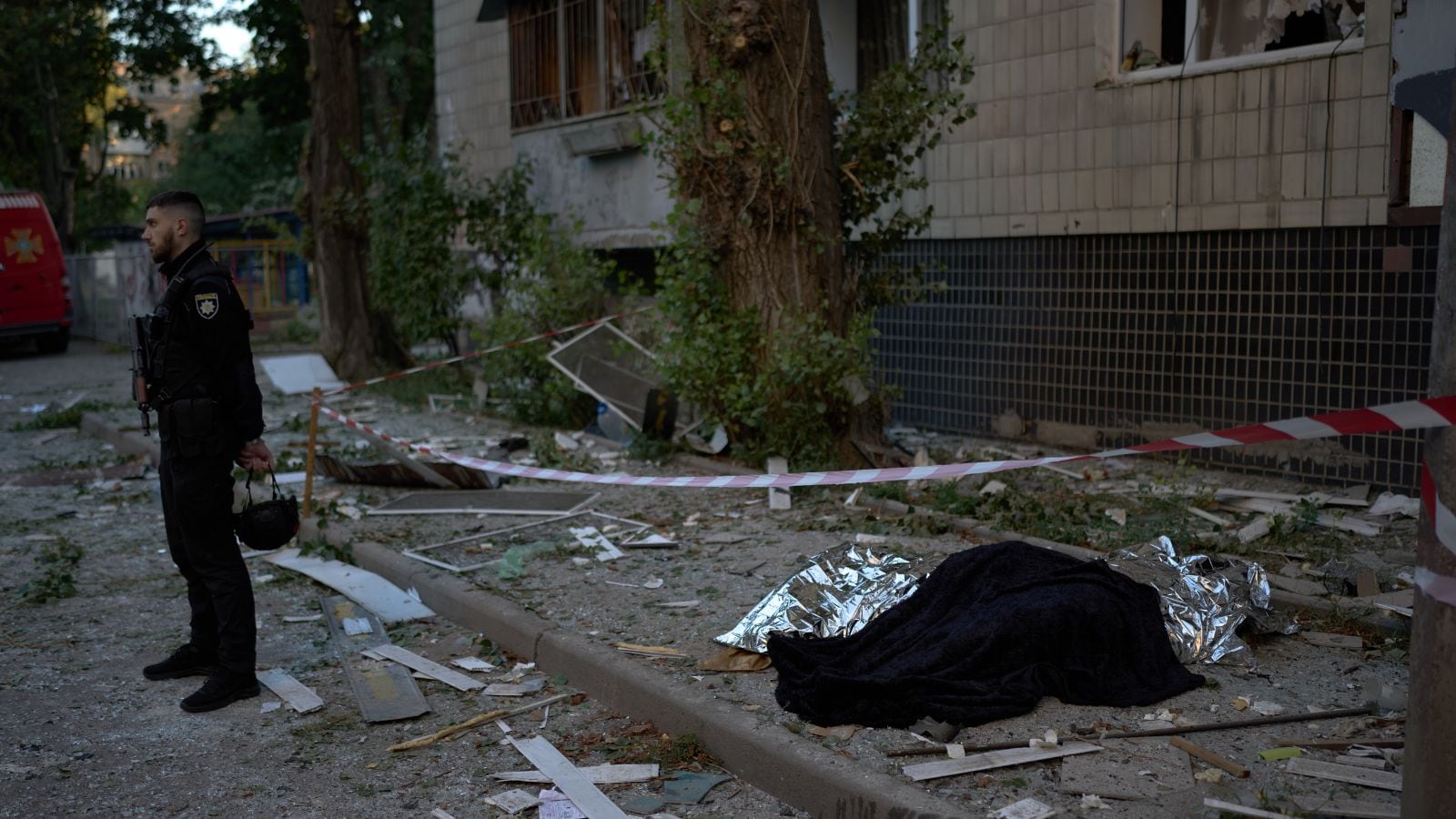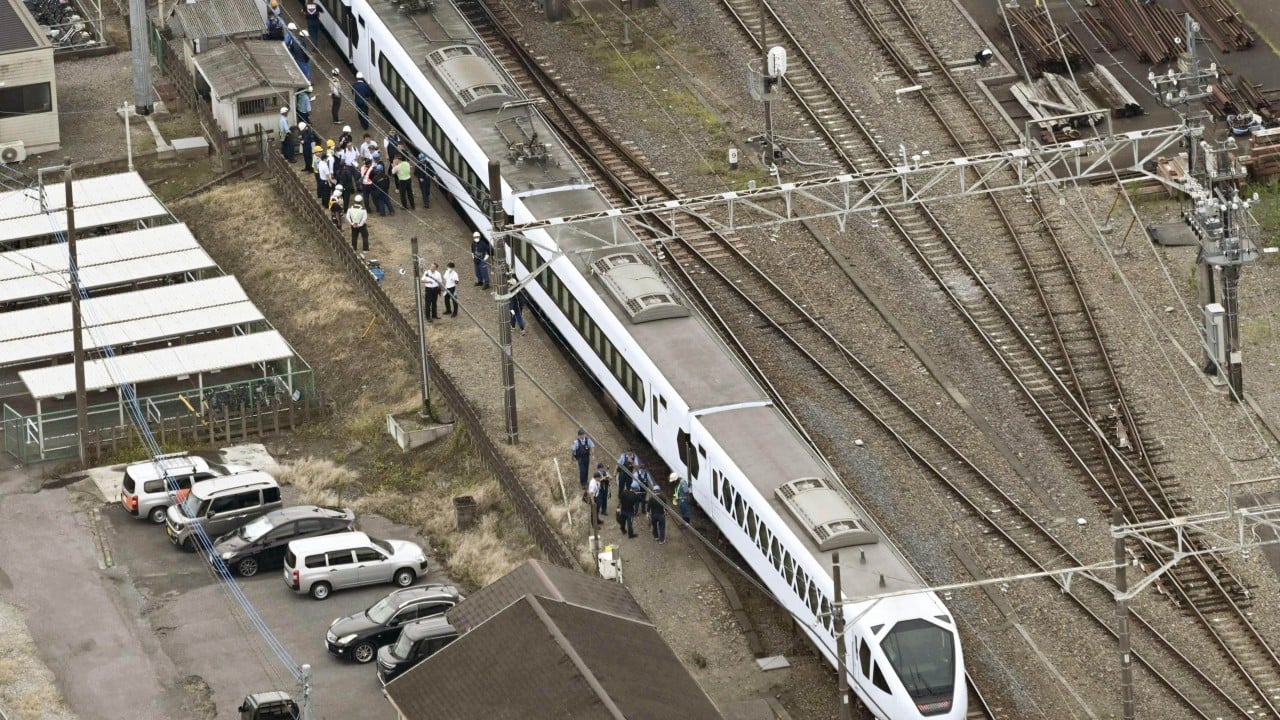
High-reliability infrastructure systems fail not because of systemic flaws in their primary automation, but due to breakdowns in the localized administrative protocols governing human-machine interfaces. When four maintenance workers were struck and killed by a limited-express train at Shin-Kanuma Station on the Tobu Nikko Line, public discourse immediately defaulted to viewing the tragedy as an anomaly within an otherwise pristine rail network. Treating this event as an isolated operational outlier ignores the operational mechanics of manual track interventions. Deconstructing the incident requires analyzing the exact structural points where hazard mitigation protocols intersect with high-velocity transit schedules.
The Cost Function of Manual Intervention
Railway networks operate under strict optimization models designed to maximize throughput, asset utilization, and schedule adherence. Maintenance tasks such as vegetation management—commonly referred to as track weeding—introduce high variance into a deterministic system.
[Fixed Schedule Determinism] vs [Stochastic Human Maintenance]
                 \                     /
                  \                   /
             [Operational Friction Point]
When ground crews step onto active ballasts, the cost function shifts from automated collision avoidance to procedural compliance.
The core variables governing this environment include:
- Headway times between rolling stock units
- Braking deceleration curves of express versus local configurations
- Sighting distances affected by station geometry and curvature
- Human reaction latencies under auditory and visual masking conditions
Manual weed removal requires continuous low-level cognitive focus directed downward toward the track bed, which degrades peripheral environmental scanning. When a Spacia X limited-express train approaches a station at line speed, the time window between line-of-sight acquisition and impact compresses rapidly. Without automated proximity alerts wired directly into the personal protective equipment of every crew member, safety relies entirely on human sentinels.
The Three Failures of Administrative Safety Protocols
Standard operating procedures for non-revenue track maintenance typically mandate specific redundancies. The failure of four experienced operators points directly to breakdowns across three distinct operational tiers.
1. The Breakdown of Redundant Lookout Verification
Standard Japanese railway protocols traditionally utilize dedicated watchmen assigned to scan for oncoming traffic while crews execute manual labor. The presence of multiple fatalities strongly suggests a systemic failure at the sentinel layer. If a lookout was deployed, cognitive fatigue, visual obstruction, or acoustic masking from urban or station ambient noise likely compromised their detection capability. Reliance on a single human observer introduces a single point of failure into a safety-critical loop.
2. Schedule Synchronization Gaps
Maintenance windows are scheduled during off-peak intervals or coordinated via dispatch logs to avoid active train movements. When an express service operates outside standard commuter blocks, minor timetable deviations alter the expected arrival matrix. If dispatch communication protocols fail to transmit real-time telemetry updates regarding train positions to the field supervisor, crews operate on stale schedule assumptions.
3. Sensory Masking in Station Environments
Executing maintenance within station boundaries rather than open lines introduces unique acoustic and visual clutter. Station infrastructure, overhead catenary structures, and platform architecture create echo chambers that distort the directional cues of an approaching electric multiple unit. Limited-express trains produce distinct noise profiles compared to standard commuter sets, and operators on the ground may have miscalculated the velocity or proximity of the oncoming rake based on auditory cues alone.
Operational Vulnerabilities in High-Density Transit
Rail systems celebrated for immaculate safety statistics often harbor latent vulnerabilities born from operational complacency. When a network maintains decades of passenger safety without fatal collisions, institutional risk perception shifts. Crews and dispatchers may normalize deviations from strict protocol, treating standard safety briefings as administrative box-checking rather than active threat modeling.
The transition from automated safety systems—such as track circuits and automatic train stop mechanisms designed to protect trains—to administrative safety systems designed to protect ground crews creates an architectural mismatch. While train-to-train protection relies on hard-wired electronic fail-safes, human-to-train protection relies on soft procedural compliance. Soft controls possess high elasticity, stretching under schedule pressures until they snap.
To eliminate these vulnerabilities, railway operators must decouple track maintenance from active running lines entirely through hardware-enforced possession windows, or mandate wearable ultra-wideband proximity beacons that trigger automated emergency braking or direct haptic warnings to workers the moment an unauthorized train enters a designated maintenance zone. Until physical separation replaces procedural reliance, manual track interventions will remain high-variance risk events.