The neon sign of the dynamic taco stand on Alvarado Street hums with a steady, low-frequency buzz. It is 11:30 PM on a Tuesday. Under the harsh fluorescent glow, Maria slices marinated pork from a vertical spit, her movements fluid and practiced. Around her, Los Angeles breathes. The traffic on Wilshire Boulevard is a distant river of sound. Customers stand on the sidewalk, hunched over paper plates, laughing, scrolling through their phones, completely at ease in the midnight air.
By every statistical metric available, Maria and her customers are safer tonight than Angelenos have been at almost any point since the mid-1990s. You might also find this similar story useful: The Real Reason the Hormuz Peace Deal Will Fail.
Yet, three miles away in a high-rise campaign headquarters, a political strategist is staring at a poll that tells a completely different story. The data on the screen suggests the city is a lawless wasteland, a modern Gotham on the brink of collapse. The strategist smiles. That fear is political gold.
This is the great paradox of modern Los Angeles. It is a city caught in a psychological chokehold, torn between a reality of historic safety and a perception of imminent danger. As a mayoral race heats up, the battle is no longer just about budgets, housing, or policing. It is a war over how people feel when they walk down their own streets. As reported in recent articles by The Washington Post, the effects are notable.
The Mirage of the Good Old Days
To understand why Los Angeles is losing its mind over crime, you have to understand what the city actually used to look like.
Consider the year 1992. The city was a pressure cooker that finally exploded. Homicides peaked at over one thousand within the city limits. Gang warfare was not a talking point; it was a physical geographic border system that dictated which grocery store you could visit. Sirens were the baseline soundtrack of the basin.
Today, the numbers tell a radically different story. Total violent crime sits at a fraction of those apocalyptic highs. Homicides have plummeted. Property crimes, while experiencing fluctuations, remain historically low compared to the decades that defined the city’s rough reputation.
But numbers do not comfort a nervous parent. Data does not stop a heart from racing when a stranger walks too close on a dimly lit sidewalk.
The human brain is a terrible calculator of probability. We are wired for survival, not statistical analysis. When a resident opens a neighborhood social media app and sees a grainy, black-and-white video of a porch pirate stealing a package three blocks away, the brain registers an immediate threat. It does not process that the event is an isolated misdemeanor in a radius of ten thousand homes. It registers: Danger is at my doorstep.
This digital amplification has turned isolated incidents into a collective fever dream. Every broken car window becomes a symptom of systemic rot. Every encampment becomes a flashpoint for anxiety. The reality of safety is swallowed whole by the perception of chaos.
The Currency of the Campaign Trail
Enter the politicians.
For mayoral candidates, this psychological gap is not a problem to be solved; it is an opening to be exploited. A campaign built on the slogan "Things Are Moderately Better Than They Were in 1995" does not inspire voters to march to the polls. Fear, however, is a spectacular motivator.
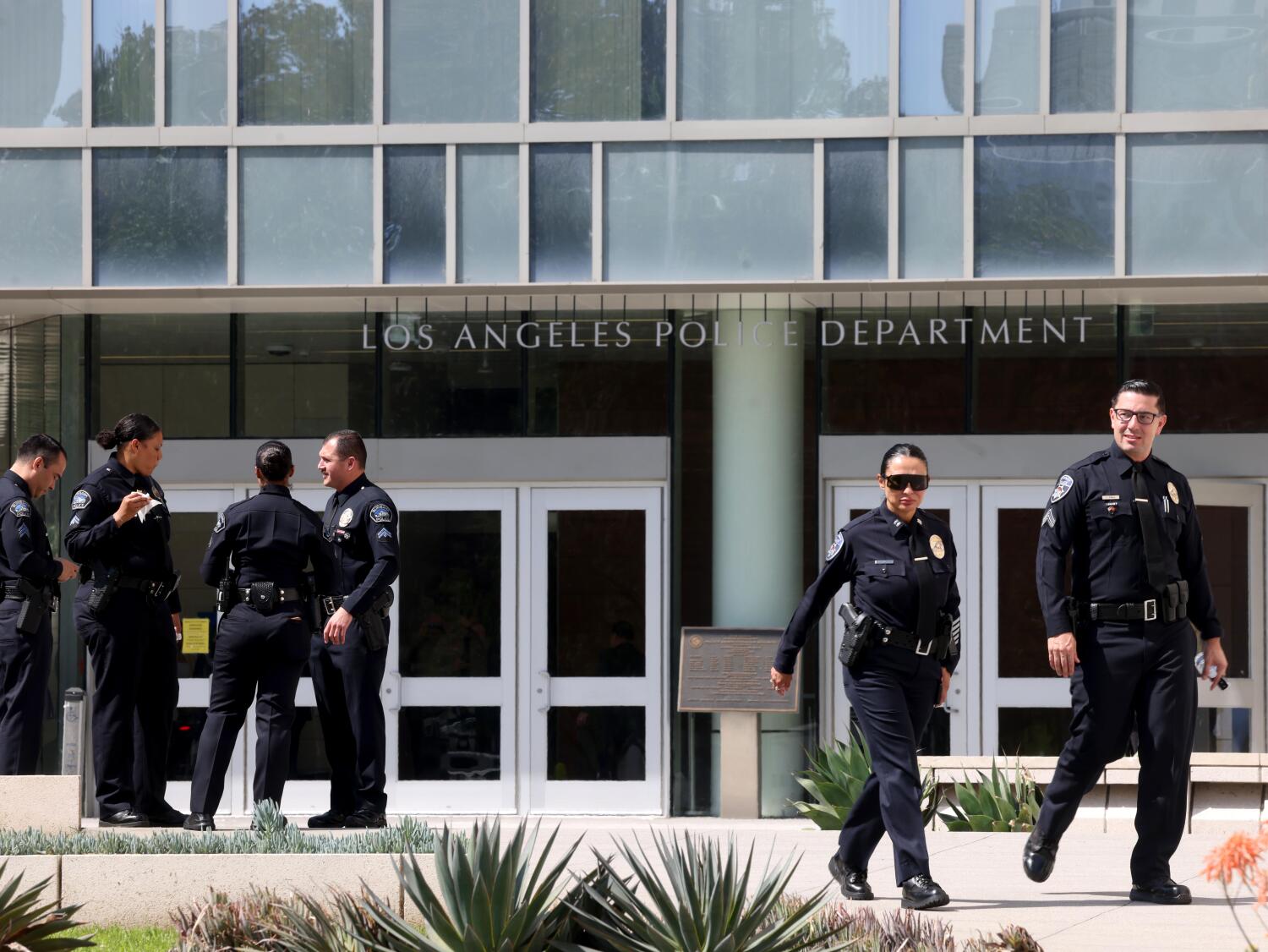
On the debate stages, the city is painted in strokes of dark charcoal. One candidate points to the visible crisis of homelessness and seamlessly merges it with the threat of violent crime, creating a narrative of a city out of control. Another promises an immediate influx of thousands of officers, implicitly suggesting that the current thin blue line is all that stands between civilization and anarchy.
But look closer at the mechanics of the policy proposals. Strip away the urgent rhetoric and the dramatic hand-gestures, and the actual plans look remarkably similar to what the city has been doing for a decade. More community policing. Better mental health intervention. Targeted resource deployment.
The divergence isn't in what they will do; it's in the story they choose to tell.
By framing the election as a rescue mission for a dying metropolis, candidates force voters into a defensive posture. It alters the civic conversation. Instead of debating the complex, boring, institutional reforms required to fix a massive bureaucracy, the city spends its collective energy arguing over whether it is safe to walk to the mailbox.
The Invisible Stakes
The real tragedy of this manufactured panic is that it hides the genuine, nuanced issues that require urgent attention.
When a community is gripped by phantom fear, it demands blunt instruments. It demands more arrests, higher bail, and visible displays of force. These reactions rarely solve the underlying friction. They act as a cosmetic ointment on a deep structural infection.
The real conversations get pushed into the shadows. We stop talking about how to effectively integrate mental health professionals into emergency response systems. We ignore the slow, grinding work of gang intervention programs that operate in community community centers, far from the cameras. We forget that the most effective crime prevention tool is often not a squad car, but a stable job and a functional school.
Maria turns off the flame under the pork spit. She begins the long process of wiping down the stainless steel counters. She has lived in this neighborhood for twenty-four years. She remembers when the sound of firecrackers had to be evaluated for ballistic trajectory.
"Is it safe?" she echoes, wiping a hand across her apron. She looks out at the empty, quiet street. "It is safe enough to work. It is safe enough to live. But if you listen to the television, you would think I am a soldier in a war."
She locks the register. The city continues to hum around her, indifferent to the narratives spun in air-conditioned campaign offices, waiting to see if it will vote based on the concrete reality of its streets, or the ghosts on its screens.