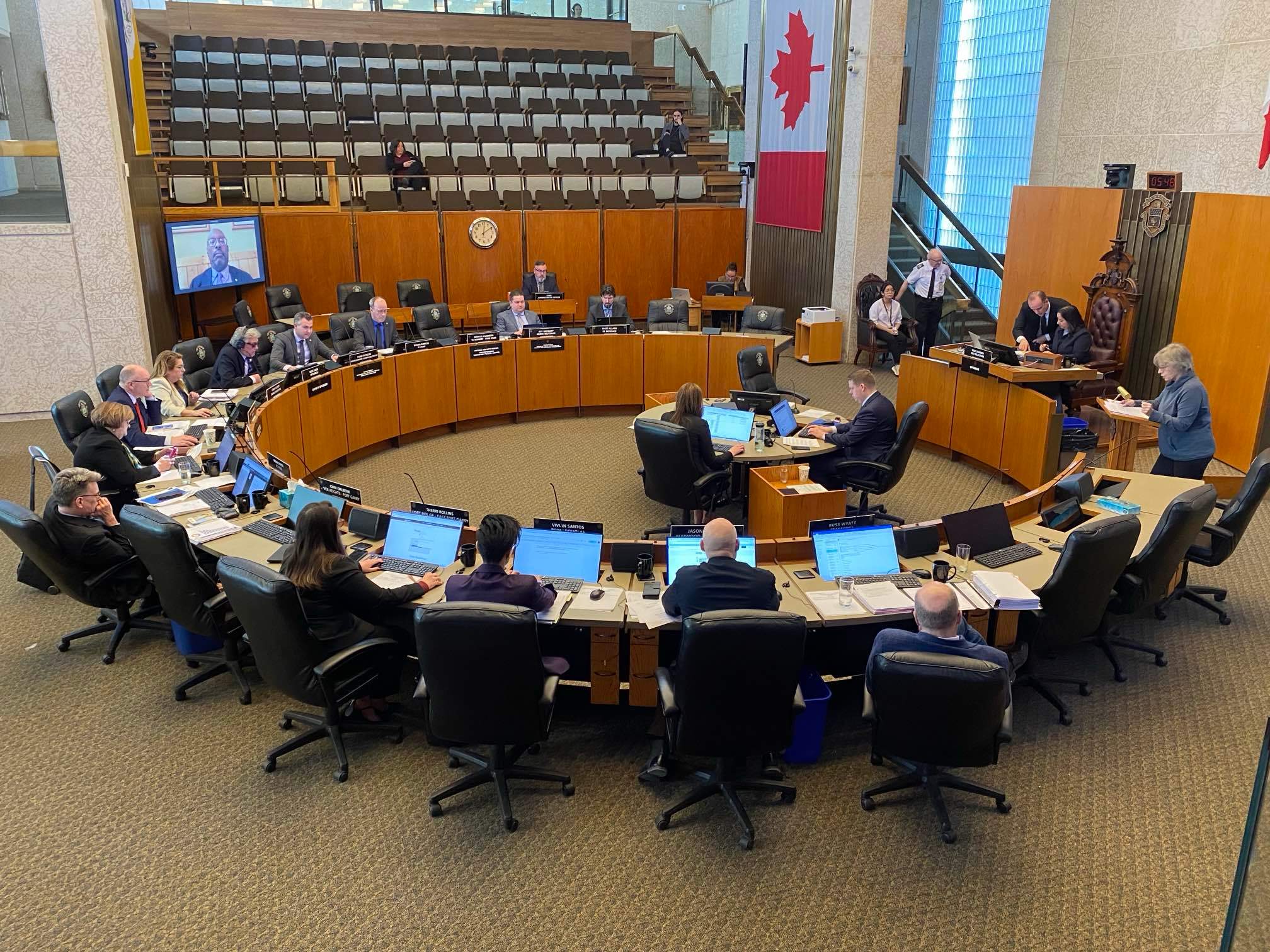
Civic disengagement in municipal elections is rarely a sudden collapse; it operates as a slow fiscal and psychological divestment. When urban electorates stop heading to the polls, the root cause is structural friction combined with a perceived collapse in municipal utility. Analyzing municipal voter turnout requires examining the structural decline of participation through quantitative metrics rather than broad generalities about apathy. Historical election tracking in Winnipeg demonstrates a multi-cycle erosion of the franchise, dropping from 50 percent participation down to 37.5 percent and lower across recent election cycles. Understanding why urban voters detach from local governance requires mapping the variables that turn democratic participation from a routine civic habit into an uneconomic expenditure of time.
The Cost Benefit Function Of The Ballot
Voters treat elections through an implicit economic model where the act of casting a ballot incurs a specific cost function. This cost includes time spent researching candidates, navigating transit or logistics, and the opportunity cost of hours lost. The return on investment is defined by the perceived policy delta between competing candidates. If Candidate A and Candidate B offer indistinguishable operational outcomes for infrastructure, taxation, and zoning, the policy delta approaches zero.
When the denominator of perceived impact remains low and the numerator of municipal fiscal constraints expands, the rational actor theorem predicts abstention. Municipalities operate under strict balanced-budget statutory requirements, rendering city councils incapable of broad macroeconomic interventions. When local leaders campaign on transformative promises they lack the capital or statutory authority to deliver, voters experience an expectation gap. The city is often constrained by provincial downloading of responsibilities and limited revenue tools, leaving municipal actors cash-strapped. Electorates internalize this institutional impotence. If the municipal government lacks the financial levers to alter structural cost-of-living pressures, the utility of participating in the election drops toward zero.
The Information Asymmetry Loop
Voter disengagement accelerates when local media ecosystems contract, creating an information desert around municipal policy. Unlike federal or provincial elections dominated by national party brands and continuous media cycles, municipal races lack persistent organizational branding. Independent candidates run on localized platforms that require high search costs for the voter to evaluate.
This creates an information asymmetry loop. When local journalism offices downsize, the daily operational reporting required to hold incumbent council members accountable disappears. Voters receive headlines about personality conflicts rather than granular data on infill housing density, transit operating deficits, or capital asset management depreciation schedules. Without accessible metrics on how municipal spending impacts household balance sheets, citizens view local government as an opaque bureaucracy. Participation declines because the voter cannot independently verify whether their ballot alters the municipal service level or tax mill rate.
Strategic Determinism And The Turnout Suppression Effect
Polling data prior to municipal election days frequently introduces a strategic determinism feedback loop. When pre-election surveys indicate a commanding lead for a frontrunner or present a fragmented multi-candidate race where victory margins appear predetermined, marginal voters alter their behavior. Rational voters who prefer a trailing candidate calculate that the probability of their individual vote pivotalizing the outcome is statistically negligible.
This calculus triggers strategic abstention. Conversely, when polls project a chaotic race with numerous viable contenders, the lack of clear programmatic distinction among them causes decision fatigue. Voters abandon the ballot box not out of inherent laziness, but because the cognitive load of parsing platforms outweighs the perceived signal strength of their vote. The concentration of political discourse on horse-race polling rather than structural municipal reform actively depresses civic participation by transforming an election into a predictive spectator sport rather than an urgent mandate.
Institutional Friction And The Municipal Engagement Deficit
The mechanics of voting introduce structural friction that penalizes low-propensity participants. While advance polls and mail-in options exist, the physical and temporal hurdles of updating voter registries, confirming precinct locations, and allocating time during standard working hours act as filters against casual engagement. Cities that treat voter turnout as an administrative compliance metric—focusing strictly on running error-free election operations rather than optimizing citizen acquisition—invariably suffer from depressed participation.
To reverse municipal voter attrition, institutional design must shift from passive availability to active acquisition. Cities must treat low turnout as an operational failure of municipal marketing. Transitioning from traditional polling stations to decentralized, high-traffic digital-physical hybrid touchpoints reduces the friction coefficient. Simultaneously, tying municipal budgeting directly to participatory neighborhood-level spending mechanisms restores the direct feedback loop between the ballot and tangible capital allocation. Until the structural return on a municipal vote matches or exceeds the cost of casting it, urban electorates will continue their rational retreat from the civic sphere.