The intersection of federal immigration enforcement and active military service introduces complex operational friction points that affect force readiness and institutional stability. When an immediate family member of a deployed service member faces detention or deportation, the systemic repercussions extend far beyond individual households. This dynamic creates acute cognitive load for members of the armed forces, directly impacting operational focus in high-stakes environments such as carrier strike groups deployed overseas. Analyzing the mechanics of these events requires examining the institutional friction between immigration policy and military retention strategies.
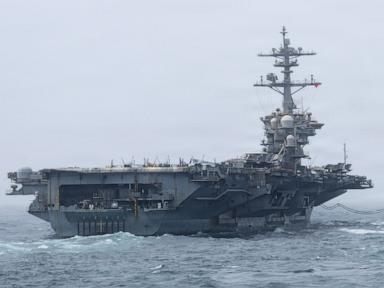
Operational readiness relies on predictability and psychological safety for service members. The USS Abraham Lincoln carrier strike group operates in complex geopolitical theaters where mission success depends upon the undivided attention of its personnel. When a sailor receives notification that a parent residing in the United States has been detained by Immigration and Customs Enforcement, the cognitive burden disrupts operational focus.
This disruption manifests through a specific chain of events:
- Acute psychological distress triggered by familial separation and legal uncertainty.
- Operational distraction during active watchstanding or critical technical maintenance cycles.
- Immediate requests for emergency leave, placing sudden burdens on undermanned duty rotations.
- Compromised unit cohesion as team members absorb additional responsibilities to cover for deployed personnel on emergency status.
The Department of Defense recognizes these operational vulnerabilities through programs designed to support military families. However, civilian enforcement agencies operate under distinct statutory mandates that do not automatically account for active-duty deployment status. This structural disconnect produces policy collisions where national security objectives at sea clash with domestic enforcement priorities on land.
The Mechanics of Immigration Enforcement Impact on Force Stability
Immigration enforcement actions involving immediate family members of military personnel trigger institutional strain within the armed forces. The military personnel management system relies on predictable cycles of deployment, training, and reset. Unscheduled disruptions caused by civil legal crises among family members force commands to make difficult operational trade-offs.
Understanding how these events stress military systems requires examining three primary variables:
- Chain of Command Intervention Limits: Local unit commanders possess authority to grant emergency leave and facilitate communication with legal assistance attorneys, but they hold no jurisdictional authority over immigration enforcement proceedings. Their role is strictly reactive, mitigating the immediate fallout rather than resolving the root legal status.
- Legal Resource Availability: Service members often lack immediate access to specialized immigration counsel capable of navigating complex removal defense proceedings while stationed away from their home ports. Military legal assistance offices are generally restricted by federal statute from representing dependents or family members in civilian immigration court.
- Retention and Morale Calculus: Service members evaluate their long-term commitment to the armed forces based on institutional support during critical life crises. When the state removes an immediate family member while the service member is deployed in defense of that same state, long-term retention metrics decline among affected demographic cohorts.
These variables illustrate why localized enforcement actions generate systemic organizational friction. The absence of a formal, streamlined interagency coordination protocol between the Department of Homeland Security and the Department of Defense regarding the families of deployed personnel creates persistent vulnerabilities in human capital management.
Policy Disconnects and Structural Solutions
The friction between enforcement priorities and military readiness highlights the necessity for integrated policy frameworks. Current protocols rely heavily on discretionary deferred action requests and humanitarian relief mechanisms that operate on case-by-case timelines. These informal mechanisms lack the predictability required for modern military human resources management.
A structured approach to resolving this friction involves establishing clear operational protocols between federal agencies. Rather than depending on ad-hoc media attention or congressional intervention to secure temporary stays of removal for military families, institutionalized channels would ensure operational continuity.
Key structural adjustments include:
- Expanding the scope of military legal assistance to provide referral networks and subsidized representation for immediate family members facing administrative removal.
- Establishing formal notification and review windows between immigration enforcement agencies and military branch headquarters when a targeted individual is an immediate relative of an active-duty or deployed service member.
- Codifying clear deferral guidelines for active deployments, ensuring that domestic enforcement actions do not compromise the operational focus of forces engaged in active missions.
Without these systemic adjustments, military commands will continue to absorb the operational costs of uncoordinated civil enforcement actions. The true cost is measured not only in administrative man-hours spent managing emergency leave requests, but in the degradation of psychological readiness among sailors operating complex weapon systems far from home.
The strategic imperative moving forward requires federal policy makers to treat family stability not as a civilian domestic issue, but as a critical variable in military force readiness. Aligning immigration enforcement discretion with active-duty deployment schedules safeguards both the rule of law and the operational integrity of the armed forces.