The saltwater still smells the same. If you stand on the promenade at Bondi Beach early enough in the morning, before the backpackers drop their towels and the influencers set up their tripods, the air carries that familiar, sharp sting of ozone and Pacific spray. It is a sensory anchor for millions. For generations of Australians and travelers alike, this stretch of crescent sand represents the ultimate sanctuary of the sun. It is a place where the worries of the world are supposed to dissolve into the surf.
But geography cannot insulate us from human wreckage.
When violence punctures a sanctuary, the immediate aftermath is loud. Sirens wail. News choppers hover. The community gathers in a collective, breathless gasp, staring at the flashing blue lights reflecting off the storefront windows of Campbell Parade. Then, inevitably, the cameras leave. The yellow police tape is rolled up and tossed into the back of a utility vehicle. The world moves on to the next headline, assuming that because the physical debris has been swept away, the story has reached its natural pause.
It hasn't. The real story is just beginning in the quiet, sterile rooms where the legal system attempts to quantify chaos.
The Weight of Nineteen Lines
Consider a standard police charge sheet. It is a remarkably cold document. It uses precise, bureaucratic language to describe moments of absolute terror. On a Tuesday morning that felt entirely detached from the warmth of the beach outside, that document grew significantly heavier for the man accused of pulling the trigger at Bondi.
Detectives from the State Crime Command’s Homicide Squad didn't just add numbers to a file. They added nineteen distinct chapters of accountability.
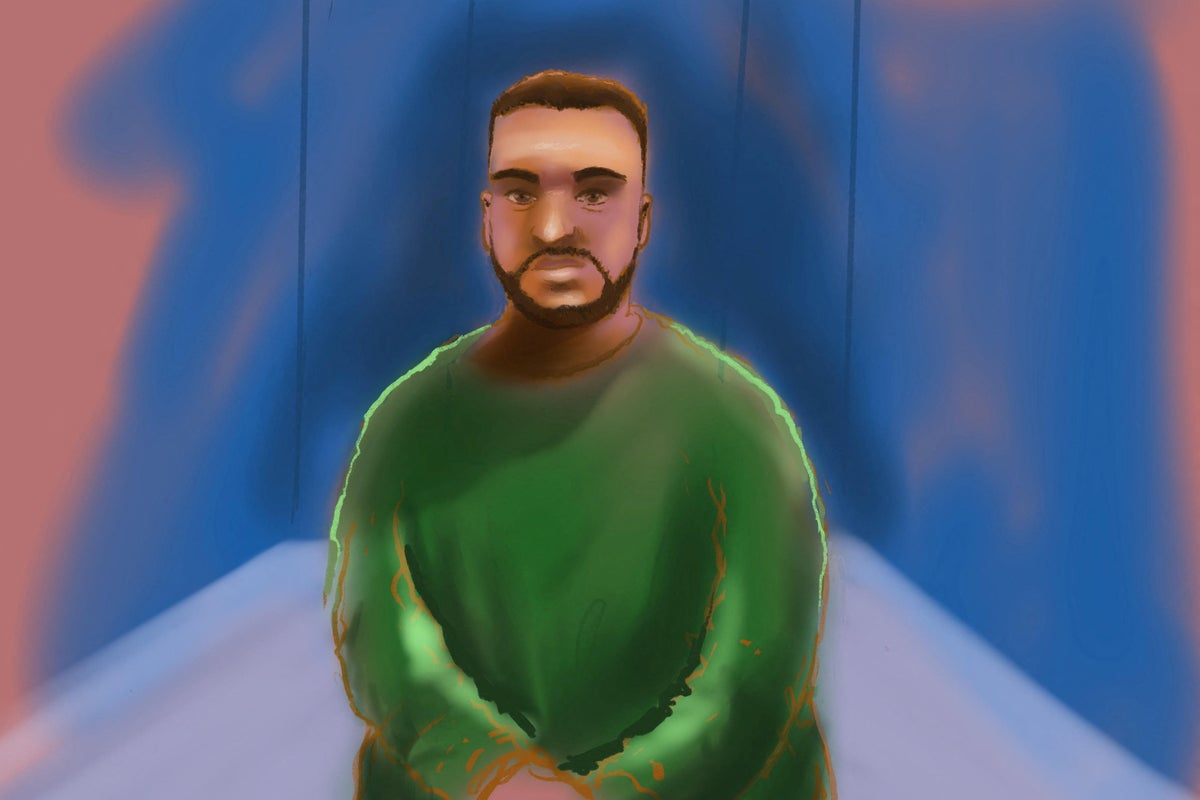
The suspect, already remanded in custody for the initial fallout of the shooting, faced a magistrate via a video link. He sat in a plain room, a stark contrast to the vibrant, chaotic world he disrupted. The new charges leveled against him are a grim catalog: multiple counts of loaded firearm offenses, intent to murder, and shooting with intent to cause grievous bodily harm.
Nineteen.
Say the number aloud. It sounds like a statistic. But in the architecture of justice, each one of those nineteen charges represents a specific trajectory of a bullet, a specific moment of panic, and a specific person whose life trajectory was permanently altered on a sunny afternoon.
To understand the scale of this development, we have to look past the legal jargon. When a prosecutor stands up and reads nineteen additional charges, they are not just updating a ledger. They are signaling to the community that the investigation has dug deeper into the dark. Ballistics experts have spent weeks matching slugs to barrels. Cyber detectives have scoured encrypted messages. Tactical logs have been dissected second by second. The state is building a fortress of evidence, ensuring that when the trial finally begins, there are no loose threads for the defense to pull.
The Invisible Ripples of the Esplanade
Imagine a hypothetical witness. Let’s call her Sarah. She doesn't exist as a single person in the police brief, but she represents a dozen people who were there that day. Sarah was buying a flat white at a cafe overlooking the water when the first crack echoed. For a split second, she thought it was a car backfiring, or perhaps a leftover firework from a weekend celebration.
Then came the screaming.
Sarah didn't get physically hit. She wasn't struck by shrapnel, and her name won't appear on the indictment as a victim of grievous bodily harm. She ran, her sandals slapping against the hot pavement, hiding behind a concrete planter box until the tactical police arrived with their black rifles and heavy vests.
Weeks later, Sarah still can't sleep through the night. Every time a skateboarder pops their deck on the boardwalk, her heart hammers against her ribs. She avoids the beach now. The ocean, which used to be her therapy, looks hostile.
This is the invisible tax of public violence. The legal system is designed to punish the physical act—the nineteen shots, the possessed weapons, the intent to kill. But the law is a blunt instrument. It cannot litigate the collective trauma of a neighborhood. It cannot file charges for the loss of peace.
When we read that a suspect has been hit with nineteen more offenses, the natural reaction is a sense of grim satisfaction. We feel that the gears of justice are turning, grinding down the individual who broke the social contract. But true justice is a myth we tell ourselves to feel safe at night. You cannot un-ring a bell. You cannot un-fire a bullet. You can only contain the person who held the gun so they can never do it again.
The Mechanics of the Iron
Australia’s relationship with firearms is legendary on the global stage. Following the Port Arthur massacre in 1996, the country enacted some of the strictest gun control laws in the developed world. It became a societal baseline: we do not carry weapons to the beach. We do not accept gun violence as a daily cost of living in a free society.
So, when a shooting happens at Bondi, it doesn't just shock the local community; it rattles the national identity. It forces a uncomfortable question to the surface: How did the iron get onto the sand?
The nineteen additional firearms charges indicate that this wasn't a simple case of an individual finding an old hunting rifle in a relative's shed. It points toward a darker, more complex network. Illegal firearms in Australia don't just appear. They are smuggled through ports, hidden in shipping containers, or altered in backyard workshops by illicit syndicates. They pass through multiple hands, each transaction leaving a faint trail of grease and digital breadcrumbs.
Every additional firearm charge leveled against the suspect represents a failure of the perimeter, but also a success of the post-incident cleanup. The police are tracing the lineage of the weapon. They want to know who imported it, who sold it, and who turned a blind eye. The suspect at the center of the Bondi shooting is the tip of a very ugly spear. The nineteen charges are the sound of the police hammering that spear until it shatters.
The Loneliness of the Dock
There is a profound loneliness to the legal process for those accused of extraordinary crimes. The public fury is immense. The media coverage is relentless. But inside the courtroom, the atmosphere is dead quiet.
The suspect appears on a monitor. His hair might be unkempt, his clothes the standard-issue tracksuits of the correctional system. He looks smaller than he did in the terrifying videos captured on bystanders' phones during the chaos. This is the flattening effect of the law. It takes a figure of public terror and reduces them to a defendant, a name on a docket, an individual who must listen to a registrar read out a long list of dates, times, and statutory violations.
For the families of those affected, this quietness can be infuriating. They want anger. They want an admission of the horror they have endured. Instead, they get a series of mentions, adjournments, and legal arguments about the disclosure of evidence briefs.
But this patience is the entire point.
If the state reacts with the same emotional volatility as the crime itself, the system fails. The nineteen new charges are not an act of revenge; they are an act of meticulous documentation. The prosecution is setting a trap made of facts, ensuring that there is no room for escape when the ultimate day of reckoning arrives in the Supreme Court.
The Scars in the Subtext
We tend to view court reports as conclusions. We read that a man was charged, and we mentally cross the event off our list of active worries. But the true impact of this legal escalation is found in the subtext of the daily lives of Bondi residents.
The boardwalk has returned to its normal rhythm. The surf schools are out in the water, instructors yelling tips over the roar of the breakers. The cafes are full of people arguing about real estate and politics. On the surface, the wound has healed, leaving behind nothing but the smooth, unblemished skin of a prosperous coastal suburb.
Look closer.
You see it in the way a mother clutches her child’s hand just a little tighter when walking past the pavilion. You see it in the security guards who now stand at the entrances of venues that used to keep their doors wide open to the sea breeze. You see it in the determination of the local detectives who refuse to let the case go, working late into the night to ensure those nineteen extra charges stick.
The sand at Bondi changes with every tide. The footprints of yesterday are washed away by the swell of the morning, leaving a clean slate for the thousands who will arrive tomorrow. But some stains sink deeper than the water can reach, embedding themselves into the collective memory of a city that was forced to remember how fragile its peace truly is.