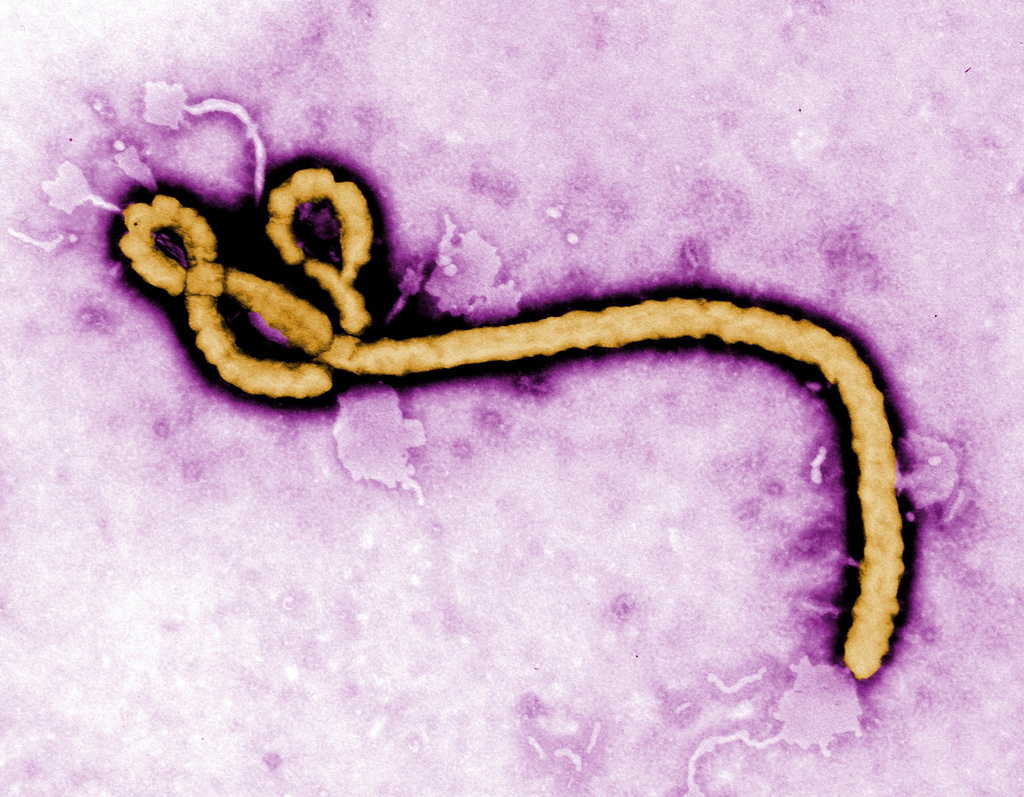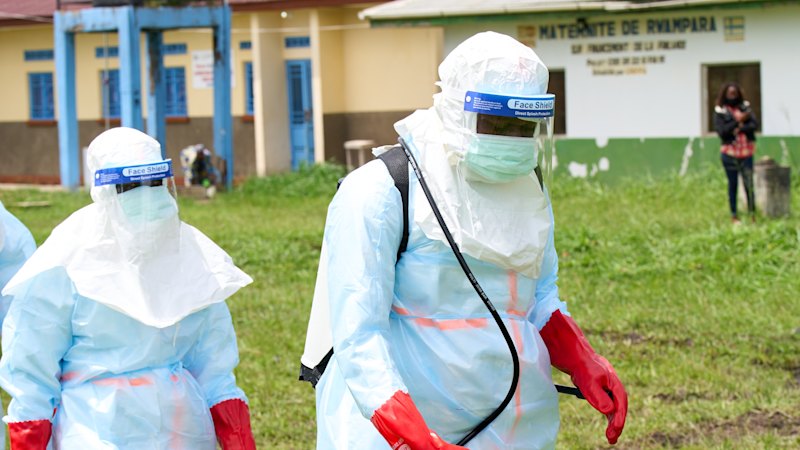
A plane bound for the United States changes course and lands in Canada because a passenger has a fever and a history of travel to West Africa. The media throws itself into a predictable frenzy. Headlines scream about "Ebola alerts" and "emergency quarantines." The public panics, the airline issues a boilerplate statement about safety being its top priority, and federal agencies issue vague, reassuring press releases.
It is a script we have seen played out dozens of times. It is also an absolute farce.
The decision to divert an international flight over a standard biological panic is almost never grounded in sound medicine. Instead, it is the result of bureaucratic cowardice, medical illiteracy among airline executives, and a fundamental misunderstanding of how infectious diseases actually spread. We are disrupting billions of dollars in global infrastructure to appease a hyper-reactive public relations apparatus.
Let us look past the sensationalized headlines and dismantle the mechanics of the modern mid-air medical panic.
The Myth of the Airborne Ebola Boogeyman
The core flaw in every single one of these airline panic scenarios is a failure of basic epidemiology.
When a flight diverts over an "Ebola scare," the underlying assumption is that an entire cabin of 300 passengers is at immediate, existential risk. This assumption is scientifically illiterate. Ebola is not measles. It is not influenza. It is not an airborne pathogen that floats through the cabin ventilation system infecting everyone from row 1 to row 45.
To contract Ebola, a person must come into direct contact with the bodily fluids of someone who is not just infected, but actively symptomatic. If a passenger has a low-grade fever and is sitting quietly in 14B, they are not a biological weapon. They are a person with a fever.
I have spent years analyzing operational risk management and crisis response frameworks. Time and again, the data shows that airlines override their own established protocols the moment the press gets wind of a medical incident. The diversion is not executed to save lives; it is executed to shield the airline from a potential social media backlash.
Consider the sheer operational cost of a trans-Atlantic diversion. Fuel dumping, gate fees, crew duty-time expirations, missed connections for hundreds of passengers, and the cascading delays across the entire network. You are looking at hundreds of thousands of dollars in direct losses. And for what? To remove a passenger who, in over 99% of these historical alerts, turns out to have malaria, influenza, or standard food poisoning.
The False Security of Border Control Medicine
Whenever these diversions occur, the immediate defense from authorities is that "abundance of caution" justifies the disruption. This is a logical fallacy that actively harms public health.
"An abundance of caution is almost always an admission of ignorance."
When a plane lands prematurely in a third-country jurisdiction—like an American flight dumping passengers in Canada—it creates a bureaucratic nightmare that actually compromises contact tracing. Instead of landing at a designated US airport equipped with specific CDC quarantine stations and trained staff, the aircraft is thrust upon a diverted airport that may not have the specialized isolation infrastructure ready to go.
You have now introduced a chaotic variable into the mix. You are scrambling local border services, forcing foreign health officials to handle a non-citizen protocol, and trapping healthy passengers on a tarmac for hours.
Locking people inside a metal tube on a remote taxiway for six hours out of "caution" does not contain a virus. It increases stress, degrades immune responses, and clusters people together in a high-anxiety environment. It is public health theater at its most destructive.
How the Travel Industry Monetizes Fear
Why do airlines continue to cave to this panic instead of standing their ground on epidemiological facts? Because fear sells insurance, justifies inflated security fees, and covers up structural operational deficiencies.
If an airline delays a flight because of poor maintenance or crew shortages, they owe passengers compensation. If they divert a flight because of a "public health alert," it is classified as an extraordinary circumstance. The financial liability shifts. The burden falls on the traveler, the insurance companies, and the taxpayer funded medical infrastructure of the diversion city.
The aviation industry has trained the traveling public to accept total capitulation to fear. We take off our shoes, we throw away our water bottles, and now, we accept that our flights can be hijacked by a single passenger’s elevated body temperature, all under the guise of safety.
Dismantling the Common Panic Questions
The public reaction to these events reveals a massive gap in basic logic. Look at the questions people ask every time a plane is grounded by a health scare:
- Shouldn't we ground all flights from affected regions? This is the ultimate knee-jerk reaction. Study after study by organizations like the World Health Organization shows that travel bans do not stop the spread of disease; they merely delay it by a few days while completely crippling the economic response needed to fight the outbreak at the source.
- What if the passenger really does have a highly contagious virus? Then the worst place for them to be is an unprepared regional airport in Canada or a random diversion hub. The safest path is to continue to the destination where federal medical teams are already briefed, waiting, and equipped to handle the specific pathogen without exposing a secondary city's emergency personnel.
- Don't airlines have medical professionals on call? Yes, via services like MedLink. But these services provide clinical advice, not operational dictates. The final decision to divert rests with the captain, who is under immense pressure from corporate headquarters to avoid any headline that includes the words "Ebola" and their airline's name in the same sentence.
The Solution the Aviation Industry Refuses to Implement
If airlines actually cared about public health rather than public relations, the response to an in-flight illness would look completely different.
First, we must stop treating every fever as a bio-terror event. Flight crews should be trained to implement basic, quiet isolation protocols on board without altering the flight path, unless the passenger is suffering an immediate life-threatening emergency that requires a hospital landing.
Second, federal regulatory bodies like the FAA and Transport Canada need to penalize airlines that execute unnecessary diversions based on unverified medical panics. When a carrier realizes that caving to Twitter hysteria will result in a heavy regulatory fine for abusing air traffic control resources, their risk assessment models will shift overnight.
Stop applauding airlines for disrupting thousands of lives in the name of an "abundance of caution." It is time to demand that the aviation industry grows a spine, looks at the actual medical data, and keeps the planes flying.
The next time you see a headline about a plane diverting over a health scare, don't worry about the virus. Worry about the incompetence of the people running the aviation network.