The return of Corynebacterium diphtheriae to Australia challenges a core tenet of modern public health: that historical viral and bacterial pathogens can be permanently suppressed solely through past immunisation success. Between January 1 and May 20, 2026, the National Notifiable Disease Surveillance System (NNDSS) recorded over 220 confirmed notifications of diphtheria. This figure exceeds any full calendar year since national reporting began. The geographical distribution of the outbreak spans four jurisdictions, with the Northern Territory recording 133 cases, Western Australia recording 82 cases, South Australia recording six cases, and Queensland recording fewer than five cases.
This resurgence is not a random microbiological event. It is the direct consequence of structural immunity gaps intersecting with specific socio-demographic vulnerabilities. Over 50 years of near-zero domestic transmission created an epidemiological blind spot. This blind spot obscured a critical metric: the systemic decline in community protection thresholds. By analyzing the structural mechanics of transmission, the mathematical degradation of herd immunity, and the operational friction within remote healthcare delivery, we can map the trajectory of this outbreak and outline the interventions required to re-establish containment. If you liked this post, you should look at: this related article.
The Mathematics of Resurgence: Sub-Threshold Herd Immunity
The primary catalyst for this outbreak is the systemic decay of herd immunity. The herd immunity threshold ($H$) represents the minimum proportion of a population that must be immune to prevent an infectious disease from spreading. It is calculated using the basic reproduction number ($R_0$), which defines the average number of secondary cases generated by a single infectious individual in a completely susceptible population:
$$H = 1 - \frac{1}{R_0}$$ For another angle on this story, see the recent update from Psychology Today.
For respiratory diphtheria, historical epidemiological data establishes an $R_0$ value between 6 and 7. Applying these values to the equation dictates that the threshold required to achieve herd immunity sits between 83.3% and 85.7%.
Herd Immunity Threshold Mechanics
[R0: 6 to 7] ---> Required Immunity Threshold (H): 83.3% - 85.7%
                  Current National 24-Month Coverage: Below 90%
                  Localized Remote Pockets: Dropped below 83.3% Threshold
                                          |
                                          v
                            [Epidemiological Cascade]
While Australia’s historical vaccination campaigns comfortably exceeded this target, recent longitudinal trends demonstrate a steady erosion of coverage. In 2024, national childhood vaccination coverage at 24 months fell below 90% for the first time since 2016. By 2025, these rates hit a five-year low.
While a national average near 90% appears superficially adequate to meet the theoretical herd immunity threshold, national averages mask severe localized variances. Immunisation gaps are not uniformly distributed; they aggregate in specific geographic and demographic pockets. When localized coverage drops below the 83.3% minimum threshold, the effective reproduction number ($R_t$) rises above 1. This shift transforms isolated infections into self-sustaining transmission chains.
Dual-Pathogen Dynamics: Respiratory vs Cutaneous Manifestations
The clinical and epidemiological management of this outbreak is complicated by the coexistence of two distinct clinical presentations of Corynebacterium diphtheriae. Each presentation possesses a separate transmission velocity and risk profile.
Respiratory Diphtheria
This form represents the classic, high-mortality presentation of the disease. Transmission occurs primarily through the inhalation of aerosolized respiratory droplets during coughing or sneezing. The pathogen colonizes the upper respiratory tract, where the expression of the tox gene leads to the production of diphtheria toxin. This potent exotoxin inhibits cellular protein synthesis, causing localized tissue necrosis.
The clinical hallmark is the formation of a dense, asymmetric, grayish pseudomembrane composed of necrotic fibrin, leukocytes, and bacteria over the tonsils and pharynx. This membrane introduces a high risk of mechanical airway obstruction. Systemic absorption of the toxin can induce severe myocarditis, polyneuritis, and acute tubular necrosis. The current outbreak has demonstrated significant virulence, with approximately 25% of cases requiring acute hospitalisation and one suspected fatality under post-mortem investigation in a remote territory community.
Cutaneous Diphtheria
This form manifests as chronic, non-healing skin ulcers or lesions, often co-infected with Staphylococcus aureus or Streptococcus pyogenes. Transmission occurs via direct dermatological contact with lesion exudate or contaminated fomites. While cutaneous diphtheria rarely produces the systemic, toxin-mediated life-threatening complications of the respiratory form, it acts as an epidemiological accelerant.
Skin lesions harbor high concentrations of stable bacteria that persist in the environment longer than respiratory droplets. Consequently, individuals with cutaneous lesions serve as highly effective, long-term reservoirs for the pathogen. They can covertly seed respiratory infections within households, driving the broader outbreak.
Socio-Environmental Amplifiers and Operational Healthcare Friction
The concentration of cases among First Nations communities highlights the critical role played by socio-environmental determinants in disease transmission. Pathogen propagation requires both a susceptible host and an environment that facilitates contact. In this outbreak, the physical environment acts as a force multiplier for the bacterium.
Crowded housing conditions significantly lower the structural barriers to transmission. In environments with high household density, the physical distance between individuals is consistently lower than the threshold required to escape respiratory droplet trajectories. This density also increases the frequency of shared fomites and direct skin-to-skin contact, optimizing the transmission pathways for both respiratory and cutaneous strains.
Furthermore, remote health infrastructure faces severe operational friction when managing an outbreak of this scale. The logistical chain for diphtheria containment requires rapid deployment across four distinct pillars:
Structural Pillars of Diphtheria Containment
├── 1. Diagnostics: PCR & Elek tests for toxigenicity
├── 2. Therapeutics: DAT procurement and targeted antibiotics
├── 3. Prophylaxis: Ring-vaccination and booster delivery
└── 4. Surveillance: Active contact tracing in transient populations
- Diagnostics: Confirming cases requires fast laboratory processing to differentiate between toxigenic and non-toxigenic strains via polymerase chain reaction (PCR) and Elek tests. Remote clinics must transport swabs over vast distances to centralized pathology hubs, introducing diagnostic lag.
- Therapeutics: Treatment requires the immediate administration of Diphtheria Antitoxin (DAT) to neutralize circulating toxin, paired with antibiotic regimens (penicillin or erythromycin) to eradicate the bacteria. DAT supplies are globally scarce and highly centralized, creating deployment bottlenecks.
- Prophylaxis: Achieving containment demands aggressive ring-vaccination and booster administration within affected communities to artificially drive $R_t$ back below 1.
- Surveillance: Effective contact tracing is hampered by geographic isolation and the transient movement of populations across state boundaries, such as the movement observed between the Northern Territory and the Anangu Pitjantjatjara Yankunytjatjara (APY) Lands in South Australia.
Strategic Blueprint for Containment
To arrest the spread of Corynebacterium diphtheriae, public health authorities must transition from a reactive model to a structured containment framework. Relying on standard general practitioner pathways is insufficient given the remote geography of the current outbreak. Containment requires a coordinated federal and state deployment strategy built around three specific operational directives.
Deploying a Targeted Surge Workforce
The federal government must immediately execute its proposed support package by deploying an immunisation surge workforce directly integrated with Aboriginal Community Controlled Health Organisations (ACCHOs). This integration is critical; top-down, non-indigenous clinical interventions historically yield lower compliance due to trust deficits and cultural friction.
Local health practitioners possess the community trust and linguistic capability required to overcome vaccine hesitancy and trace highly mobile family structures. The surge workforce should take over routine clinical administration, freeing local practitioners to execute intensive, door-to-door immunization sweeps.
Executing a Dual-Target Immunisation Strategy
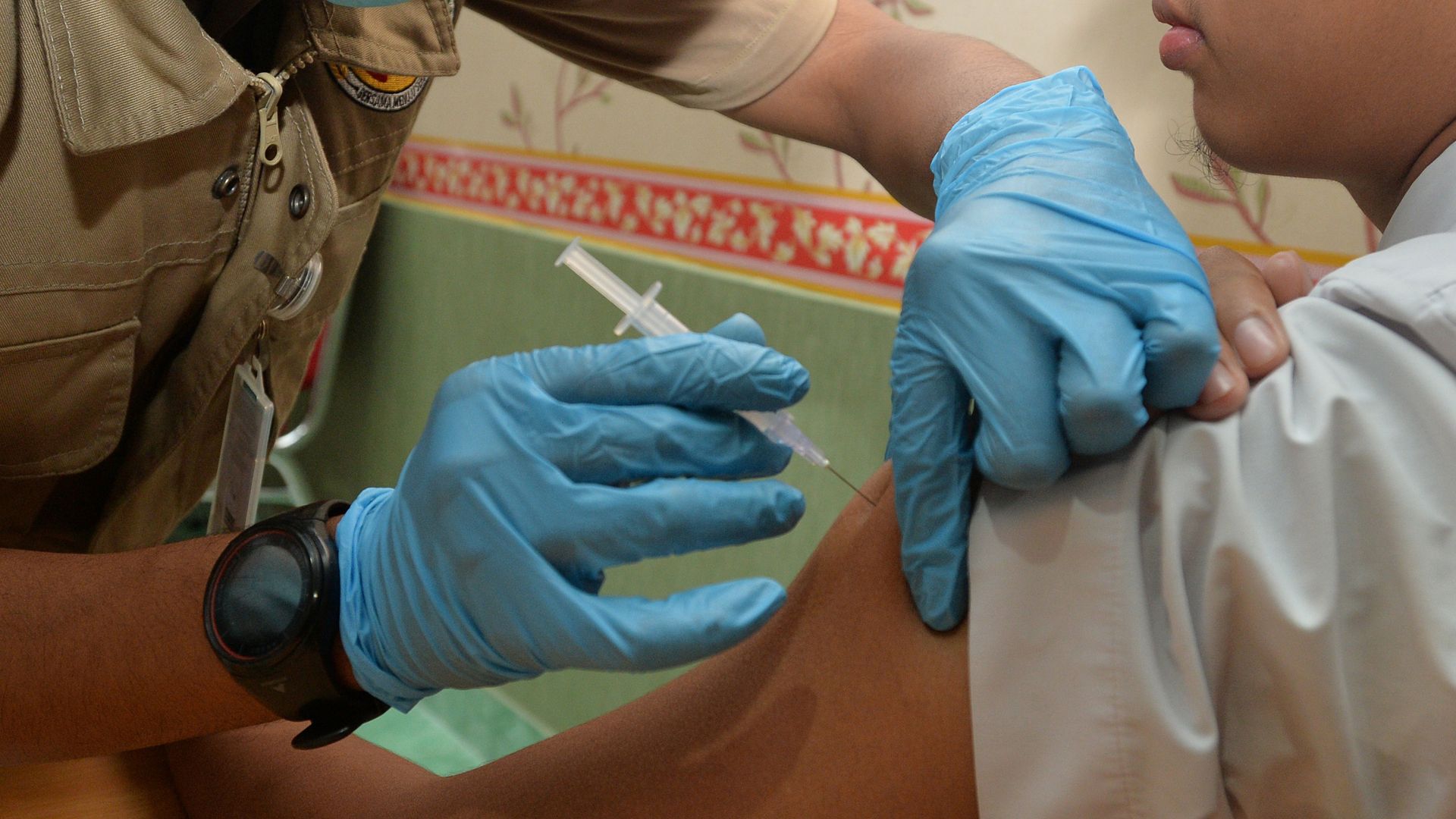
Vaccination protocols must account for the distinct needs of different age cohorts. The current multi-dose National Immunisation Program schedule—providing free vaccinations at six weeks, four months, six months, 18 months, four years, and 12 years—is highly effective for pediatric cohorts but leaves older populations vulnerable if boosters are neglected.
Targeted Immunisation Strategy
├── Pediatric Cohort: Catch-up schedules via localized registries
└── Adult Cohort: 10-year booster enforcement via mobile skin-check clinics
The surge response must execute a two-track strategy:
- Pediatric Cohort: Deploy catch-up vaccination schedules targeting the specific under-vaccinated cohorts identified in the 2024–2025 data dip, utilizing localized school and childcare registries.
- Adult Cohort: Enforce the recommended 10-year adult booster program. Because cutaneous diphtheria presents an stealth transmission vector, mobile clinics must combine skin-health checks with the administration of combination tetanus-diphtheria-pertussis (dTpa) vaccines to adults in high-density households.
Establishing Decentralized Diagnostic and Treatment Hubs
To eliminate the diagnostic lag caused by transporting samples to capital cities, health authorities must deploy rapid point-of-care PCR diagnostic units to regional hubs such as Alice Springs, Darwin, and Broome. In parallel, strategic stockpiles of Diphtheria Antitoxin and appropriate antibiotics must be decentralized from national storage sites and positioned within these regional centers.
Reducing the time-to-treatment from days to hours is critical. Rapid deployment minimizes the window of infectiousness for confirmed cases and protects the airway health of patients showing early signs of respiratory distress.
The trajectory of this outbreak over the coming weeks depends entirely on the speed with which these operational adjustments are made. If immunization coverage within these regional pockets is not rapidly returned to the >85% threshold, Corynebacterium diphtheriae will establish permanent reservoirs in the regional population, leading to endemic transmission patterns unseen in the country for more than half a century.