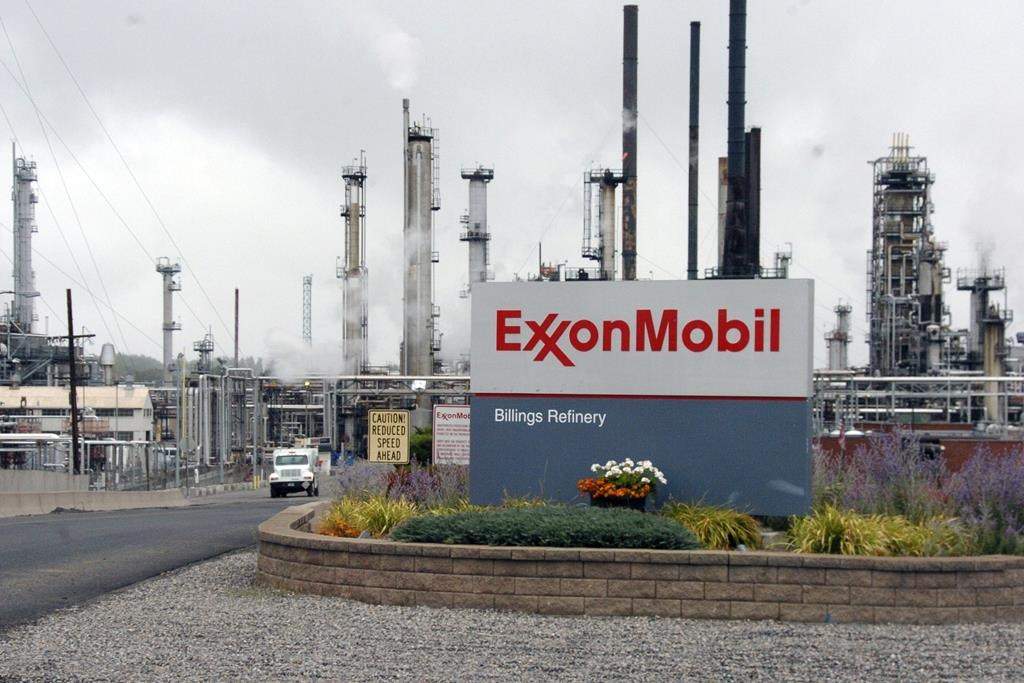
Geopolitical conflict in the Middle East functions as a structural amplifier for integrated energy enterprise margins rather than a random external shock. When military actions impede petroleum transit through chokepoints like the Strait of Hormuz, the mechanism transmitting wholesale commodity values to retail pumps and corporate balance sheets operates via rigid inventory accounting rules and inelastic short-run demand. Understanding why major operators generate tens of billions of dollars in quarterly surplus during active hostilities requires examining the specific mechanics of inventory valuation, upstream-downstream integration, and capital allocation priorities.
The Margin Expansion Mechanism
Surplus generation during supply contractions stems from the inventory holding gains inherent to the First-In, First-Out accounting standard used across the industry. Oil producers extract crude at a historical cost basis tied to capital expenditure commitments made years prior. When military escalation in Iran pushes Brent benchmarks past one hundred dollars a barrel, the revenue realized on those barrels reflects immediate spot pricing while the extraction cost structure remains anchored to sunk capital.
This creates a structural divergence between operational cash cost and realized market price. A barrel extracted for thirty dollars incurs the same upstream extraction expenditure whether the commodity trades at sixty dollars or one hundred and twenty-six dollars. The widening spread flows directly into net operating margins.
Refining divisions capture an analogous expansion. As crude supply becomes restricted, refined product inventories in consuming nations deplete faster than replacement barrels can clear transit routes. Refiners with access to diverse feedstock or locked-in long-term delivery contracts process lower-cost inventory while pricing finished gasoline and diesel at marginal replacement cost. The resulting crack spread widens significantly during the initial phases of supply shocks, compounding corporate earnings before upstream production adjustments can catch up to demand.
Upstream Integration versus Pure-Play Exposure
The magnitude of financial outperformance during geopolitical supply restrictions depends on corporate architecture. Integrated supermajors, including ExxonMobil, Chevron, Shell, and TotalEnergies, deploy a dual-pillar model that insulates cash flow volatility through counter-cyclical buffers.
- Upstream extraction divisions capture direct commodity price velocity, translating benchmark spikes into immediate top-line revenue expansion.
- Downstream refining and chemical segments experience margin compression if feedstock costs outpace retail demand, yet during severe chokepoint blockages, product shortages override input cost pressures.
- Trading desks embedded within major operators exploit regional dislocations, capturing arbitrage opportunities between physical delivery nodes as maritime insurance rates and tanker availability shift abruptly.
Pure-play upstream operators lack this operational hedge. While they capture raw commodity upside more aggressively during price spikes, they face severe exposure to local production curtailments if pipeline infrastructure or regional export terminals sustain collateral disruption. Integrated majors absorb localized asset shutdowns more efficiently by reallocating global shipping logistics and drawing down strategic storage inventories maintained across multiple continents.
Capital Allocation and Shareholder Distributions
Surplus capital generated during conflict-driven price surges does not typically translate into accelerated long-term production investments. Corporate boards operate under strict capital discipline frameworks established after the over-investment cycles of the previous decade. When quarterly cash flow expands rapidly, capital expenditure guidance remains largely static, prioritized toward maintenance capital and low-carbon transition pilots rather than high-risk frontier exploration.
Free cash flow is routed primarily through two channels: structural dividends and open-market share repurchases. Share buybacks reduce equity float, elevating earnings per share metrics and satisfying institutional investor return requirements. This distribution mechanism explains why market valuations for major producers decouple from short-term geopolitical volatility; equity markets price these enterprises based on structural yield durability rather than temporary wartime cash influxes.
Political pressure for windfall profit taxes alters this calculus only marginally in the short run. Threat of legislative intervention prompts corporate leadership to pause regional capital commitments or halt proposed domestic drilling expansions, arguing that penalizing cash flows during supply scarcity deters necessary future supply infrastructure. Consequently, capital is shielded from domestic redistribution through cross-border asset reallocation and share return programs.
Macroeconomic Feedback Loops
The transmission of upstream supply shocks to broader economic activity follows a predictable cost-push sequence. Energy is an essential input factor across all manufacturing, agricultural, and logistics supply chains. As fuel prices climb to reflect maritime risk premiums, transportation costs embed themselves into every downstream consumer good.
Central banks face a compressed policy space during these episodes. While the surge in energy prices acts as an implicit tax on consumer purchasing power, it simultaneously generates headline inflationary pressures that preclude monetary easing. Interest rates remain elevated to combat persistent core inflation, increasing the cost of capital for non-energy sectors even as energy operators sit on pristine, liquid balance sheets. Demand destruction eventually manifests when cumulative price increases force end-users to curtail discretionary fuel consumption, stabilizing wholesale prices at a permanently higher structural baseline than pre-conflict averages.
Deploy excess operational cash flows into automated logistics optimization and flexible feedstock processing units to capture localized arbitrage during future maritime supply contractions.