You can't ignore the numbers. Since the full scale invasion began, tens of thousands of Ukrainians have lost limbs. Some estimates put the number over 100,000. It's an overwhelming statistic that represents real people, mostly young soldiers, suddenly facing a radically altered body.
When you lose a leg or an arm to a Russian mine or an artillery shell, the immediate battle shifts from the frontline to the hospital bed. Physical therapy takes care of the stump. It heals the skin. But it doesn't fix the mind. That's where adaptive sports come in, and it's happening right now across Ukraine on muddy pitches and newly built barrier-free fields.
The Reality of the Pitch
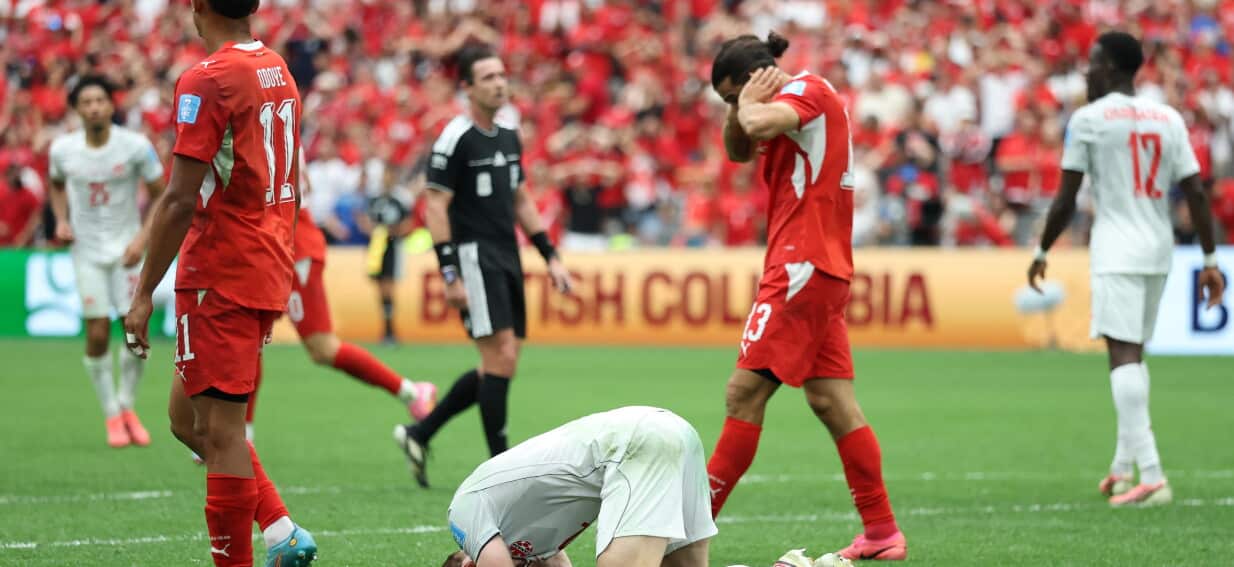
If you watch a match played by Pokrova AMP, the first amputee football club established in Lviv, you quickly realize this isn't a gentle form of therapy. It's brutal. It's fast.
Outfield players use forearm crutches. They don't wear prosthetics on the field. They drop them by the benches. If you have one leg, you run on crutches and kick with your remaining foot. If you're a goalkeeper, you have two legs but only one arm.
The intensity is immediate. Players collide. They crash onto the grass. They pop right back up.
Serhiy Ivanov, a goalkeeper who lost his right arm defending Bakhmut, openly admits that being on the field is the only time the war fades away. When you're tracking a ball flying toward the top corner, you don't have time to rewatch the explosion that took your limb. You just react.
This isn't about feeling pity. The players hate pity. They want competition.
Rebuilding More Than Just Muscles
Traditional medical setups do a decent job with early stage physical recovery. They get you standing. They teach you how to balance again. But they often fail at social reintegration.
The Iron Warriors Sport Hub in Kyiv addresses this gap directly. Founded by civic activist Volodymyr Nechyporuk, the hub started after a multi-sport festival in 2024. They don't just focus on football. They bring veterans together for archery, table tennis, pickleball, and pétanque.
The real magic happens between the sessions. It's the dark humor. Veterans sit on the sidelines and joke about their missing limbs in ways civilians never could. That shared trauma creates an instant, unbreakable bond. It pulls people out of their homes. Isolation is the real enemy after an amputation. When you're surrounded by people who have gone through the exact same hell, the stigma vanishes.
Organizers face massive logistical hurdles. Most sports infrastructure in Ukraine dates back to the Soviet era. Pools were frequently built on the second floor with zero elevator access. Gyms have narrow doorways and steep stairs.
Change is happening out of absolute necessity. Just recently, the LOKO Chokolivka sports space opened in Kyiv. Built with backing from the Howard G. Buffett Foundation, it's a completely barrier-free zone where wheelchair basketball teams and amputee footballers train on equal footing.
Beyond the Veteran Community
This movement is expanding past the military. The Ukrainian Football Association launched the League of the Strong to build a structured national amputee football community. Teams are popping up in cities like Vinnytsia, Zhytomyr, Odesa, and Kharkiv.
It's reaching children too. The UAF recently opened registration for its first children's camp under the Children's League of Strong initiative. Kids with congenital limb differences or injuries from missile strikes train alongside adult veterans.
Take Mykhailo, a young boy who serves as the mascot for the Pokrova team. His mother noticed an immediate shift in his confidence once he started training. He stopped hiding his injury. He started singing, dancing, and acting like a regular kid again because his teammates treated him as an equal, not a victim.
Major professional clubs are stepping up to support this ecosystem. FC Shakhtar Donetsk launched its own "made of steel" amputee team, providing professional coaching and facilities.
What Needs to Happen Next
Ukraine needs more than just a few high-profile sports centers in Kyiv and Lviv. If you want to support this movement or build something similar in your local community, focus on these immediate steps.
First, audit existing local sports facilities for basic accessibility. Remove physical barriers like steps at entrances or narrow locker room doors.
Second, fund the equipment. Specialized sports wheelchairs and high-grade forearm crutches are expensive. A single basketball wheelchair can easily run several thousand dollars. Local businesses and international donors need to direct funds straight to equipment procurement rather than administrative overhead.
Third, look at coaching education. Training an amputee athlete requires understanding specific physical strains, balance shifts, and psychological triggers. The UAF regularly runs seminars for coaches and referees to standardize this training nationwide.
Get involved with local adaptive sports initiatives, donate directly to verified foundations like the Iron Warriors Hub or the All4UA Foundation, and stop treating disability as a tragedy. Treat it as a different way to compete.