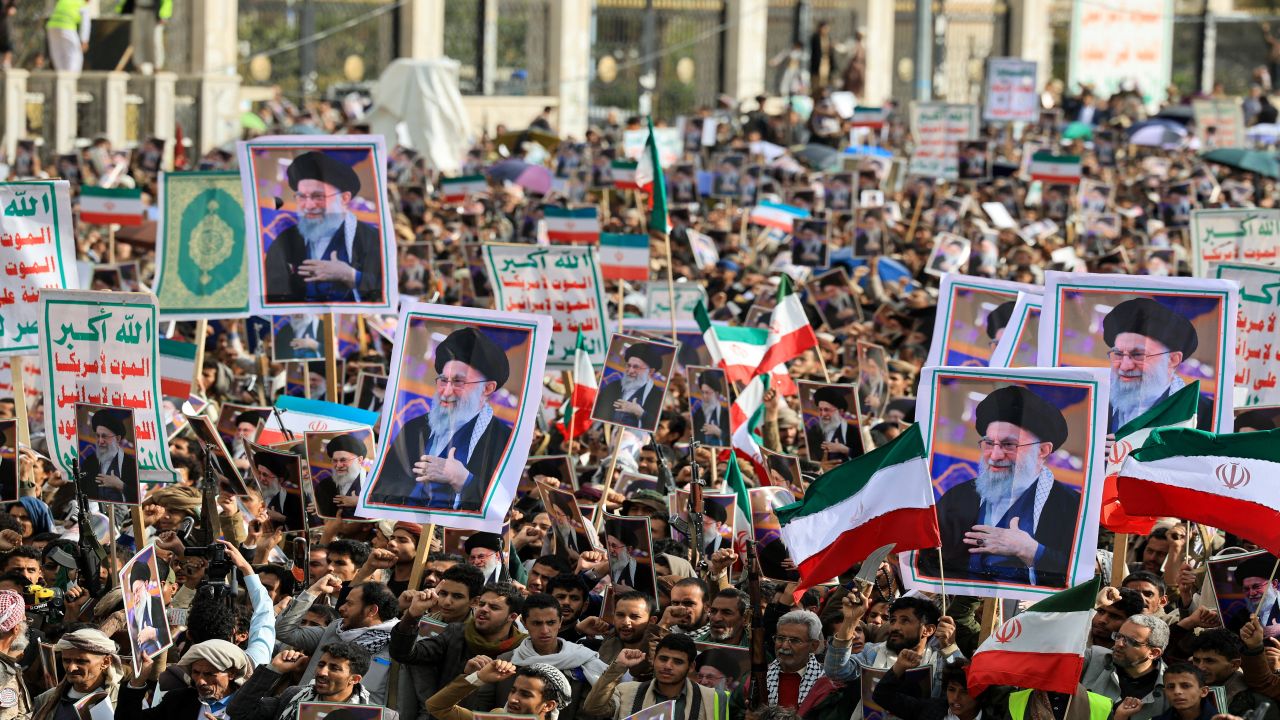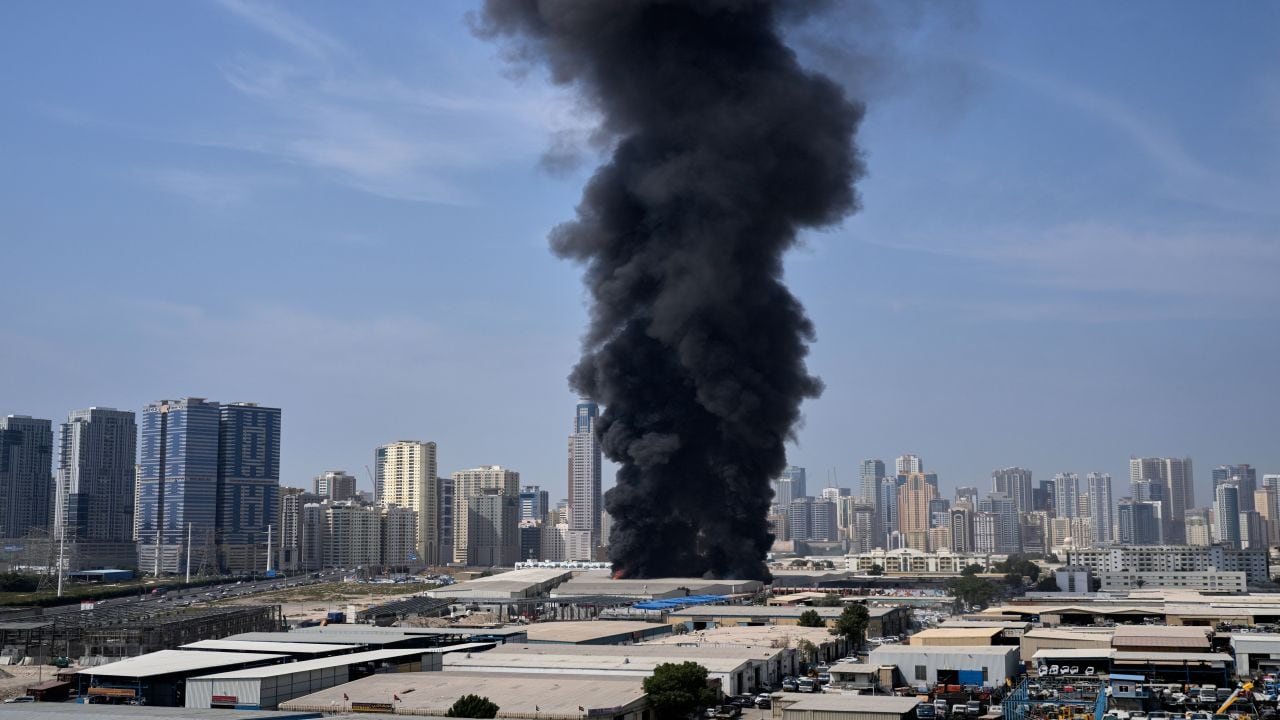
Washington loves a good war footing. If you watch the cable news pundits or listen to the think-tank circuit, you’d think the country is itching for a fight. But the latest Reuters/Ipsos polling data tells a completely different story. Most people in this country are tired. They’re skeptical. Honestly, they’re just over the idea of another open-ended conflict in the Middle East.
Only about 25% of Americans actually support U.S. strikes against Iran. That’s a staggering number when you consider how much noise comes out of the capital. It means three out of four people you walk past on the street either oppose military action or aren't convinced it’s the right move. This isn't just a minor disagreement. It’s a massive gap between the people holding the microphones and the people paying the taxes.
Why the public is pushing back on military escalation
We’ve seen this movie before. The "forever wars" in Iraq and Afghanistan left a mark on the American psyche that hasn't faded. When people hear about "surgical strikes" or "deterrence," they don't see a quick win. They see a decade of instability and trillions of dollars disappearing into a void.
The Reuters/Ipsos data reveals a deep-seated hesitation. While there is plenty of concern about Iran’s influence in the region, that concern doesn't automatically translate into a desire for Tomahawk missiles. People are weighing the costs. They’re looking at the price of gas, the national debt, and the lives of service members.
It’s also about trust. After years of shifting justifications for various interventions, the average person is a lot harder to sell on a new conflict. They want to know what the "end game" looks like. Usually, the answer from leadership is pretty vague. That vagueness is killing support for any aggressive posture.
The partisan split isn't as wide as you think
You might expect a clean divide between Democrats and Republicans on this. Usually, that's how it goes. But the skepticism toward an Iran strike actually crosses party lines in surprising ways.
While some Republican leaders take a hawkish stance, a significant portion of the base is leaning into "America First" isolationism. They’re tired of being the world's police. On the flip side, the Democratic base is largely focused on domestic issues and diplomacy. When you combine those two groups, you get the lopsided 25% support figure.
- Only about 30% of Republicans back strikes.
- For Democrats, that number drops even lower to roughly 15-20%.
- Independents are largely parked in the "wait and see" or "absolutely not" camps.
This puts the White House in a tough spot. If they move too aggressively, they risk alienating their own voters. If they stay too passive, they get hammered by the opposition for being "weak." It’s a political tightrope with no safety net.
The fear of a wider regional firestorm
People aren't just worried about Iran itself. They’re worried about the domino effect. An attack on Iranian soil or even on their proxies doesn't happen in a vacuum. It ripples through Lebanon, Yemen, Syria, and Iraq.
The public seems to grasp the complexity of the Middle East better than some of the "experts" give them credit for. They know that a strike on Tehran could lead to a closure of the Strait of Hormuz. They know that means oil prices would skyrocket overnight. In an economy where people are already feeling the squeeze, that's a terrifying prospect.
Economic consequences of a new conflict
If the U.S. enters a hot war with Iran, the economic fallout would be immediate. We’re talking about a country that sits on a literal chokepoint for global energy.
- Global shipping rates would jump as insurance costs for tankers spike.
- Inflation, which has been a thorn in everyone's side, would likely take a second breath.
- Military spending would require even more borrowing, further straining the federal budget.
People feel these risks in their wallets. It’s not just a moral objection to war; it’s a practical one. Most families are more concerned about their grocery bill than they are about geopolitical posturing in the Persian Gulf.
What the polling says about American leadership
This poll is a reality check for anyone sitting in the Situation Room. It suggests that the "rally 'round the flag" effect isn't what it used to be. In the past, a foreign threat usually meant a boost in presidential approval. Nowadays, a move toward war is more likely to be met with protests and plummeting poll numbers.
The American public is demanding a higher bar for military intervention. They want proof that a threat is imminent. They want to see that every single diplomatic door has been kicked down before a single shot is fired. Right now, that proof just isn't there for most people.
Looking for alternatives to the missile silos
Since the public is saying no to strikes, what do they actually want? The data points toward a preference for containment and sanctions over direct kinetic action. Even though sanctions have a mixed track record, they’re seen as the "safer" bet.
There’s also a growing desire for regional partners to do more of the heavy lifting. Why should the U.S. be the primary enforcer when there are wealthy, capable nations in the neighborhood? This shift toward "burden sharing" is becoming a dominant theme in American political thought.
If you're following this closely, keep an eye on the rhetoric coming out of the State Department versus the Pentagon. The tension between those two buildings usually reflects the tension in the polls. For now, the "don't do it" camp is winning by a landslide.
Pay attention to the specific wording in future polls. Look for shifts in how "support" is defined. Sometimes a "defensive strike" gets more traction than an "offensive" one, but for now, the message is clear. Most of the country wants the missiles to stay in the tubes and the focus to stay on problems closer to home.