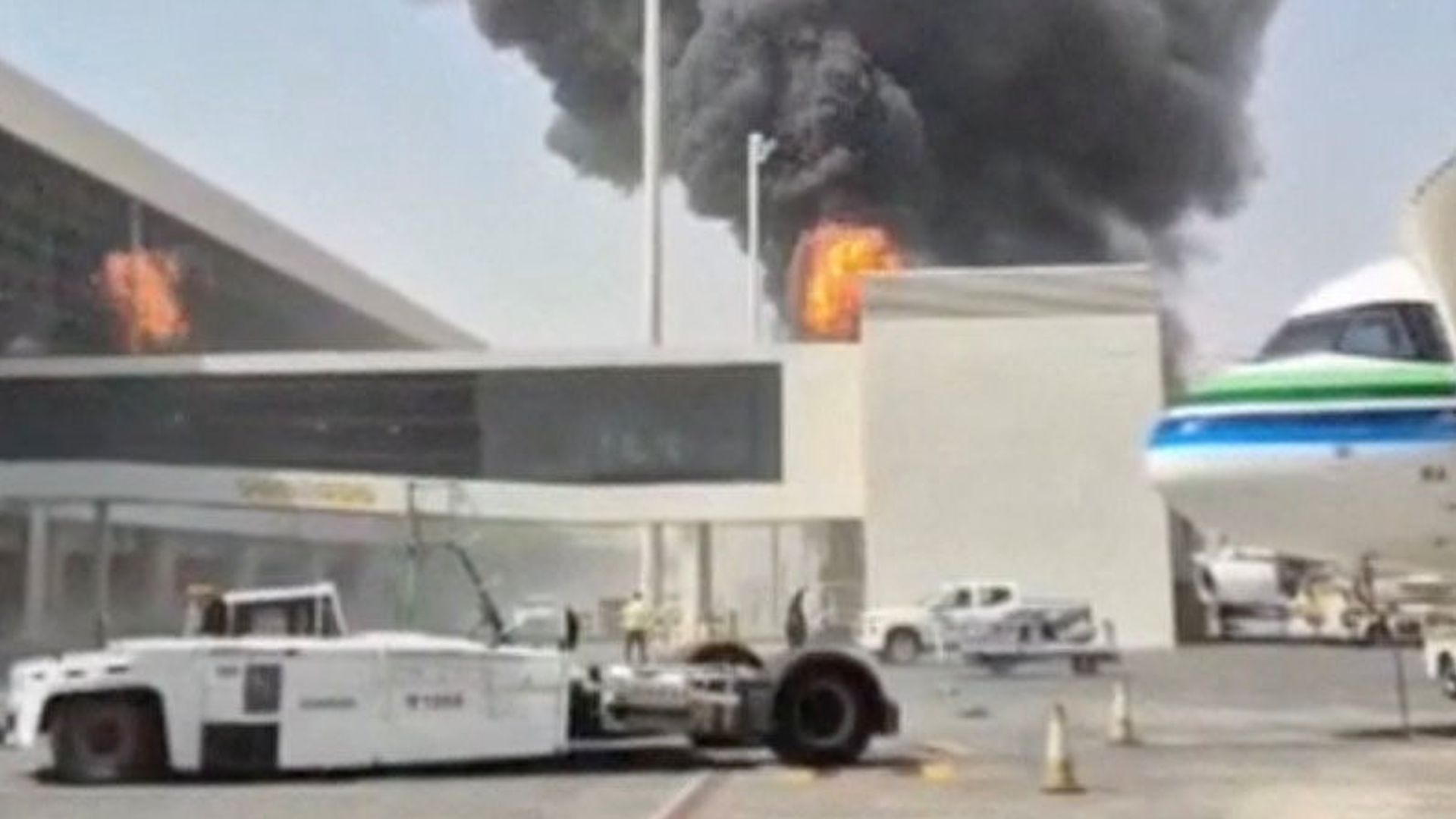
Every time an individual manages to breach a secure airport perimeter, steal a vehicle on the tarmac, or bypass boarding controls, the collective panic-machine whirs into gear. Headlines scream about massive breaches, politicians demand immediate inquiries, and the public hyperventilates over the illusion of porous safety measures.
The standard narrative dictates that we need more fences, more armed guards, more biometric verification, and tighter perimeters. That diagnosis is dead wrong.
When someone walks past a gate agent or slips onto an airfield, the failure is rarely physical. It is cognitive. We have built an extraordinarily expensive ecosystem of rigid checkpoints while ignoring the human element of situational awareness. Focusing solely on perimeter walls is a lazy response to a complex systemic flaw.
The Myth of Absolute Perimeter Control
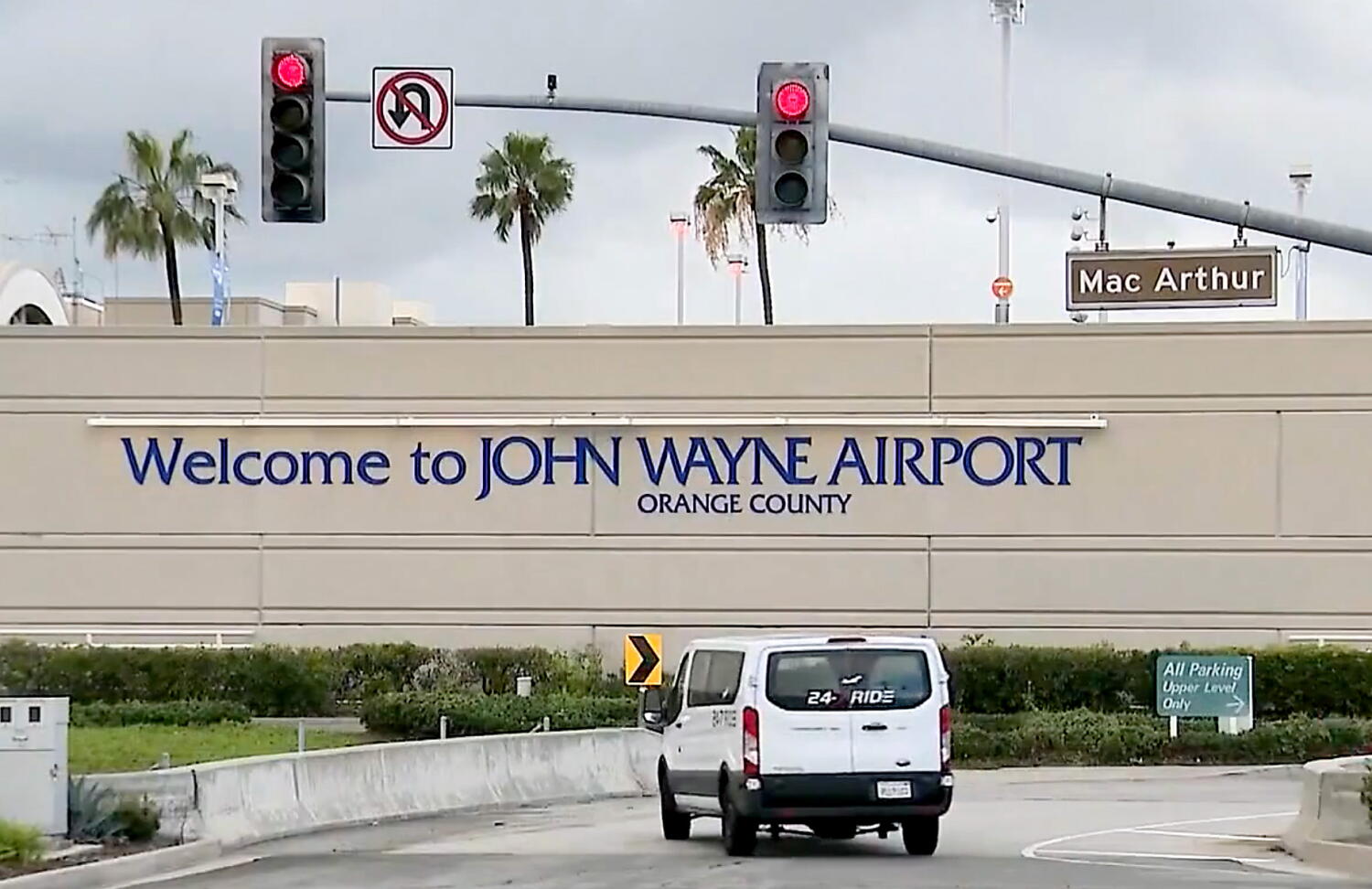
Airfields are massive operational zones. John Wayne Airport, like most domestic hubs, spans sprawling acreage designed to facilitate constant motion. Hundreds of baggage handlers, caterers, maintenance personnel, fuel truck operators, and flight crews move across these tarmac spaces every hour.
To expect a perimeter to remain hermetically sealed without grinding commercial aviation to a complete halt is pure fantasy. When an interloper manages to cross that line, the media treats it as a shocking anomaly. It is not. It is a statistical inevitability in any system that prioritizes throughput and speed over total lockdown.
If you double the fencing, you create a false sense of security. The insider threat and the casual trespasser do not exploit structural defects in chain-link wire; they exploit the predictability of human routines.
Why More Badges and Biometrics Will Not Save Us
The knee-jerk industry reaction to any breach is always the same: add more authentication layers. Badges with smarter chips, facial recognition cameras at every access point, and stricter credentialing.
I have watched organizations spend hundreds of millions of dollars on high-tech access controls while completely ignoring the fact that employees prop doors open with rocks because they are tired of tapping their badges. Technology cannot legislate common sense or fix fatigued staff.
When a passenger walks through an unguarded gap or slips into a restricted zone, they are relying on social camouflage. They walk with purpose. They look like they belong. Security personnel are trained to scan for specific prohibited items in specific bags, not to question the person striding confidently past a service door with a clipboard or an indifferent expression.
The Real Cost of Security Theater
Every time a breach hits the news cycle, regulators respond by layering on regulations that slow down operations for millions of law-abiding travelers while doing nothing to deter determined actors. We trade our time and convenience for a placebo.
The uncomfortable truth is that absolute security does not exist in an open society. The moment you design a transportation hub to move thousands of people efficiently from point A to point B, you accept a baseline level of vulnerability.
Pretending that another layer of bureaucracy or a higher fence will solve this means we refuse to look at the actual mechanics of how people navigate massive infrastructure spaces. Stop treating every breach as an indictment of the gate guards and start treating it as a symptom of a system that values paperwork over operational vigilance.