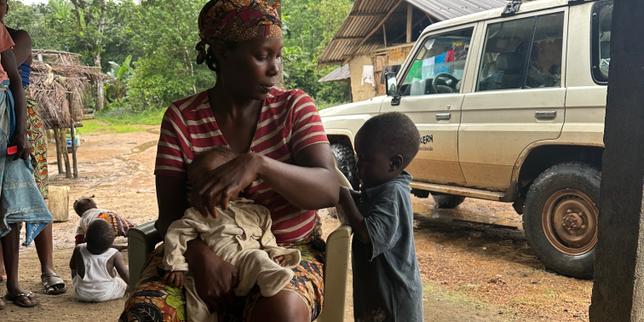
The statistics arrive as dry numbers on diplomatic spreadsheets, but on the ground in Monrovia and the remote reaches of Nimba County, the reality is far more visceral. When international funding streams constrict, the human cost is measured in grams of body weight lost by infants who never had a fighting chance. Following the sudden rollback of American humanitarian aid to Liberia, the nation’s pediatric healthcare infrastructure has buckled under an overwhelming wave of acute malnutrition. This crisis is not an accident of geography or a sudden natural disaster. It is the predictable consequence of a heavy reliance on external patronage meeting a sudden geopolitical withdrawal.
For decades, foreign aid functioned as the quiet backbone of the Liberian health sector. Clinics in rural districts depended on therapeutic ready-to-use therapeutic food packets, foreign-funded vaccination campaigns, and international payroll subsidies for frontline nurses. When Washington shifted its foreign assistance priorities and scaled back bilateral funding for West African nutritional programs, the local state apparatus proved incapable of absorbing the shock. Liberia’s domestic revenue collection remains crippled by structural corruption, post-conflict recovery hurdles, and a narrow tax base. Without an immediate fiscal bridge, the abrupt vacuum exposed a fragile health ecosystem that was entirely dependent on foreign benevolence. Building on this topic, you can also read: Strategic Mechanics of Asymmetric Ballistic Strikes.
The mechanics of this collapse are visible in community clinics where stabilization centers now turn away mothers carrying emaciated toddlers. Severe acute malnutrition destroys an infant's immune system long before starvation claims their life. Common ailments like diarrhea and malaria become fatal when a child’s body lacks the baseline protein and micronutrients required to fight infection. International NGOs that previously managed nutritional stabilization wards have had to downsize operations or shutter facilities entirely due to depleted budgets. The local government’s health ministry issues standard statements of concern, but ministry budgets cannot manufacture specialized pediatric therapeutic milk out of thin air.
Beyond the immediate loss of food aid, the withdrawal triggered a secondary crisis in logistical supply chains. Foreign donors often provided the transport vehicles, fuel allowances, and cold-chain storage necessary to distribute medical supplies from central ports to remote interior clinics. Once the funding evaporated, those trucks sat parked and idle, immobilized by flat tires and empty tanks. A clinic might theoretically possess a warehouse full of nutritional supplements three districts away, but without fuel for transport, that aid remains utterly inaccessible to a mother walking ten miles with a dying baby strapped to her back. Experts at The New York Times have provided expertise on this matter.
Local grassroots organizations and community health workers are attempting to fill the massive void left by international NGOs, yet their resources are fundamentally mismatched against the scale of the emergency. Grassroots mutual aid networks operate on shoestring budgets, relying on community contributions of rice and palm oil that offer calories but lack the critical therapeutic nutrients required to rehabilitate a severely malnourished infant. These local heroes are burning out, working double shifts without pay because abandoning their communities means watching children die on clinic doorsteps.
The structural vulnerability of Liberia's health sector points to a deeper systemic failure in international development models. For generations, donor nations poured capital into short-term emergency interventions rather than building sustainable, tax-funded domestic health systems. When political winds shifted in Washington or European capitals, the projects vanished, leaving behind populations accustomed to foreign dependency rather than sovereign resilience.
Fixing this trajectory requires more than a temporary emergency cash injection from international donors. It demands a reckoning with how foreign assistance is structured, moving away from erratic, politically volatile aid packages toward long-term institutional investment that empowers local governance. Until Liberian tax revenues can independently sustain a basic pediatric health safety net, thousands of children will remain hostages to foreign budgetary cycles, caught in the lethal space between a retreating superpower and a struggling state.



