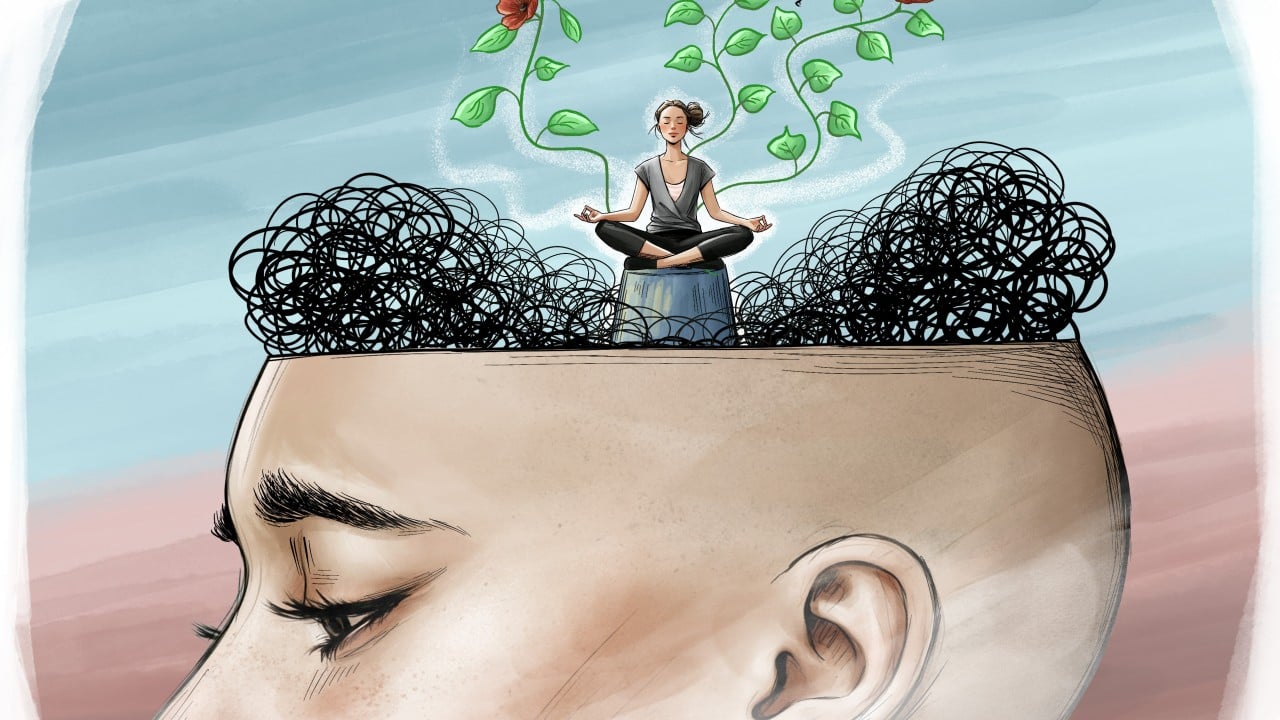
You know the exact minute it happens.
It is usually around three-thirty in the afternoon. The ambient hum of fluorescent office lights or the relentless grain of concrete sidewalk suddenly feels heavier through the soles of your feet. A dull, stubborn ache begins to whisper behind your ankles, traveling slowly up your calves. You look down at your footwear—that pair you bought three years ago because they matched a specific jacket or because they were on clearance—and you realize a bitter truth. They have stopped protecting you. They have surrendered to gravity.
We ask an unreasonable amount of our feet. They carry us through crowded train stations, across sprawling grocery store linoleum, up flights of stairs while we balance a lukewarm coffee and a ringing phone. Yet, for decades, the cultural script for women's shoes offered a cruel ultimatum. You could have style, or you could have comfort. You could look like you had your life together, or you could walk without wincing.
Then something shifted beneath our soles.
The Quiet Revolution of the Cushion
Consider Elena, a thirty-four-year-old graphic designer living in a city that demands miles of walking just to buy a carton of milk. For years, Elena’s closet was a graveyard of pointed flats and rigid loafers. Each morning was a gamble. Would today be the day her heels gave blisters, or would she arrive at her studio looking like she had just rolled out of a hiking tent?
Her turning point arrived on a Tuesday in October. Pouring rain, a train delayed by twenty minutes, and an impromptu client meeting across town. By noon, her feet felt bruised by the pavement. That evening, she did something she had resisted for years. She threw out the painful illusion of corporate polish and bought a pair of thick-soled Hoka recovery shoes.
The change was immediate and slightly disorienting. It felt like walking on soft moss after a lifetime of pacing across marble floors.
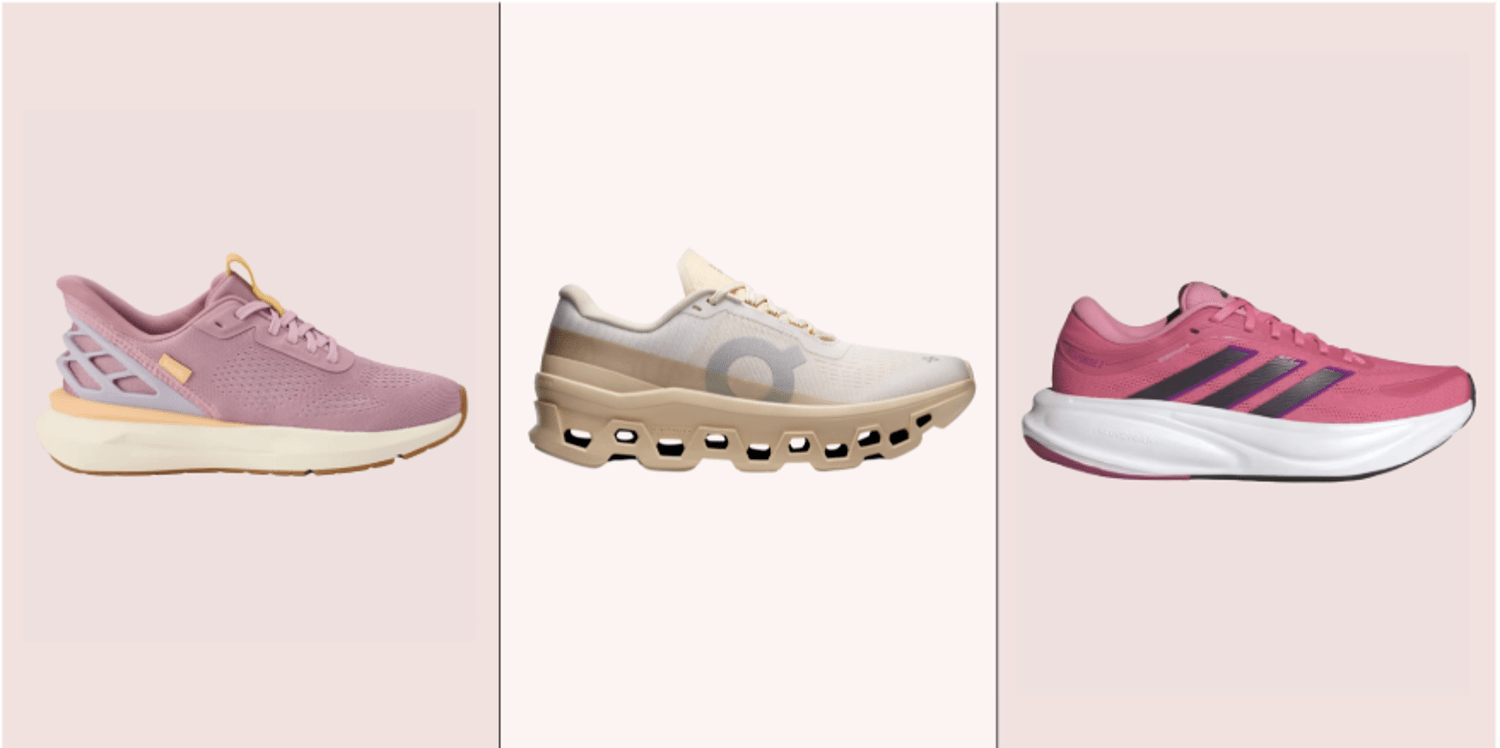
This is not merely a story about comfortable footwear. It is a cultural reckoning. When brands like Hoka, Nike, and On Running began engineering athletic sneakers with oversized, plush foam platforms and anatomical arch support, they were not just targeting marathon runners. They were inadvertently rescuing the everyday commuter, the teacher standing on hard classroom floors for eight hours, and the nurse logging ten miles a shift without sitting down.
When Performance Meets the Sidewalk
For a long time, running shoes lived in a strictly utilitarian box. They belonged on a track, a treadmill, or a dusty trail. Wearing them to brunch or a museum visit was considered a minor fashion transgression—something your grandfather did with white crew socks.
But function eventually bred a new aesthetic. Designers realized that the technology required to absorb the brutal impact of a nine-minute mile—carbon plates, nitrogen-infused foam, molded heel counters—was desperately needed by people simply trying to survive a Tuesday.
Take Nike’s continuous refinement of Air technology or Hoka’s maximalist geometry. These are triumphs of industrial engineering disguised as casual wear. When you slip your foot into a modern performance sneaker, you are standing on decades of biomechanical research. Engineers study the exact pressure points of the human stride, mapping how weight transfers from the heel strike to the explosive push-off of the toes.
When those same innovations are poured into everyday lifestyle sneakers currently seeing massive seasonal markdowns, something remarkable happens. The market corrects itself. Premium footwear, normally locked behind steep price tags that make you wince, suddenly becomes accessible. Up to sixty percent off is not just a clearance event. It is an invitation to reclaim your mobility without emptying your savings account.
The Invisible Cost of Bad Shoes
We rarely connect our mood to our footwear, but the math is undeniable. When your feet hurt, your posture collapses. When your posture collapses, your lower back bears the strain. By five o'clock, that structural fatigue bleeds into your patience, your focus, and your energy.
Pain is a thief. It steals your attention away from the conversation you are having, the street art you are passing, the spontaneous detour you might have taken if your arches were not screaming.
Investing in proper footwear is an act of quiet rebellion against the expectation that discomfort is the price of admission for looking put-together. You do not have to choose between a sleek silhouette and orthopedic sanity anymore. The modern sneaker has bridged that chasm. Clean lines, neutral colorways, and retro profiles now house the exact same shock-absorbing technology that elite athletes use to shatter records.
Walking Forward
The sales will come and go. Inventory will shift, colors will cycle out, and the digital storefronts will update their banners. But the underlying desire remains entirely human. We want to move through our days unburdened. We want to chase trains, explore new neighborhoods, and stand through long afternoons without paying for it in physical agony at night.
Tonight, take a look at the shoes sitting by your front door. Pick them up. Feel their weight. Check if the tread is worn flat, or if the midsole has compressed into a hard, lifeless shell.
You deserve better than the afternoon ache. Step into something that supports the weight of your life, and notice how much farther you can go when the ground beneath you finally feels soft.