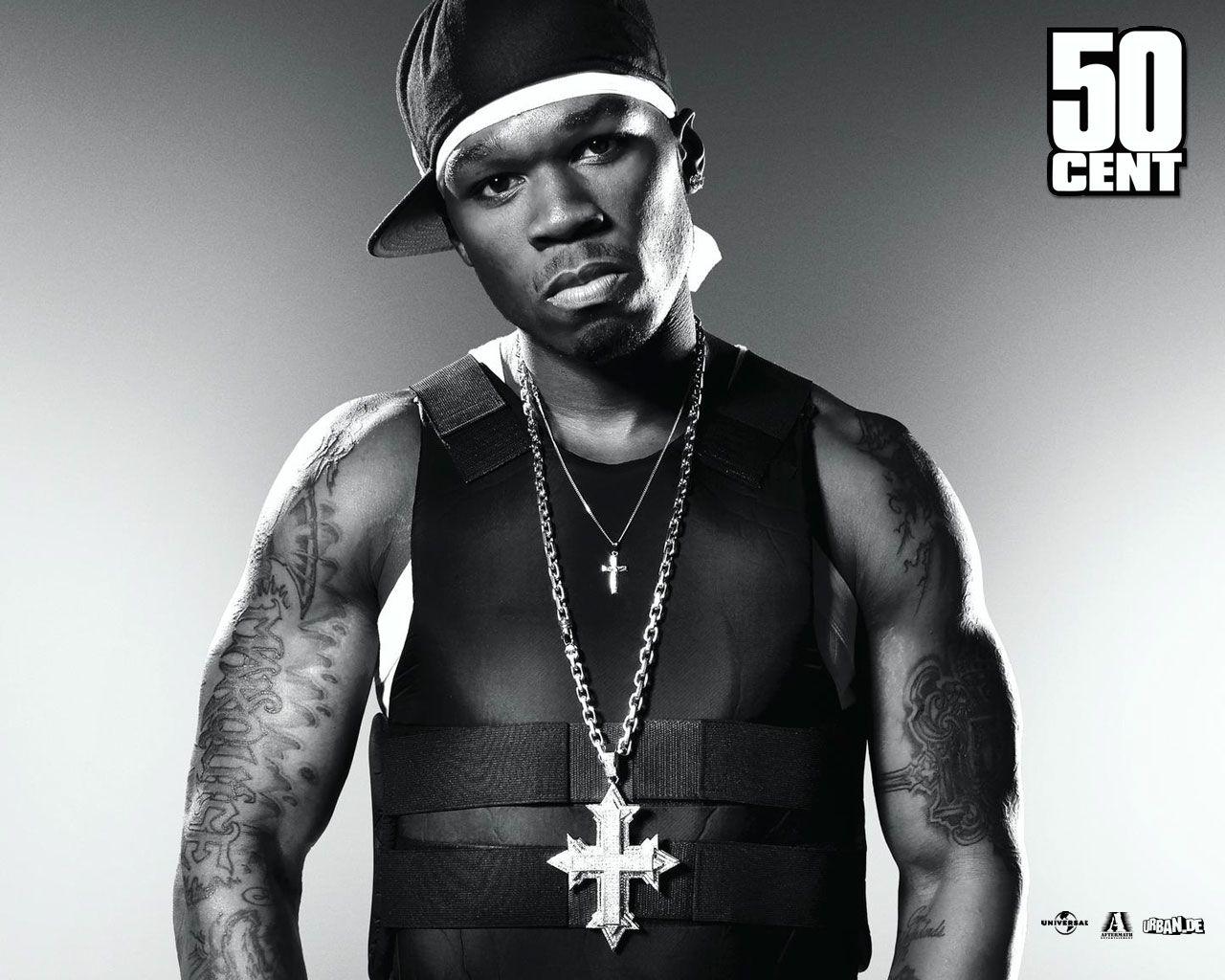
Curtis "50 Cent" Jackson is not buying a hobby; he is purchasing an insurance policy against the shifting sands of the traditional studio system. His recent $124 million commitment to G-Unit Studios in Shreveport, Louisiana, represents one of the largest private investments in the state’s entertainment history. By securing a 30-year lease on the Millennium Studios facility, Jackson is effectively bypasssing the gatekeepers of Los Angeles and New York to build a self-sustaining ecosystem where he owns the dirt, the cameras, and the distribution pipeline.
This move is a calculated response to the soaring costs of production in established hubs. While the headline focuses on the nine-figure price tag, the real story lies in the aggressive tax incentives and the desperate need for geographic diversification in an industry currently paralyzed by contraction. Jackson is betting that the "Hollywood South" movement, which sputtered in previous years due to inconsistent legislative support, is finally ready for a permanent anchor.
The Economic Architecture of the Shreveport Play
Most celebrity ventures into real estate are vanity projects. This is different. The $124 million figure isn't just a pile of cash sitting in a bank; it is a multi-phase deployment aimed at transforming a 150,000-square-foot facility into a global powerhouse. Louisiana offers a motion picture production tax credit that provides up to a 40% check back on local expenditures. For a producer like Jackson, who has spent the last decade building a massive television empire with the Power universe and BMF, the math is simple.
Moving production to Shreveport allows his G-Unit Film & Television division to stretch every dollar nearly twice as far as they could in California.
However, the capital investment serves another purpose. By revitalizing a dormant municipal building, Jackson has secured a deal that includes significant infrastructure upgrades. We are talking about soundstages that can handle high-end CGI requirements and post-production suites that eliminate the need to ship hard drives back to the coast. This isn't just about filming; it’s about the entire lifecycle of a project.
Why Louisiana and Why Now
Louisiana was the first state to implement a modern film tax credit program in 2002, but it has been a roller coaster ever since. Production companies fled when the state placed a cap on redemptions in 2015. So, what changed? The state legislature recently stabilized the program, providing a level of predictability that large-scale investors crave.
Jackson is stepping into a vacuum. While Georgia has dominated the Southern production market for the last five years, it is becoming crowded and expensive. Shreveport offers a lower cost of living for crew members and a city government willing to bend over backward to accommodate a high-profile savior. The city has struggled with economic stagnation; the arrival of a massive production hub provides an immediate injection of high-paying technical jobs that don't require a relocation to a coastal tech hub.
Ownership is the Only Real Power
In the music industry, Jackson was famous for his obsession with "the points"—the percentage of ownership in every deal. He is applying that same ruthless logic to the film world. When you rent a stage at Paramount or Warner Bros., you are an expense. When you own the stage, you are the landlord.
By controlling the physical space, Jackson can:
- Dictate production schedules without competing for stage space with rival studios.
- Lower his overhead by using his own equipment and permanent local staff.
- Host outside productions, turning his studio into a secondary revenue stream when his own projects are in hiatus.
This is the Tyler Perry model, adapted for the mid-South. Perry proved that if you build a massive enough footprint in a tax-friendly state, the industry will eventually have to come to you.
The Infrastructure Gap
There is a significant hurdle that the "invested $124 million" headlines often skip. Building a studio is easy; building a workforce is hard. Louisiana has a decent base of below-the-line talent—grips, electrics, and camera assistants—but many of the best workers left for Atlanta or Albuquerque during the lean years.
Jackson’s investment includes a commitment to workforce development. Without a local pipeline of trained technicians, he will be forced to "import" talent from out of state, which eats into the tax credits and increases travel and housing costs. The success of G-Unit Studios depends entirely on whether he can convince the next generation of Shreveport locals that a career in film is a viable, long-term path rather than a seasonal gig.
Beyond the Screen
The ripple effects of a $124 million investment go far beyond the studio gates. Large-scale film production is a stimulus package for small businesses. Catering companies, construction firms, dry cleaners, and local hotels all see an immediate uptick in revenue when a series goes into production.
Shreveport Mayor Tom Arceneaux has been vocal about the "revitalization" aspect of this deal. The city isn't just looking for a celebrity endorsement; they are looking for a structural change in their local economy. The 30-year lease agreement suggests that Jackson is looking for more than a quick tax break. He is looking to build a legacy that mirrors the industrial giants of the early 20th century, where the company and the town grew in tandem.
The Risk of Over-Saturation
The danger in this strategy is the volatility of state politics. Film incentives are often the first thing on the chopping block when a state faces a budget deficit. If Louisiana lawmakers decide to gut the tax credit program in five years, Jackson could find himself holding the keys to a very expensive, very empty warehouse in a city that can't support it.
Furthermore, the streaming wars are cooling. The era of "peak TV," where platforms spent billions on any content they could find, is over. Netflix, Disney+, and Max are all tightening their belts. A new studio needs a constant flow of projects to stay profitable. Jackson has enough personal momentum to keep the lights on for now, but the long-term viability of a $124 million facility requires a steady stream of third-party rentals.
The Blueprint for Modern Media Moguls
The days of a creator being content with a "first-look" deal at a major network are dying. Modern moguls want vertical integration. They want to own the intellectual property, the production facility, and if possible, the platform it airs on.
Jackson’s move into Shreveport is a signal to the rest of the industry. It says that the center of gravity is moving away from the traditional hubs and toward whoever can offer the most efficient path to a finished product. If you can provide a top-tier stage, a trained crew, and a 40% discount on the budget, it doesn't matter if you're in Hollywood or the Bayou.
This investment is an aggressive play for independence. In an industry where "creative differences" and "budgetary concerns" are often used as weapons by executives to control artists, Jackson is removing the weapons from their hands. He is building his own fortress, and he’s doing it with the kind of financial precision that made him a billionaire in the first place.
Check the current legislative filings for Louisiana's upcoming fiscal session; that will tell you more about the future of G-Unit Studios than any press release ever could. If the tax credits hold, Shreveport might just become the most important city in the future of independent television.