The midterms just happened. The pundits are already writing the 2028 obituary for half the country.
They are looking at the wrong scoreboard. Recently making waves in related news: Unmanned Aerial Strikes on Civilian Spaces A Structural Breakdown.
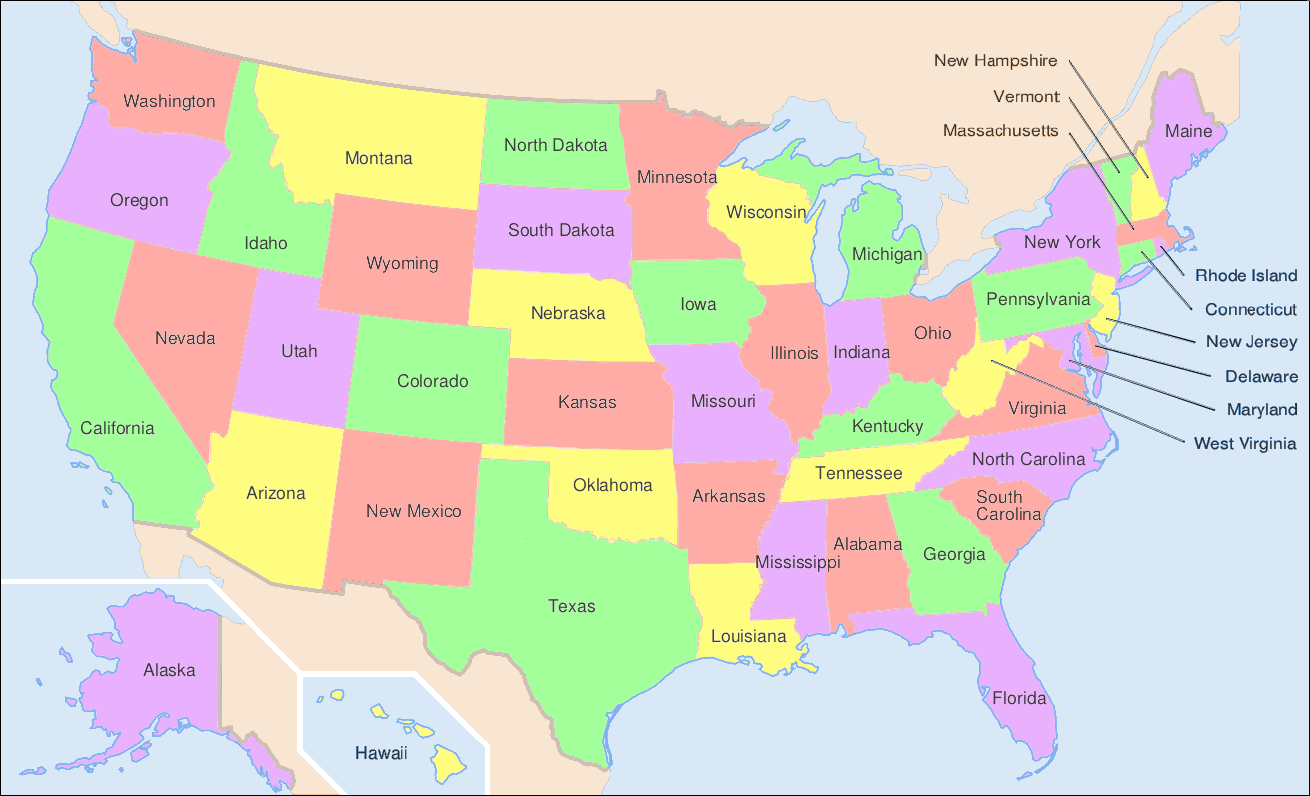
Every election cycle, the same lazy consensus rolls off the assembly line. A wave hits, control of Congress flips, six governorships change hands, and suddenly every desk jockey in Washington claims they have cracked the code for the next presidential race. Democrats flipped the House, took back the Senate with a net gain of nine seats, and pushed their gubernatorial count to thirty. Voters punished affordability strain, tariff fallout, and foreign entanglement.
Case closed, right? Not even close. More information on this are covered by Associated Press.
Using a midterm wave as a crystal ball for a presidential general election is one of the costliest habits in modern politics. I have watched campaigns burn tens of millions of dollars chasing "inevitable" 2028 momentum that evaporated the moment summer turnout models met a polarized presidential electorate. Midterm voters are not presidential voters. Midterms reward anger, punish incumbents, and elevate low-propensity or issue-specific coalitions that look very different two years later when the top of the ticket changes everything.
Stop Asking Who Won the Midterms. Ask What Actually Moves.
People keep asking the wrong question. They want to know which candidate just locked up the 2028 nomination or which party holds the upper hand two Novembers from now.
The real question is structural: Which coalitions proved durable in high-cost, low-salience races, and which gains came purely from a temporary backlash against governing friction?
Let us strip away the hype around a few familiar questions.
- "Does a sweep in Congress and governors' mansions mean 2028 is already decided?" No. Midterm waves measure thermostatic voter frustration more than permanent ideological realignment. A massive House or Senate swing tells you voters wanted a check on the White House today; it does not hand either party a blank check in a presidential year when turnout surges and base mobilization shifts.
- "Do Senate and governor flips in red states prove the map has permanently turned blue?" Flipping seats in states like Texas, Ohio, Iowa, Alaska, or Georgia looks seismic on a map. Yet candidate quality, scandal fatigue, open-seat dynamics, and ticket-splitting do heavy lifting in off-year contests. Treat every surprise flip as a stress test of candidate appeal, not a permanent border change.
- "Will a congressional majority translate into sweeping 2028 policy wins?" Divided government rarely produces grand legislative triumphs. It produces subpoenas, funding standoffs, and gridlock. Overpromising bold policy delivery while governing through short-term spending patches can backfire fast if voters blame gridlock for stalled relief.
The Mechanics Nobody on Cable News Wants to Explain
To understand how November shapes 2028, you have to separate thermodynamic backlash from coalition durability.
Political scientists like Morris Fiorina have long documented thermostatic public opinion—voters push back against whichever party holds concentrated power when prices pinch or policy feels chaotic. In 2026, pocketbook pressure, tariff friction, and foreign conflict dragged down the party defending the White House. That mechanic is real and verifiable across decades of U.S. midterms.
What pundits miss is the shelf life of that backlash. Midterm electorates skew older and more attentive to immediate grievances, whereas presidential electorates pull in millions of irregular voters driven by broad national identity, economic mood, and the specific personalities at the top of the ticket.
Consider a thought experiment to test this divide. Imagine a scenario where a wave election hands one party a decisive House and Senate edge in November, while inflation cools by mid-2027 and the opposing party nominates a disciplined outsider who campaigns relentlessly on future growth rather than past grievances. Under that shift, the exact economic pain that fueled the midterm protest shrinks, leaving the midterm winners defending an angry, impatient coalition that is much harder to hold together when turnout expands.
Another trap is confusing candidate-specific breakthroughs with party-wide momentum. When a crossover candidate wins a tough race—whether through local brand strength, faith-forward messaging, or capitalizing on an opponent's ethical baggage—operatives love to bottle that lightning and sell it as a universal template. Usually, that bottle leaks. A message that works in one state's political ecosystem often falls flat in a rust-belt battleground or a suburban swing district.
And do not ignore the governing trap. Winning control of Congress gives a party subpoena power and a louder megaphone, not magic wand authority over the executive branch. If lawmakers spend two years fighting endless procedural battles instead of delivering tangible cost-of-living relief, swing voters penalize both sides—and the party holding the gavel often takes the sharper blame for dysfunction.
Where My Contrarian Take Can Burn You
I am not claiming the midterms do not matter. Pretending a wave election is meaningless is just a lazy contrarian pose in the opposite direction.
Midterms reshape state-level power, donor networks, and bench strength—all of which carry real weight into 2028. Governors control state administration, election mechanics, and national media profiles. Freshly elected senators and representatives build fundraising lists and national visibility early.
There is also a genuine downside to fading midterm momentum too aggressively. If a campaign ignores real warning signs in suburban or working-class precincts because it assumes "2028 will be different," it can walk straight into a buzzsaw. Trends that start as a whisper in a midterm often turn into a roar two years later if the underlying grievances go unsolved.
What Smart Operatives Actually Do Next
If you are building strategy, allocating capital, or simply trying to read the board without getting snowed by spin, stop trading headlines and start tracking fundamentals.
- Audit durability over raw margins. Look past headline seat counts and examine margin shifts in recurring battleground counties. A narrow win in a place you usually lose tells you more than a blowout in a safe seat.
- Watch governing discipline from day one. Track whether the new congressional majority focuses on concrete cost relief or gets bogged down in endless brinkmanship that alienates persuadable voters.
- Separate governors from presidential proxies. A strong gubernatorial win builds a party's operational base, but executive success in a state does not automatically transfer to a national presidential map.
- Test messages against pocketbook and security stress. Any 2028 pitch that ignores household costs, trade impacts, or global stability is building on sand.
Midterms don't hand out the 2028 crown—they just hand out the audition tape.