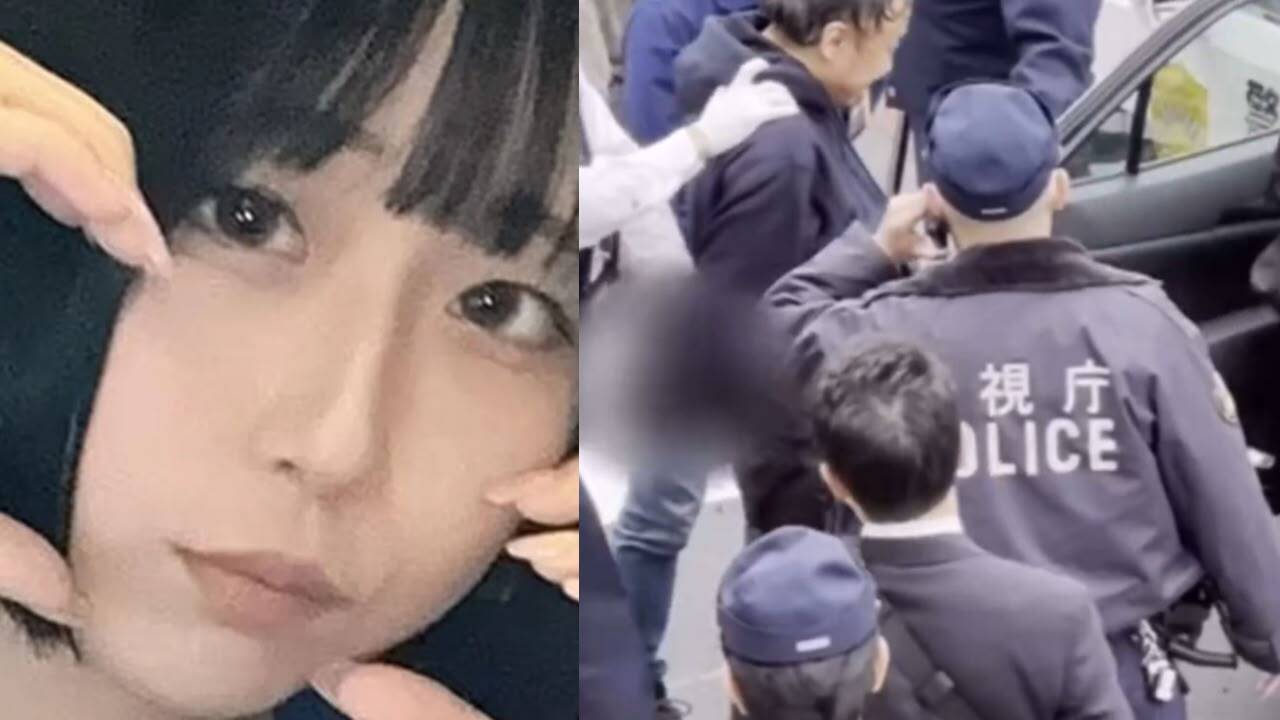
On March 11, 2025, more than 6,000 people tuned into the Japanese streaming platform WhoWatch to view a routine, "in real life" (IRL) broadcast. They watched 22-year-old Airi Sato walk through the busy streets of Takadanobaba in Shinjuku, Tokyo. Suddenly, the screen filled with chaos. Screams of "Help!" echoed through the speakers before the feed went black, replaced by the distant, chilling wails of emergency sirens.
Sato had just been brutally attacked with a survival knife.
On July 15, 2026, the Tokyo District Court handed down a 16-year prison sentence to her killer, 44-year-old Kenichi Takano. While the judicial system considers this case resolved, the public reaction is anything but settled. Many believe 16 years is a shockingly light punishment for an act of calculated, public savagery that was broadcast to thousands of horrified onlookers.
The details of the case expose a dark, modern reality of parasocial relationships, digital stalking, and the terrifying vulnerability of online creators.
The Fatal App Tracking and a One-Minute Attack
Takano didn't stumble upon Sato by accident. He planned the attack methodically.
A resident of Tochigi Prefecture, Takano had been following Sato's streams since 2022. He actively tracked her schedule. On the morning of March 11, 2025, after seeing her stream schedule, he boarded a train to Tokyo, carrying a survival knife. By monitoring her live feed in real-time, he pinned down her exact physical location in Takadanobaba.
When he found her, the violence was instant and overwhelming. Within a span of just 60 seconds, Takano stabbed Sato 55 times. He targeted her face, neck, and chest with relentless force.
Even more disturbing than the initial onslaught was his behavior immediately afterward. As Sato lay dying, Takano pulled out his own phone. He recorded her blood-drenched face, kicked her head, and muttered to himself, "She still moves" and "Is she dead?" This calculated degradation of her dignity in her final moments became a central point of condemnation during the trial.
The Defense of a Financial Dispute
During the lay-judge trial, Takano's defense team attempted to shift the narrative toward a financial dispute. They painted him as a desperate victim of financial exploitation.
According to court records, Takano spent approximately 2.4 million yen ($14,800) supporting Sato's streaming career by purchasing virtual gifts on the app and visiting her at a hostess bar where she worked part-time. He also claimed to have directly lent her an additional 2.55 million yen from his savings and borrowed funds.
When Sato failed to repay the money, Takano filed a civil lawsuit against her. Facing severe financial hardship and feeling utterly deceived, his lawyers argued that he felt pushed to the brink of suicide. They argued his mental desperation warranted a lighter, nine-year sentence.
The prosecution, pointing to the extreme brutality of the 55 stab wounds and the post-attack filming, argued that no financial grievance could justify such a horrific act. They demanded a 20-year sentence.
Why the 16-Year Verdict Feels Insufficient
Ultimately, Presiding Judge Shunichi Ido sided with the prosecution on the intent to kill, noting that stabbing a defenseless person dozens of times leaves no doubt about the perpetrator's goal. The court acknowledged the financial dispute but explicitly ruled that it did not excuse or mitigate the murder.
Yet, the court sentenced Takano to only 16 years—four years less than what prosecutors wanted.
This gap highlights a persistent frustration with how modern, digitally enabled crimes are treated under traditional legal frameworks. Takano utilized the victim's stream as a tracking device, essentially weaponizing her career against her. He then violated her dignity on a public platform in front of thousands of witnesses. To many observers, a 16-year term fails to reflect the gravity of this premeditated, highly public execution.
The Broader Danger for Online Creators
This tragedy isn't an isolated incident; it's part of a growing, dangerous trend where online parasocial bonds turn violent.
In Japan, the rise of "Chika Idols" (underground idols) and IRL streamers has created an environment where creators must stay highly accessible to maintain their livelihoods. Fans buy virtual items, pay for direct interactions, and often develop a false sense of ownership over the creator's life. When these fans realize that the intimacy is purely transactional, resentment can turn deadly.
For creators who stream in public spaces, the safety risks are incredibly high. Modern smartphone cameras, ambient street noises, and recognizable landmarks make it surprisingly easy for a dedicated stalker to pinpoint a streamer's location within minutes—just as Takano did.
If you're an active streamer or content creator, you should take immediate, concrete steps to protect your physical safety:
- Implement a Stream Delay: Use a broadcast delay of at least 3 to 5 minutes. This prevents bad actors from showing up at your exact location in real-time.
- Obfuscate Your Surroundings: Avoid starting your stream directly outside your home, workplace, or frequent spots. Frame your camera tightly to hide distinctive street signs or unique local architecture.
- Avoid Fixed Schedules for Outdoor Streams: Never announce the exact times and routes of your outdoor streams in advance. Keep your public broadcasts spontaneous and vary your locations constantly.
- Establish a Buddy System: If you're doing IRL streaming in public, don't go alone. Have a friend or colleague accompany you to keep an eye on your physical surroundings while you focus on the camera and chat.